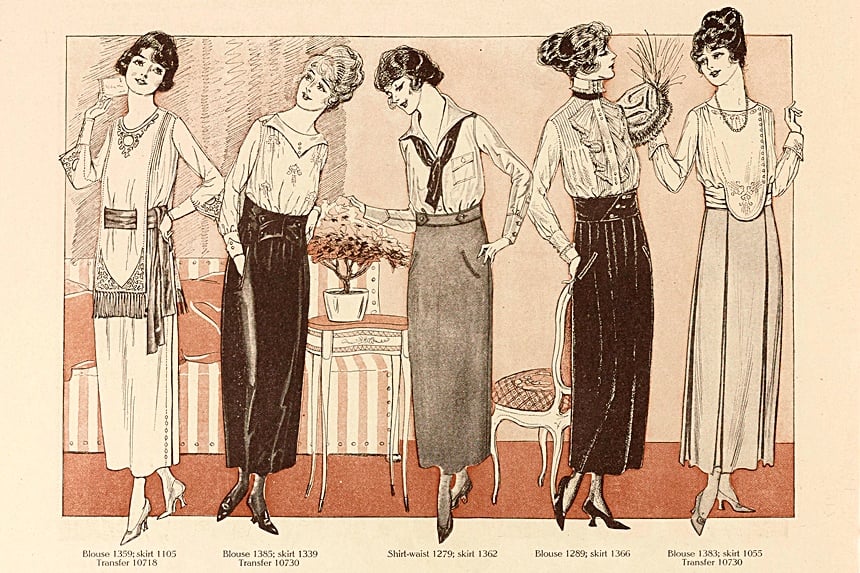
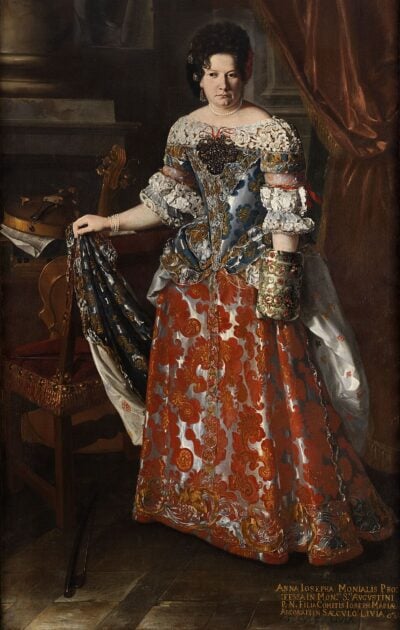
Among the small joys that makes a shopping spree for a dress a success is discovering that it has pockets. Still a rare occurrence in womenswear, especially when it comes to dresses and formal eveningwear, pockets — both visible and invisible — are sure to upgrade any outfit.
While pants have long been seen as a symbol of male power, it is more commonly the modest pocket that distinguishes a man’s garment from a woman’s. Pockets in menswear are far more prevalent, deeper, more functional, and often visible.
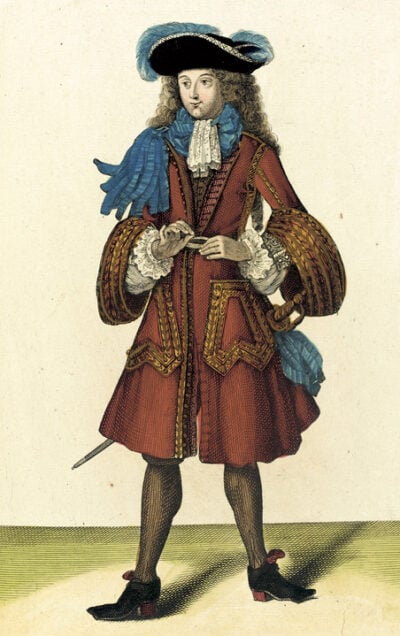
The masculine association of pockets was not inevitable. During the 15th century, both men and women carried their belongings in small detachable satchels suspended from their belts. Serving as both practical and fashionable articles of clothing, detachable pockets had an “in between” status of being neither a garment nor an accessory, sometimes underwear, sometimes outerwear, which enable them to cross both gender and class.
However, by the 17th century, with the changing fashions and the rise of the suit, these detachable outer pockets became incorporated into men’s clothes, turning into an internal, and often private element of them. In contrast, women’s clothes became more decorative and less functional as their detachable pockets turned into handbags. As men began to enjoy sewn-in pockets in their garments, they also benefited from the freedom that their privacy granted them. Men did not only enjoy multiple pockets in their outfits but also the new market for accessories designed for them. With a pocket watch, a pocketbook, a pocketknife, and even a pocket pistol, men could claim unprecedented independence and resourcefulness.
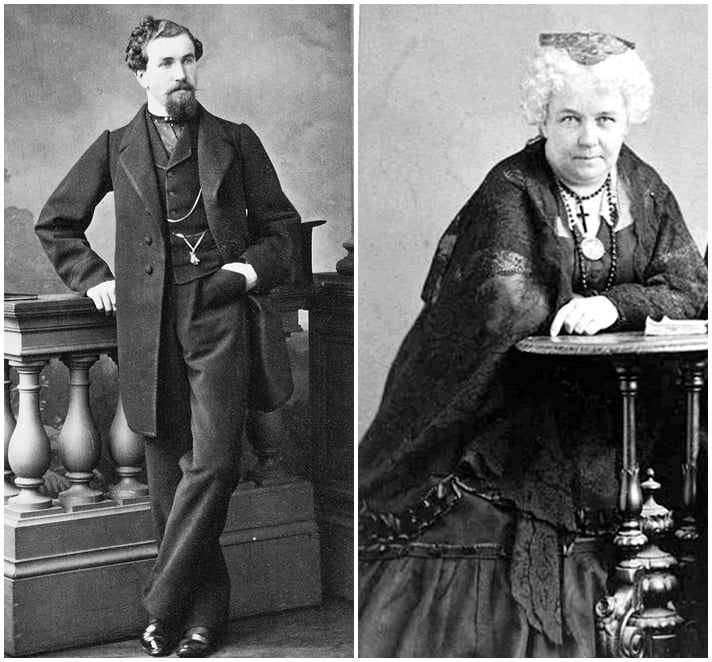
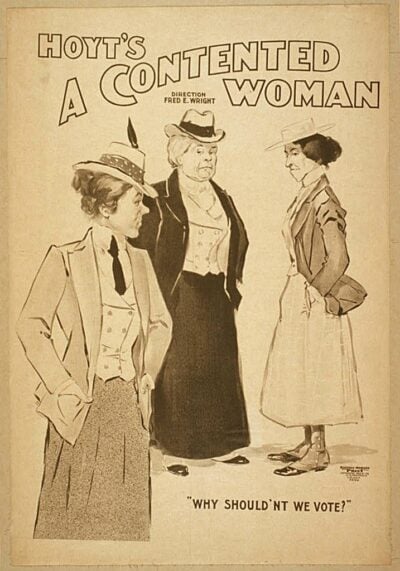
As pockets attained a clear gender association with men, they carried with them more than just functional meanings. Women were well aware of the advantages that pockets provided men, not only in terms of fashion but also in terms of politics. “Until woman consents to have as many pockets as man . . . her acquisition of political quality and the right of suffrage will amount to nothing,” argued an article in the Baltimore Sun. A person’s clothes were seen as a reflection of their fitness for citizenship, and pockets were a marker of rationality, efficiency, and independence — qualities that were deemed necessary for voting and that women’s clothes lacked.
Indeed, suffragist Elizabeth Cady Stanton lamented the sight of “an educated woman wearing a dress that is destitute of a pocket!,” seeing the lack of pockets as a hindrance to women’s progress.
By the early twentieth century, pockets became synonymous with the demand for woman’s suffrage. In 1910, the American Ladies Tailors’ Association introduced a “suffragette suit” that included a bifurcated skirt and seven or eight pockets, “all in sight and all easy to find.” Suffragists wholeheartedly adopted the style, seeing it as a sartorial feminist statement. The association of pockets with suffragists’ agitation for the vote became so prevalent that every outfit that contained multiple and visible pockets was deemed as a “suffragist costume.”
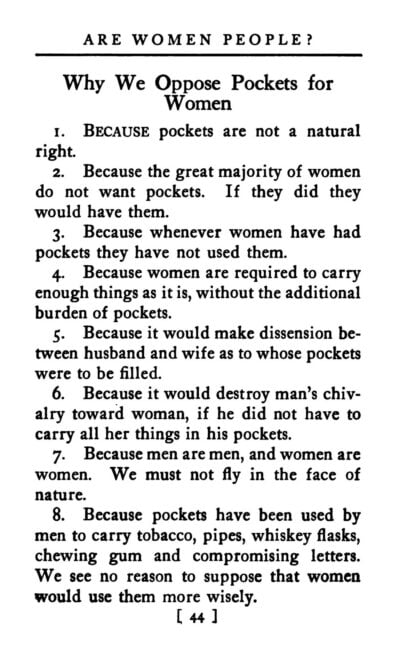
In her 1914 column “Are Women People?,” the suffragist Alice Duer Miller published a short piece titled “Why We Oppose Pockets for Women.” In it, Miller mockingly detailed anti-suffragist arguments, substituting the word “vote” in “pockets” in order to show the absurdity of depriving women of their rights. Despite her sarcastic tone, Miller acknowledged that both “pockets” and “votes” had the potential to enable an independent and mobile lifestyle, connecting sartorial freedom to political demands.
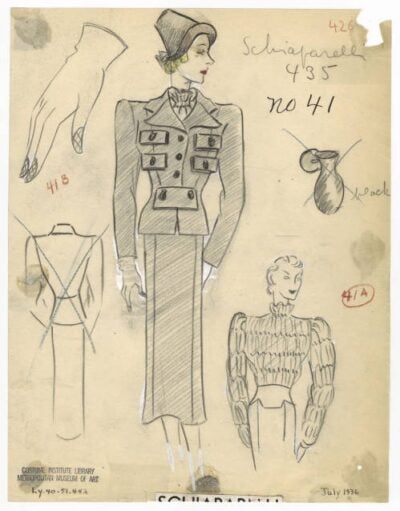
By the mid-20th century, women designers including Elsa Schiaparelli, Clare McCardell, and Bonnie Cashin introduced pockets to their designs, arguing for women’s entitlement to that freedom. “I hardly ever make a skirt without pockets,” confessed McCardell. “Because I noticed men always look so happy with their hand in their pockets. So I thought, ‘why shouldn’t women have pockets too?’”
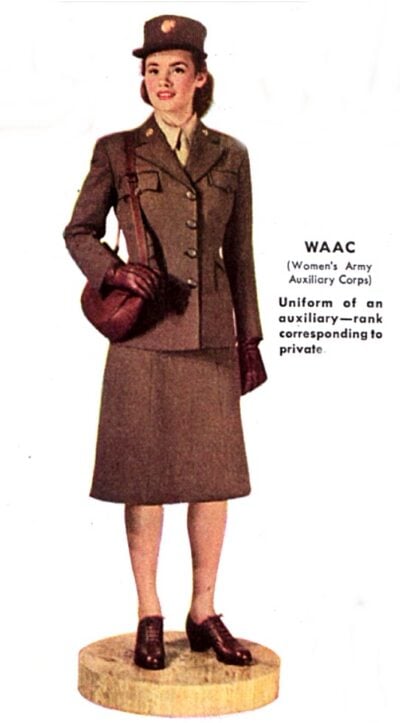
Yet even as women gained more presence in the workforce and the civic realm, pockets continued to be an issue. The WAC uniforms, despite their aim of providing women with functional clothing, only contained faux breast pocket flaps, requiring the soldiers to carry with them a mandated leather purse.
Things did not improve much with the unisex revolution of the 1970s and the mainstreaming of pants for women. While wearing a pantsuit is no longer a radical fashion move for women, their outfits rarely include sewn-in pockets. A 2018 study found that even with blue jeans, women’s pockets tend to be less useful than men’s.
Just like in the early 20th century, the feminist demand for pockets remains as relevant as ever, especially as women continue to break barriers and challenge traditions. While pants for women are often seen as a bold feminist statement, it is a garment with pockets that really conveys a pointed message. With more celebrities and prominent women claiming their rights to pockets, there is hope that the fashion industry will heed the call and start making them for the rest of us.
Become a Saturday Evening Post member and enjoy unlimited access. Subscribe now


_Portrait_Anan_Josepha_Monialis.jpg)
.jpg)
Comments
I am now into my 80’s, which is a surprise to me , but, I have yet to understand , why men design women’s clothes and women wear them without much complaint.
Why ?
Similarly, shoes uses 15-inch easevestrough/gutter nails to prop up the heel of the shoe, and, in one era, the shoe was pointed crushing toes, and, we successfully campaigned against the Chinese horrid practice of “bound feet”.
Chinese women no longer go about with their feet bound cruelly, but, wear equally wear idiotic shoes that some man has thought they should wear.
Sorry, I just don’t get it.
I conceded that most wear is much better than a grain and/or flour sack to wear.
Still.
Fun article-cannot imagine where the lady who’s never had pockets lives..LOL As a teacher I LOOKED for skirts and dresses with pockets and was thrilled to find them!
My wife buys her sweatpants on style rather than functionality then complains when they don’t have pockets. Go figure.
I never owned a skirt or a dress with pockets.
I’m thinking this whole article is fiction.
Interesting article Einav, even to a dumb guy like myself on women’s fashion. It never occurred to me women’s pants wouldn’t have had pockets in them for as long (or almost as long) as pants for women have been produced. To me that would have a selling point early on, but apparently not, and evidently still persists as a problem even now.
I couldn’t access several of the links, unfortunately, but found the 1914 feature “Why We Oppose Pockets For Women” by Alice Duer Miller to be both serious and outrageous. For the time though, probably the former. On the first 3, not sure where she got her facts from. #4 seems to contradict itself. #5, not sure what to make of it. #6. Unless I’m waay off, men are not that chivalrous. Getting down to the nitty-gritty, the only thing he’d want to carry of hers in his pocket would be her money!
#7. This was 1914, so we have to give it a pass. #8. I don’t think too many men carried all those things in their pockets all at the same time, but a good sampling of what they could. Alice didn’t feel women would be wiser in their choices. I disagree, feeling women (overall) would carry more useful and necessary items. Reading here to the present day, garments with pockets for women shouldn’t have to be seen as a feminist statement, but as practical progress for everyday living; be it pants, or a dress for whatever occasion.