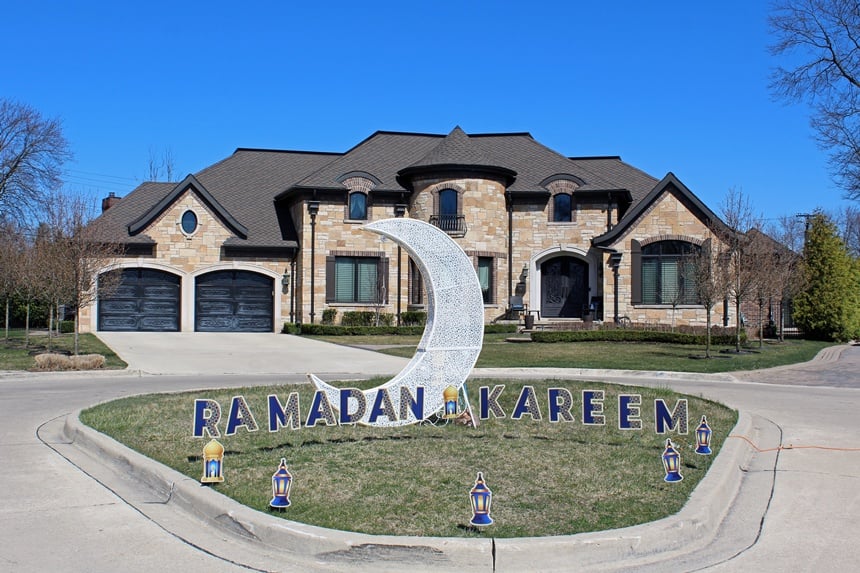
The United States is home to approximately 4.5 million Muslims, and just like the remaining 2 billion around the globe, American Muslims take part in the Ramadan fast, which lasts approximately a month (this year, it runs from February 17 to March 19). This article explains how Ramadan works, and the significance and traditions behind this religious observance.
How It Works
Following the lunar calendar, Ramadan lasts for either 29 or 30 days each year and starts 10 days earlier than the Ramadan that precedes it. In a four-season region, a Muslim can witness Ramadan during peak summer heatwaves, icy January blizzards, crisp autumn mornings, and sunny spring afternoons within their lifetime. During this month, Muslims are required to fast from sunrise to sunset. Not even water? No, not even water. Exceptions are made for those who have health problems, are pregnant, traveling, or elderly.
Ramadan ends with Eid al-Fitr, the festival of the breaking of the fast, or put simply, the “breakfast” festival.
The Religious Significance
Ramadan marks when the Qur’an, the Islamic holy book, was sent down from God to Prophet Muhammad through the Angel Gabriel.
During this month, Muslims are encouraged to reflect on their spirituality, focusing on bettering themselves and setting personal goals. Many set resolutions to end bad habits, like smoking or gossiping and replace them with good ones, like praying on time or volunteering. Throughout the month it’s common to find people preparing meals for the community or setting up food pantries.
While Ramadan days are spent focusing on the fast, Ramadan nights are spent in Taraweeh, which are prayers that can only be observed during this month. This year, hundreds gathered in New York’s Times Square for its fifth annual public prayer.
Ramadan: An American Holiday?
While Ramadan hasn’t exactly taken center stage when it comes to American tradition, it is practiced by millions in the country. It is recognized by dozens of school districts, and many public celebrations take place, like those for the Chinese lunar new year, Easter, or Kwanzaa.
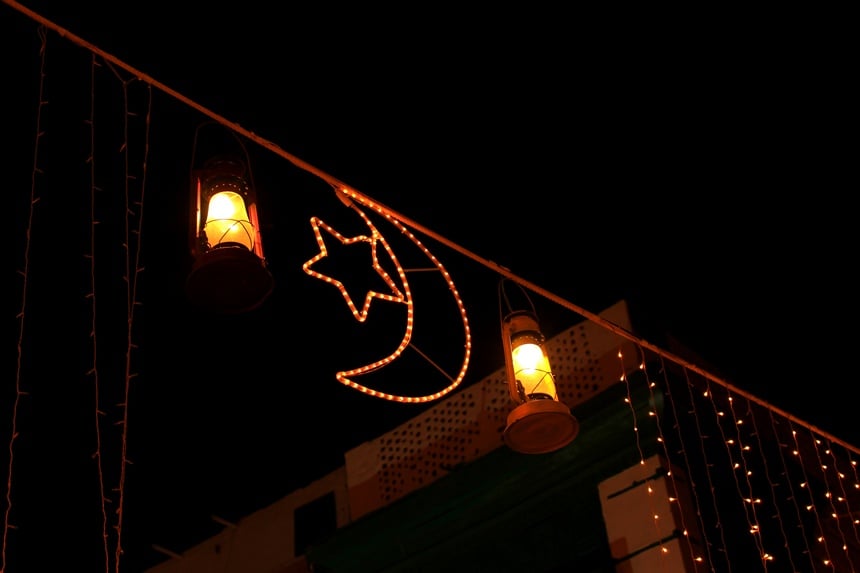
In many neighborhoods across the U.S., Muslims decorate their homes in a Christmas-like fashion. Rather than a tree and stockings, Muslims hang crescent moons and twinkling stars. While Ramadan decorating is relatively new in the United States, it has been a tradition in Muslim-majority countries for centuries. For example, the Egyptian Fanous, or lantern, is used to decorate streets and marketplaces around the Arab world, and can be spotted around the U.S today in neighborhoods with dense Arab populations.
Despite its seemingly recent arrival, the very first Ramadan observances likely occurred in the 17th or 18th centuries in North America, as many early enslaved people were Muslims.
Today, the White House recognizes Ramadan and holds iftar, the sunset meal, each year. Records show that Thomas Jefferson was the first American president to observe the fast himself.
Tradition
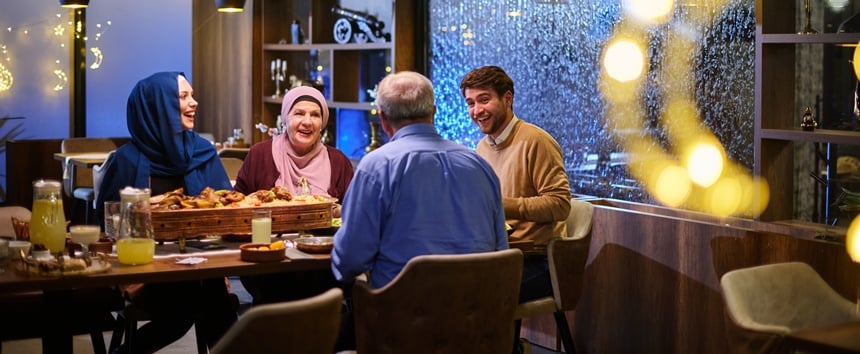
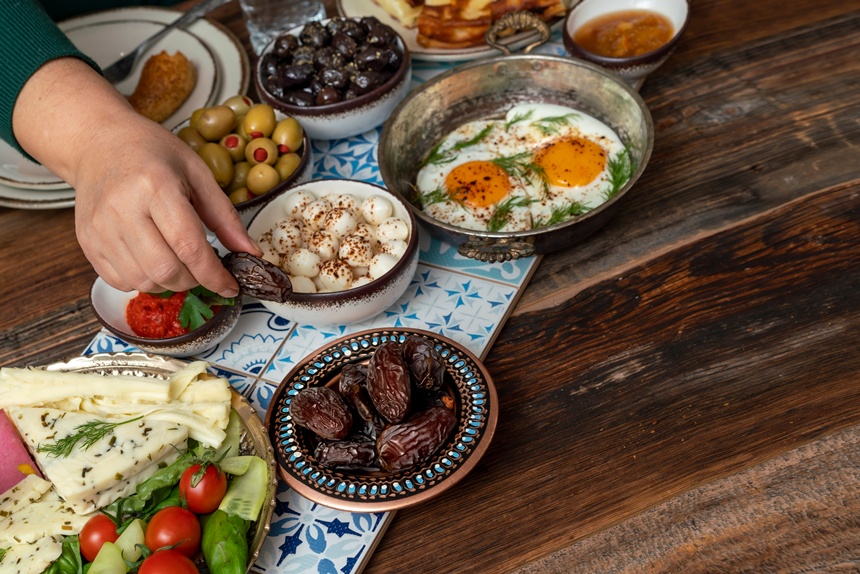
While tradition varies from country to country, there are shared experiences that transcend borders. For example, most break the daily fast with dates, following Prophet Muhammad’s example. In addition to the evening iftar, Muslims also indulge in suhoor, the predawn meal that resembles breakfast.
While fasting takes up Ramadan days, markets and gatherings make up nights. Bazaars and community iftars are often organized to bring people together during the evening hours. For example, in Queens, New York, the Ramadan Night Market will be returning for its third year. In Dearborn, MI, a neighborhood establishment called The Canteen, will transform its space into a “Ramadan Village” where local businesses can become vendors during the night. Muslims also welcome the holy month with songs, which also vary depending on the region.
Since the essence of Ramadan is experiencing the fast, non-Muslims can take part by simply fasting themselves. In fact, many Middle Eastern countries have significant Christian populations, and it’s relatively common to find Christians fasting throughout the month and taking part in the evening meal with their Muslim neighbors. In the United States, many communities host interfaith iftars, especially at universities, mosques, churches, and even within local government.
Become a Saturday Evening Post member and enjoy unlimited access. Subscribe now