
When it comes to warm and fuzzy critters like dogs and cats — the number one and two most popular pets, respectively — it’s natural for us to develop warm and fuzzy feelings toward them. This is because when we pet and snuggle with animals, even small ones like bunnies and gerbils, it elicits a rush of oxytocin, a natural hormone associated with feeling secure and content. Sometimes called the “cuddle chemical,” it is also released when parents hold their newborn child and when romantic partners spend quality time together.

I have a theory that there may be a limit to this oxytocin effect, and it’s based on legs. Well, really it’s a hypothesis, as a theory is entirely fact-based, like the theories of gravity and evolution, but when I say “hypothesis” I sound like Daffy Duck. So this conjecture isn’t about whether legs are beautiful. Beauty is in the eye of the beholder anyway, even though “best legs” contests, mostly for women but now also for the guys, go back decades.
Million Dollar Legs competition, 1968 (Uploaded to YouTube by British Pathé)
Curiously, one such contest was called “Million Dollar Legs,” which kind of relates to my theory that cuteness may depend on leg count. Most pets are four-legged, while birds have two, and fish (outside of sea robins and a few others) have zero – all acceptable numbers. But I think that most people’s warm and fuzzy feelings toward animals would evaporate pretty fast if they were asked to cuddle with a critter having over a thousand legs. The exception might be entomologists and a few nature-nerds like me. Let’s delve into my leg hypothesis.
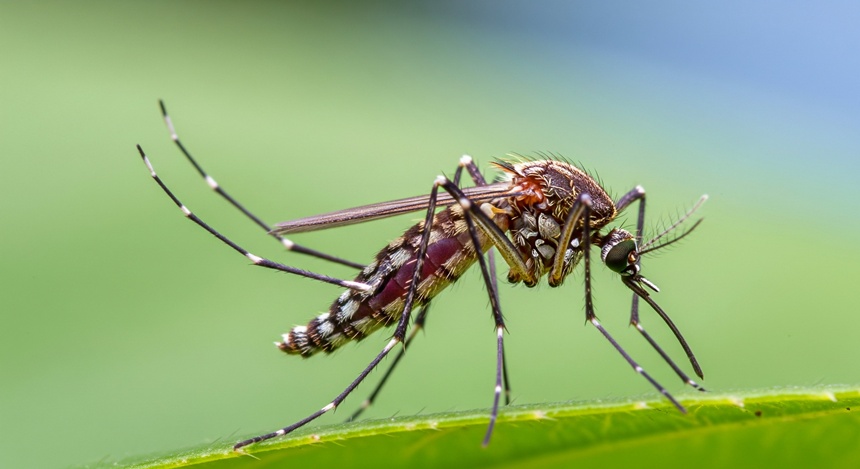
Insects, which have “only” six legs, don’t usually register on the cute index. I mean it’s rare for folks to get doe-eyed over a mosquito, yellow jacket, or cucumber beetle. On the whole, though, insects are nowhere near as creepy as eight-legged beasties.
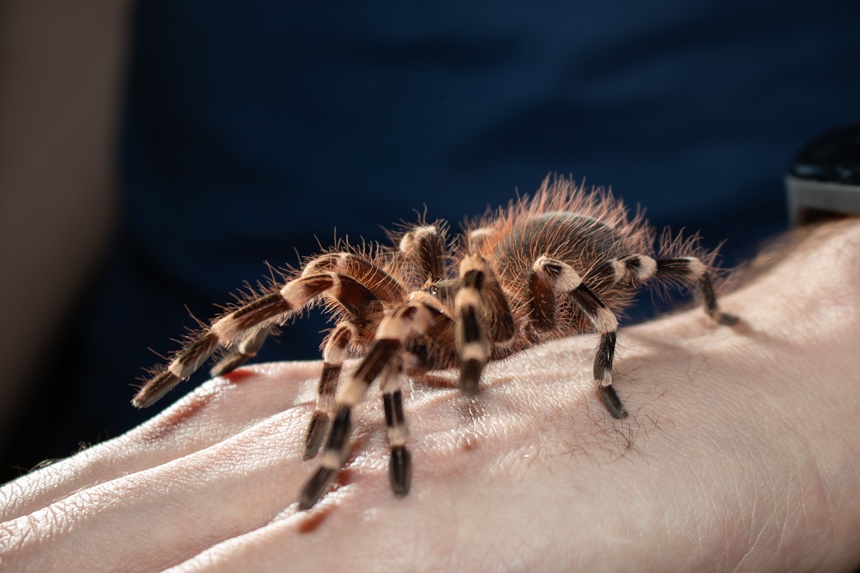
The term arachnid, I’m pretty sure, is Latin for “things with too many legs for my comfort level,” as all arachnids have eight legs. This category includes ticks, which can transmit at least a dozen serious illnesses to humans, as well as spiders. Spiders, of which most humans have a biologically based innate fear, seem to be equal parts legs, eyes, and hairs. Of course there are those who keep tarantulas as pets, although some experts warn of risks like severe allergic reactions and urticating hairs that can require surgery if they get in your eyes.
As if eight appendages weren’t enough, the forces of nature saw fit to make invertebrates with loads more. Centipedes are a great example of un-cuteness. While their name means “hundred legs,” they can have anywhere from thirty-something to just under 300. They have one pair of legs per body segment, and reportedly all have an odd number of segments. This means you’ll never find a centipede with exactly a hundred legs – so much for truth in advertising.
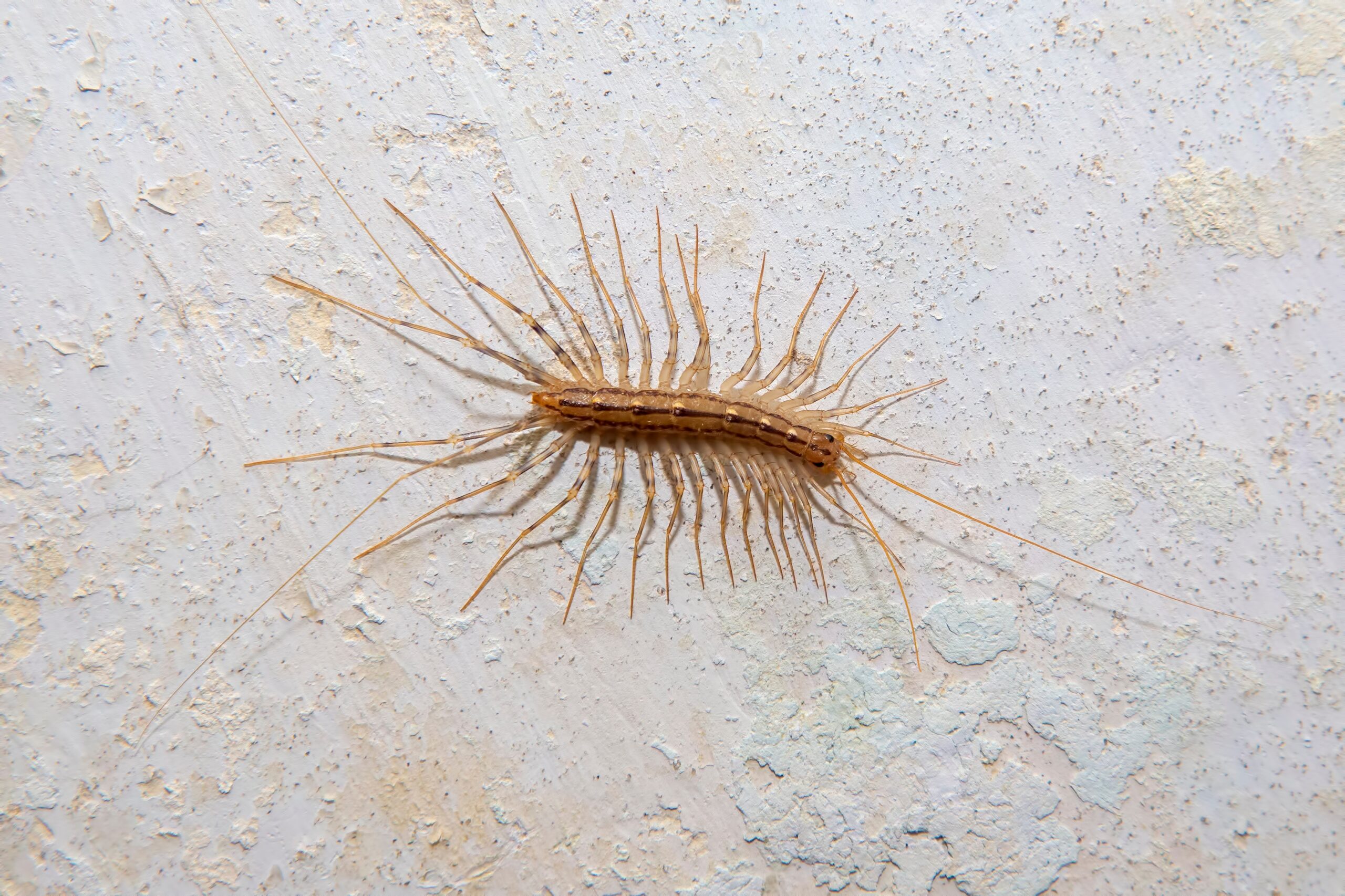
Carnivorous, venomous, and fast-moving, centipedes score way up there on the creepiness meter. However, they pose no danger to us. These soft-bodied predators sometimes invade homes, and will rid your living space of things like spiders and cockroaches, which sounds great. But for the average homeowner, they tend to rid one of peace of mind and restful sleep. If you find centipedes indoors, the best way to get them out is to eliminate the bugs or other crawly things they are eating.
At the time when biologists named millipedes, a word meaning “thousand legs,” it was believed that these elongate, slender, hard-shelled arthropods did not have quite that many limbs. It’s just that there wasn’t a concise Latin term for “several hundred but they’re real small and we keep losing count.” Unlike the bloodthirsty centipedes, millipedes are detritivores, eating rotten stuff like decayed leaves and wood, and fungi too. They are highly beneficial in gardens and compost piles. Once in a while, millipedes briefly show up in houses during weather extremes, especially in times of drought, and conversely, after extremely rainy periods.
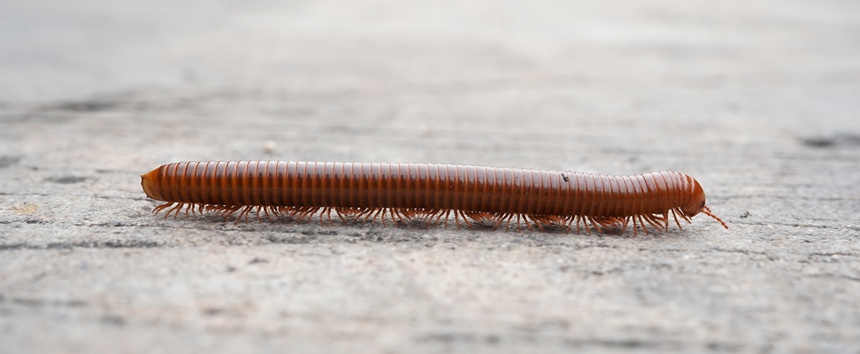
In the northern states, millipedes are typically quite small, from less than a half-inch long to perhaps 1.4 inches (three centimeters). But in the mid-Atlantic states and the Southeast, the American giant millipede can reach about four inches (ten centimeters) in length. Not surprisingly, this species is moving northward out of its historic range due to warming temperatures.
Five years ago, a fossilized millipede dating back 326 million years to the Carboniferous Period was found in the UK. Researchers estimate that the individual they unearthed was about 8.5 feet long (2.6 meters), and in the flesh would have weighed approximately 110 pounds (50 kilograms). For sure this thing would make a real dent in the average compost pile.
In terms of living novelties, a millipede actually having a thousand legs was discovered in Australia in December 2021. This newly found species, Eumillipes persephone, is only about 0.04 inches (0.9 mm) wide and 3.74 inches (95 millimeters) long, but they win the stride prize. After taking enough Adderall (I assume), a researcher was able to count all 1,306 legs on a single specimen.
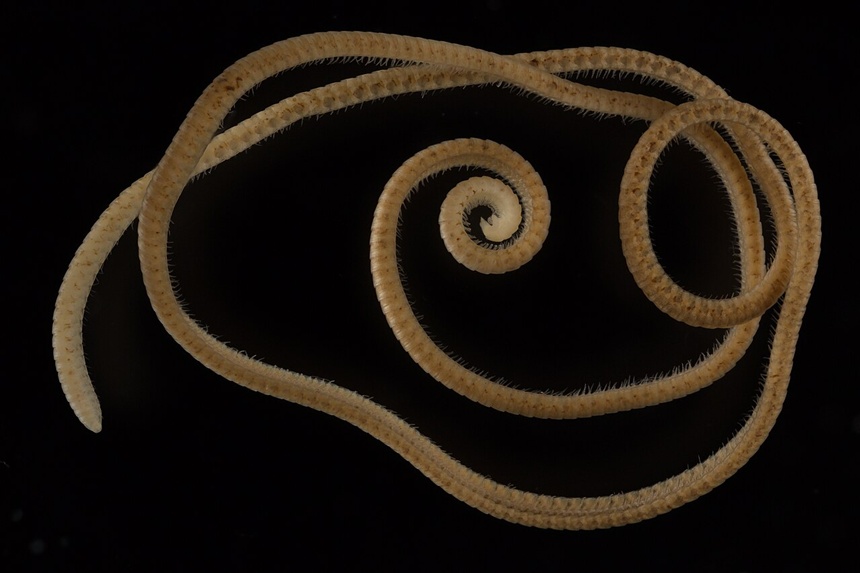
The blind, fungus-grazing millipedes were found far underground – as deep as 197 feet (60 meters) – in a number of exploratory boreholes drilled by mining companies years ago. As organic matter falls down the boreholes and decays, Eumillipes persephone munches the fungi that colonize the detritus.
In an interesting twist, giant millipedes now have a niche market as pets. To my knowledge, no one has yet studied whether millipedes cause an oxytocin rush.
Become a Saturday Evening Post member and enjoy unlimited access. Subscribe now




Comments
Another perfect opening picture only this cartoon dog could pull off! I have to agree 2 to 4 legs are the most appealing, for your reasons mentioned. Cucumber beetles are good looking. I’m sorry they’re destructive to cucumbers and melons.
I just learned a whole lot about tarantulas, centipedes, millipedes and the Eumillipes Persephone. I’d need a sedative too, trying to count 1,306 legs for scientific research. No wonder it looks like it’s winking at you in the photo!