What is American food?
While the question appears uncomplicated, many of the staples of modern American diet and traditional cuisine originate from other countries. Hot dogs and hamburgers both originate from Germany. Bagels — one of the most popular breakfast items in the United States — originated in the Jewish communities of 17th-century Poland and were brought to the U.S. by immigrants. Barbecue has roots in the cooking styles of Native American tribes. Even apple pie originated from European baking traditions in England and the Netherlands. American food blends together Native American, European, African, Asian, and Latin American traditions.
While many different immigrant groups introduced diverse dishes and flavors to the United States, these foods did not maintain their culinary and traditional authenticity; rather, they adapted to suit the American palate.
An early case of Americanization occurred in the late 18th century, when the young United States not only gained independence from England’s government, but also began to reshape British cuisine to reflect its sovereign identity. The first separation of English and American cooking was seen in Amelia Simmons’ American Cookery in 1796, according to Laura Dean’s essay, “A Question of Cuisine: How Food Was Americanized, 1796-1832.” While most recipes in this cookbook were English, Simmons incorporated American ingredients such as cornmeal, pumpkin, and cranberries. Even cookbooks written in England recognized American cuisine as separate and unique by providing recipes that were “adapted to the American mode of cooking,” according to Dean. This process continued throughout the 19th century as more American cookbooks were published, mostly emphasizing practicality over luxury.

African crops and recipes also had a significant influence on American food. During the Middle Passage — the forced journey of millions of enslaved Africans across the Atlantic to the Americas — many food crops native to Africa were taken to America by slave traders, including yams, okra, hibiscus, tamarind, Guinea millet, watermelon, sorghum, and the oil palm.
Once they arrived in the Americas, the enslaved Africans grew those crops in order to survive long days labor on plantations. When ingredients used back home were not available, they would find replacements. For example, fatback — a thick layer of subcutaneous fat taken from under the skin of a pig’s back — was used as a substitute for African cooking oils. They were often left with leftovers such as the least desirable cuts of meat, requiring them to adapt new techniques such as slow cooking, spicing, and using garden-grown vegetables to prepare meals.
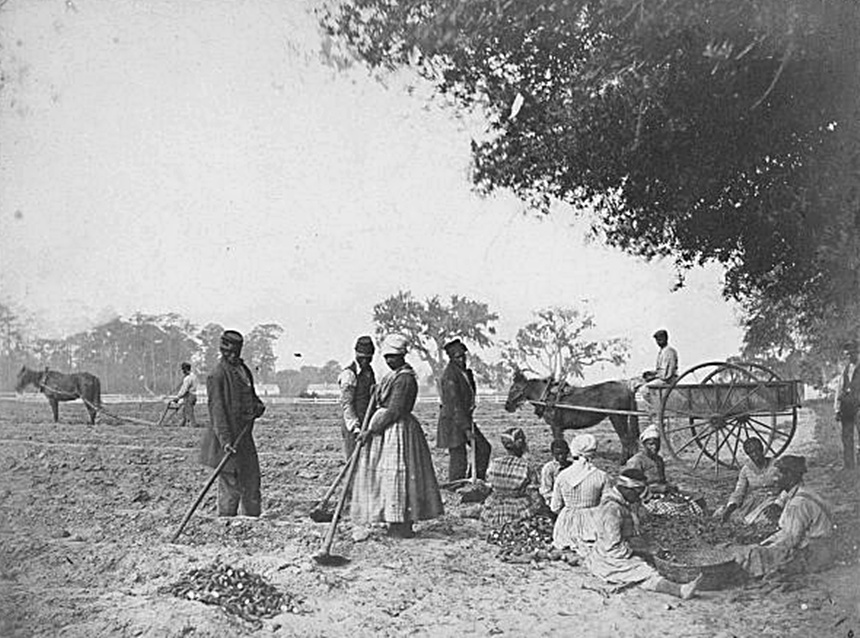
Over time, these recipes developed with limited rations and ingredients became soul food, a term coined in the 1960s to describe the southern style of African American cooking. Soul food was refined in Black-owned southern restaurants during the Jim Crow era and spread to northern cities during the Great Depression due to its comforting taste and affordable prices.
One of the first major culinary shifts in the U.S. was brought by German immigrants during the first wave of immigration (1820-1880). Not only did Germans influence what people in America ate, but they also reshaped views on food production and preparation. German families prioritized having variety in their diet far more than Americans — who mostly ate four or five dishes in rotation. They also brought methods to preserve food without compromising taste, such as smoking, curing, pickling, and fermenting, compared to the traditional frontier settlers who used salt or drying as their only storage techniques. By the late 19th century, most U.S. restaurant foods were Germanic, including spaetzle, sausages, and beer, and their distinct diet began to blend with mainstream American diets in the form of cole slaw, hot dogs, donuts, and hamburgers.

During the second wave of immigration (1880-1920), many Italians came to America and brought their food with them. Not all Italian food was instantly appreciated by Americans. In the 1920s, nutritionists and social workers complained that the dishes were too garlicky and spicy and increased alcohol craving. Despite these opinions, three factors made Italian food appealing, according to “A model of historical development and future trends of Italian cuisine in America”: a balance between rich taste and simplicity; high-quality and nutritious ingredients; and the image of authentic Italian restaurants. One of the earliest Italian dishes to gain popularity was macaroni au gratin (macaroni and cheese), National Geographic reports; it was considered a sophisticated dish in American restaurants during the 19th century. Pizza also arrived around the same time, evolving to have larger portions, new toppings, and regional styles, according to Upwardly Global.
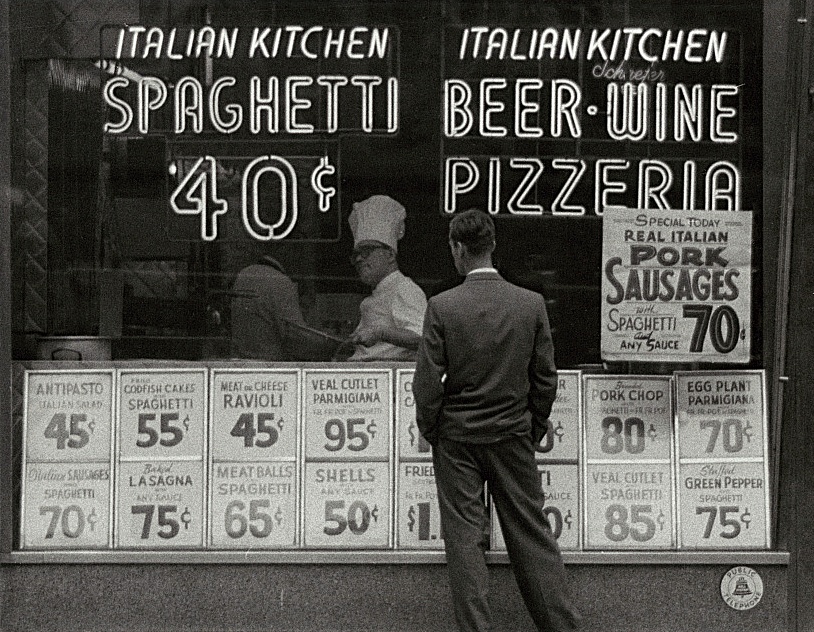
But it wasn’t until after World War I that Italian-American restaurants attempted to appeal to a larger audience. Americanized “red sauce” restaurants began to proliferate. They specialized in Southern Italian comfort food and often substituted ingredients to fit what was available in America. Many confused this Americanized food with the actual domestic cuisine of the region, according to Anthony F. Buccini. Italian food continued to grow and evolve in the United States during the late 1970s and early 1980s with the rise of northern Italian cuisines — characterized by less olive oil, more butter, and pesto sauce instead of tomato sauce.

Chinese immigrants first came to the U.S. in significant numbers during the California Gold Rush. Most first-wave Chinese migrants took on professions that provided services for miners, including traders, grocers, merchants, and restaurant owners. The first Chinese restaurants in San Francisco gained massive popularity due to their cleanliness, professionalism, and cheap prices, according to Time. Around the mid-1890s, chop suey — the first synthesized cooking style targeting Americans — became a nationwide culinary trend, particularly because the dish balanced feeling authentically Chinese while still appealing to American tastes.

In the late 19th century, anti-Chinese sentiment spread, with Chinatowns labeled “nuisances” and Chinese kitchens criticized as unsanitary. The Chinese Exclusion Act, enacted in 1882, prohibited Chinese immigrants from entering the states and obtaining citizenship, forcing many Chinese immigrants into small businesses like laundries and restaurants for survival. This continued until the Immigration and Nationality Act of 1965 was passed — which moved away from discriminatory immigration policies.
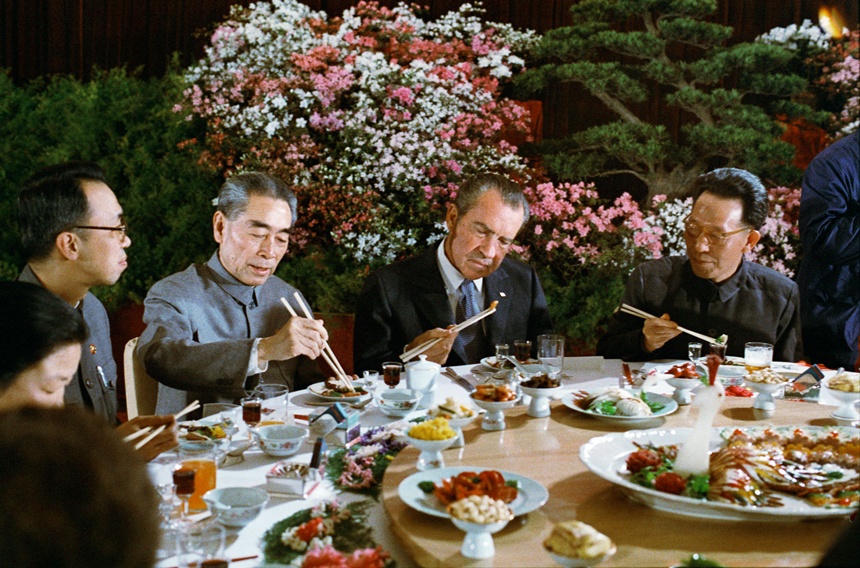
More immigrants from different regions, including Hong Kong, Taiwan, and China arrived in the United States, bringing more diverse cultural dishes and flavors. The American obsession with Chinese cuisine was also fueled by President Nixon’s visit to Beijing in 1972 as people wanted to try the Peking duck and multi-course Chinese feasts that the president ate on TV.
From the 1910s to the 1930s, Mexican immigrants flocked to the U.S., and many made economic progress through selling food — mostly from home or food stands at local fairs or sporting events. Like most immigrant groups, Mexicans struggled to find certain ingredients needed for traditional dishes, leading to new, improvised recipes with what was available, according to Ivy Stark’s “Beyond the Border.”
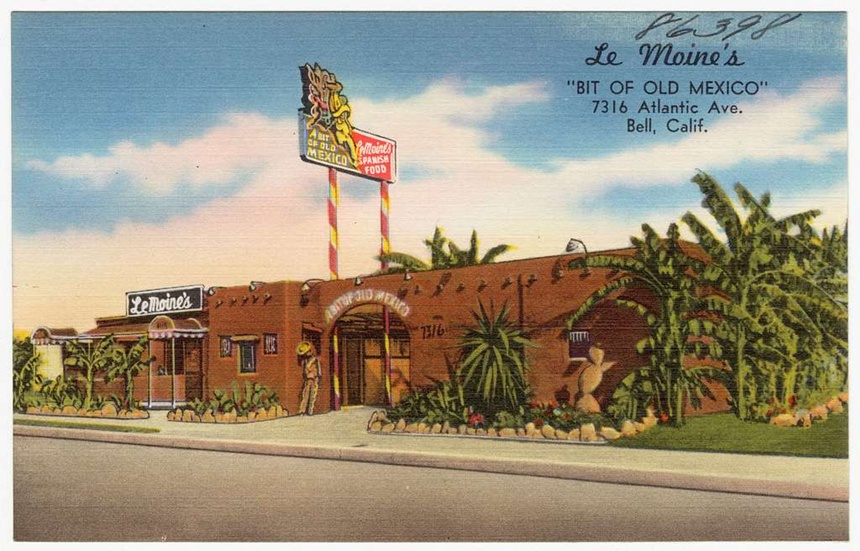
While authentic Mexican food — rooted in Mesoamerican traditions — originated in the early 1500s, most of the “Mexican” food in the U.S. is actually Tex-Mex — a blend of Mexican, Spanish, and American flavors influenced by the culinary traditions of the Southwest. Tex-Mex began to spread in small, family-run restaurants across Texas in the early 20th century, gaining popularity due to its low price and delicious taste. However, it was also disregarded by some as dangerous, cheap, and low-quality according to Stark.
Throughout the ’50s, Mexican cuisine continued to spread beyond Mexican communities and become mainstream, with an increase in Mexican-themed restaurants, cookbooks, and fast-food options.
American food cannot be traced to a single origin; instead, it has been shaped by generations of immigrants who adapted their culinary practices to new environments, ingredients, and cultural expectations. From German hamburgers to Tex-Mex tacos, “American” food is an evolving fusion of cuisines that reflects the nation’s diversity and history.
Become a Saturday Evening Post member and enjoy unlimited access. Subscribe now