We’ve heard it said a million times: “So-and-So is living in the lap of luxury.” Most often it comes across as admiration. Sometimes as jealousy. In either case, the natural follow-up, seldom asked, should be, “But what exactly does luxury mean these days?” Is it all about money and the fancy things it can buy? Or is the hyper-advertised “luxury lifestyle” more complicated than that?
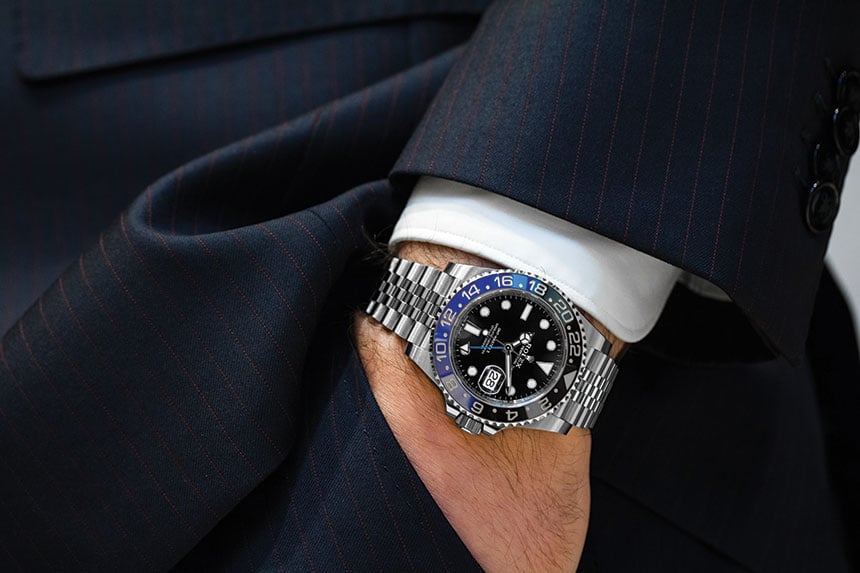
Correct and final answer: It’s more complicated. What I call luxurious you might dismiss as slumming. It’s relative. Because I love watches, I wear a nice one almost daily, even to the gym. However, as a way of illustrating the elasticity of what’s meant by luxury in 2026, a senior jewelry executive recently told me that, among her clientele, it’s not unusual to bring $100,000 worth of bling to a sweaty workout. In the eyes of some, that’s an unambiguous outward message: Yes, I am living exceedingly well. Others may have a different view.
Among those who pay close attention, there is a generally accepted definition of luxury — a specific way of being in the world — and you may accept or dismiss it as you wish. Here I’ll defer to the editor of Luxury Aficionados magazine: “Luxury is extra quality, extra effort, extra service, extra care.” Companies that execute in all these areas will “earn the loyalty of the world’s most discerning customers,” the editor wrote this year, presumably with an extra air of authority. And honestly, who would rebel against all that pampering?
Not everyone actively seeks it, however. I know people for whom a lengthy getaway to a dusty, remote backwater, free of amenities and conveniences, defines their notion of luxury. Having the liberty to unplug from the noise of modern life can feel miraculous. Truth is, plenty of well-heeled folks have zero interest in such things as bespoke vacations crafted by specialty travel agents.
Which gets us to a key point. Ultimately, more than anything, there is no greater luxury than time. Can we agree on that? The privilege of getting to use it intentionally — even if modestly — cannot be overstated.
In many respects this all distills down to scarcity. My source in the upper echelons of the jewelry business put it bluntly: “Luxury consumers want what’s hard to get. They want what others don’t have.” While, sadly, we can’t control longevity, many of us have been trained to covet the material goods and services that one day might actually be attainable. While we’re still alive. We look to brands such as Mercedes, Rolex, Cartier, Hermès, Louis Vuitton, and Ritz-Carlton as signals of personal success. I was going to mention Apple and its top-tier iPhones — until I discovered a rival that targets a group willing to pay up to six figures for its leather-swaddled devices.
Although Saks Fifth Avenue declared bankruptcy earlier this year, scores of companies that focus on super-discerning shoppers are booming. Happy days for the flush crowd. Cruise lines are adding more upscale ships. Hilton Hotels says it’s rapidly expanding its luxury division. Even in the diminished world of print magazines, luxe titles are thriving.
And yet let’s be clear: Way too many things are dishonestly promoted as “luxurious.” It’s a plague of too much … lying. Aspiration is indeed the most powerful motivator. But luxe paint? Toothbrushes? Socks? We are over-luxed. The word itself is so indiscriminately tossed around that it’s been cheapened to the point of who-ya-kidding. The most egregious sacrilege I’ve seen may be Taco Bell’s Luxe Boxes. This, I must say, is simply too hard to digest.
In the last issue, Cable Neuhaus wrote about the annoyance of ubiquitous online surveys.
This article is featured in the May/June 2026 issue of The Saturday Evening Post. Subscribe to the magazine for more art, inspiring stories, fiction, humor, and features from our archives.
Become a Saturday Evening Post member and enjoy unlimited access. Subscribe now