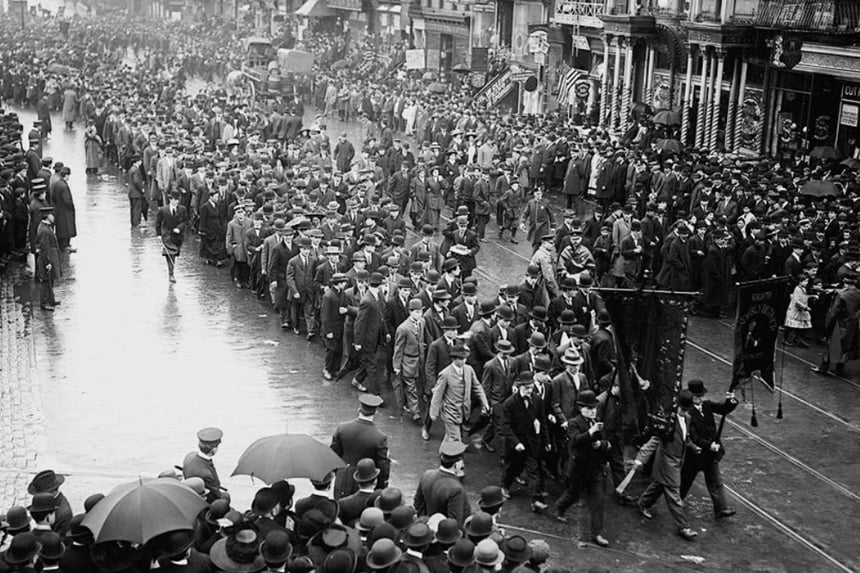
May 1st has long been a day of celebrations on the yearly calendar. For the Celts and the Romans, the day marked the beginning of spring and was celebrated with traditions like the maypole dance and the May baskets — traditions that spread throughout Europe during the medieval period. In modern times, the day is often commemorated as International Workers’ Day, or as it more commonly known, Labor Day.
While the U.S. isn’t among the many countries that observe Labor Day on May 1st, the origins of the date as a day celebrating workers and their labor are very much home grown. During the 19th century, American workers were at the forefront of the global struggle for improving wages and working conditions. Specifically, by the 1860s, the demand for an eight-hour workday became a rallying cause for workers across the country.
Challenging the standard of 10, 12, and even 16 working hours per day that was typical in many industries, even for children, workers demanded “Eight Hours for Work, Eight Hours for Rest, and Eight Hours for What We Will.” Arguing that as workers they too had the right to rest and to enjoy the fruits of their labor, the call for the eight-hour workday was not only about improving labor conditions, but also reclaiming control over one’s time and right for leisure and culture.
Chicago in particular became a center of labor organizing and militancy. In 1884, the Federation of Organized Trades and Labor (which would later become the American Federation of Labor, or the AFL) convened in the city and proclaimed, “eight hours shall constitute a legal day’s labor from and after May 1, 1886.” The Knights of Labor, at the time the largest labor organization, backed the proclamation a year later.
On May 1, 1886, more than 300,000 workers from 13,000 industries across the country went on a general strike to demand shorter hours. By May 3, what began as peaceful protests escalated into violence as the Chicago police attacked workers near the McCormick Harvesting Machine Company plant. As a response, a demonstration to protest police brutality was planned for the next day at the Haymarket Square.
What came to be known as the “Haymarket Affair” turned out to be even bloodier. As police and workers clashed, a bomb was thrown, killing one officer and prompting the police to shoot at the protesters. At the end of the day, seven policemen died along with four workers, and dozens were injured. The bomb thrower was never found.
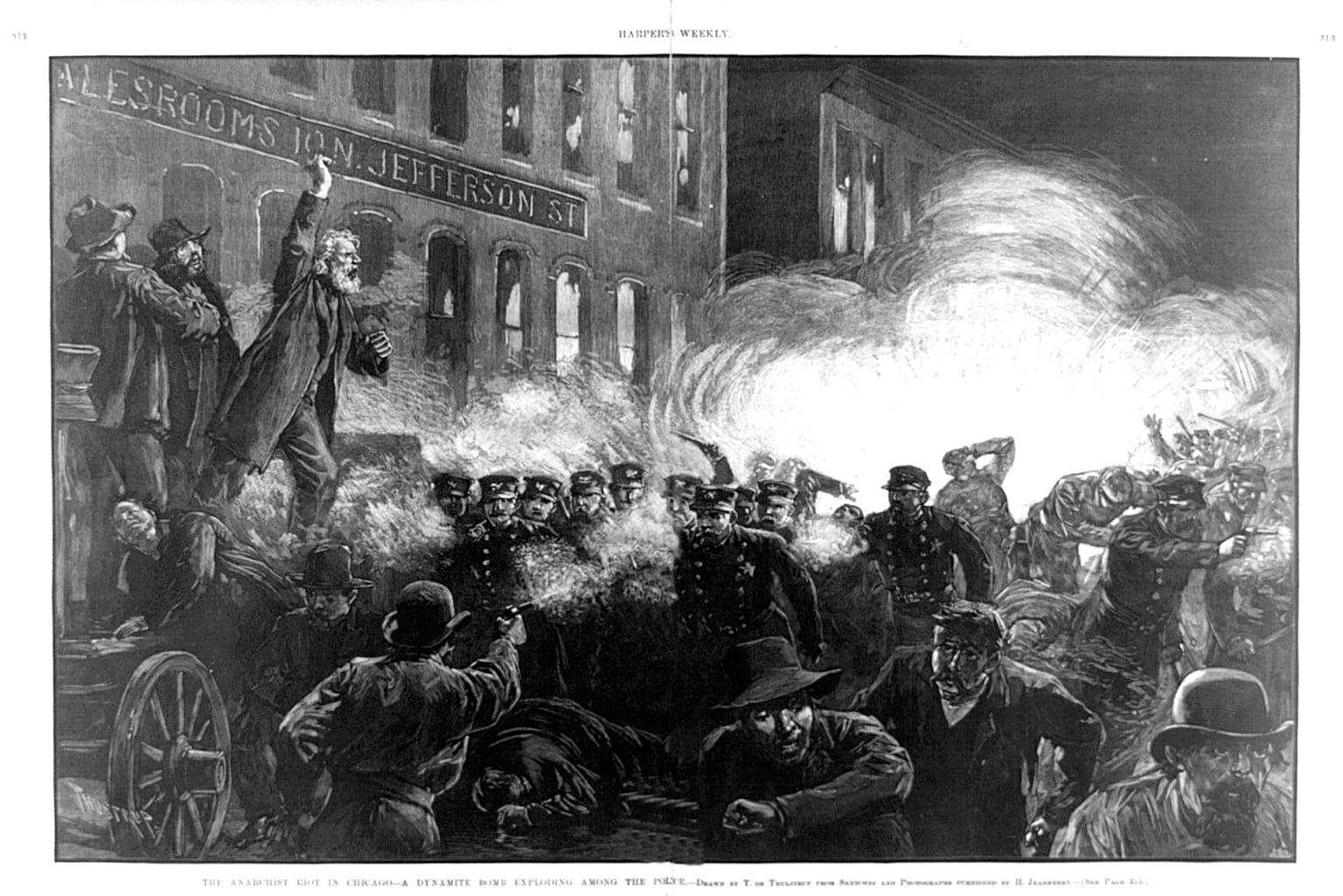
The events at Haymarket spurred a fierce backlash from the government against labor, communists, and anarchists, who were blamed for the violence. Martial law was declared as crackdowns on immigrants, free speech, and workers swept the city and the country.
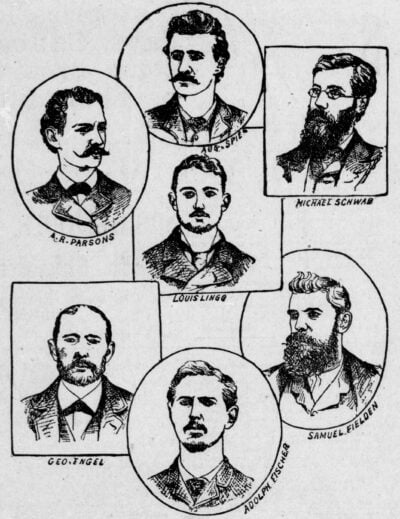
Eight men were eventually tried for the ordeal and sentenced to death by hanging. In a foreboding warning, August Spies, one of the convicted men, cried before his execution: “There will come a time when our silence will be more powerful than the voices you strangle today.” His words were heard by millions across the globe, and in 1889, the International Socialist Conference decided to mark May 1st as a labor holiday to honor the Chicago workers and victims of the Haymarket Affair.
Many of the ruling class in the United States feared the notion of an active working class united in international solidarity, and they tried to suppress May Day events and the Haymarket commemoration. Although Labor Day had been set by 1894 as the first Monday in September, workers continued to mark May 1st as an important day, conducting parades and rallies that celebrated unions and workers and reminding American of the importance of solidarity.
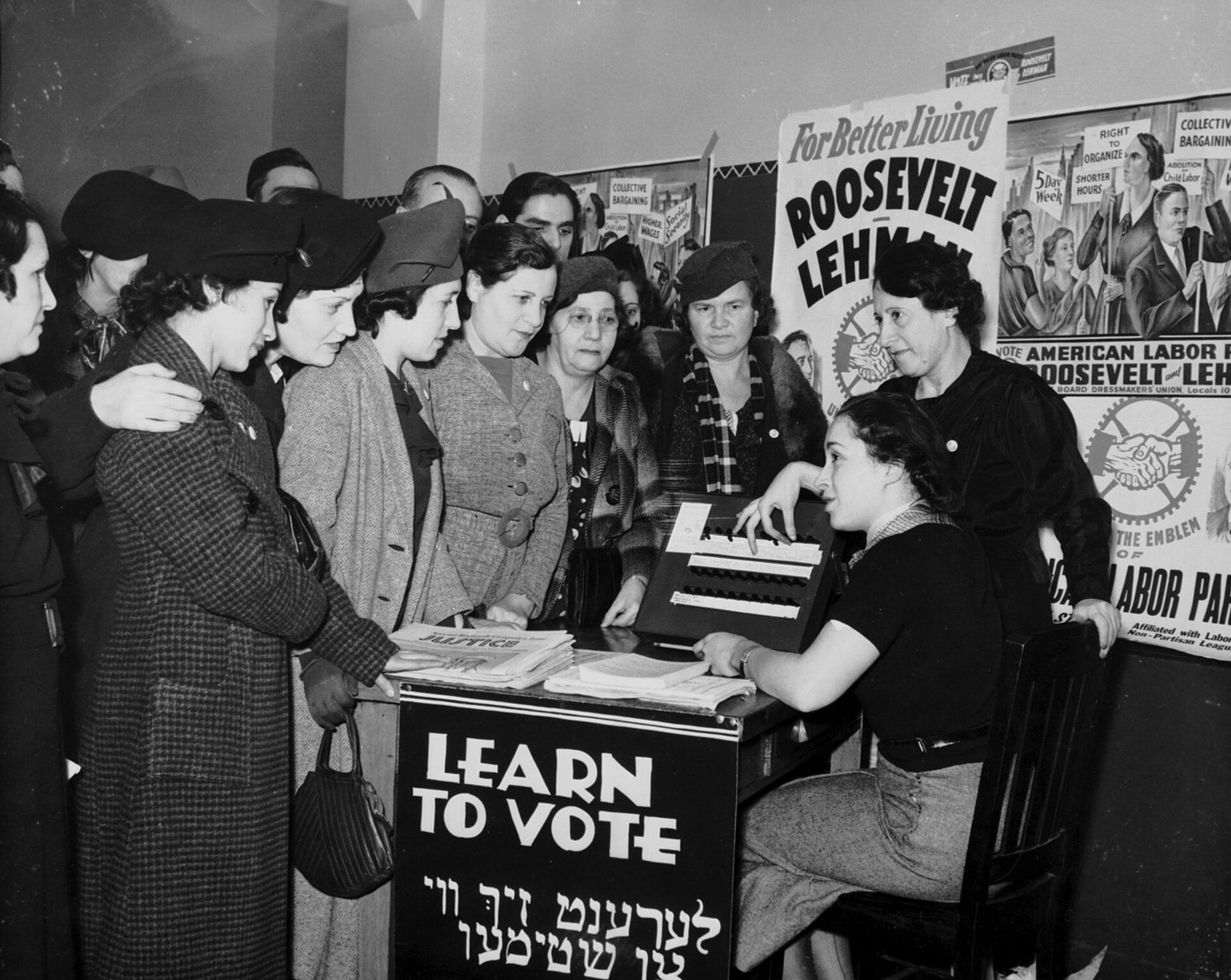
Led by the International Ladies Garment Workers Union (ILGWU), the sea of red flags and creative flotillas continued from Union Square to the Polo Grounds for a rally with music, dance, and drama performed by ILGWU members who took part in the union’s education and leisure programs. Focusing on workers’ talents beyond the shopfloor, the event emphasized the idea that unions fought for better working conditions and “a way of life” that enriched the workers both on and off the factory floor.
Indeed, May Day celebrations showed that labor struggles focused not only on the “eight hours for work” but also that “eight hours for what we will” would be meaningful and rewarding.
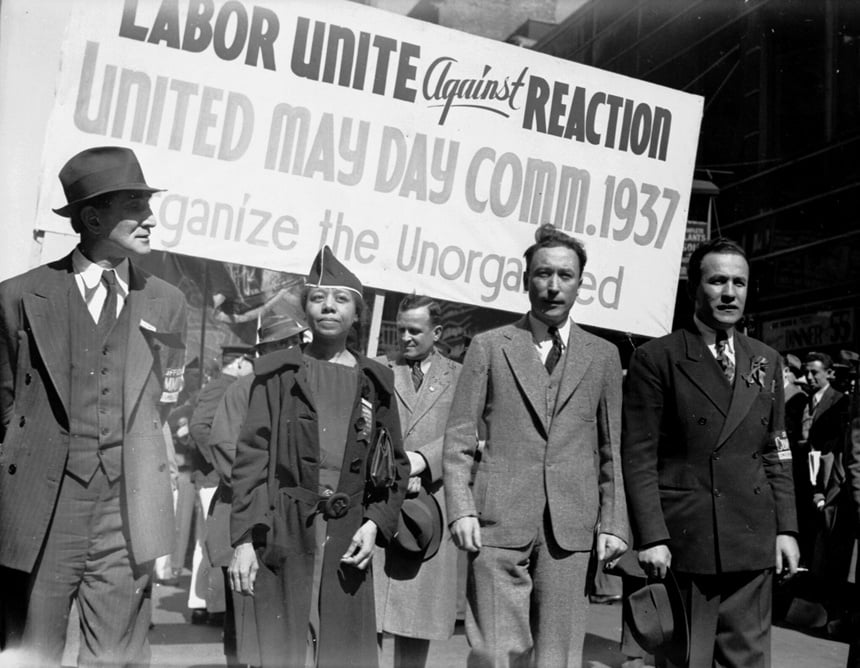
If today the tradition of May Day parades has waned, the spirit of celebrating labor and unions remains as relevant as ever. So does the struggle for better wages, safe working conditions, and class solidarity. But even more, May Day is a reminder that leisure, rest, and joy are not a marginal or frivolous matter, but important causes to fight for.
Become a Saturday Evening Post member and enjoy unlimited access. Subscribe now

Comments
Excellent and interesting