The Homecoming
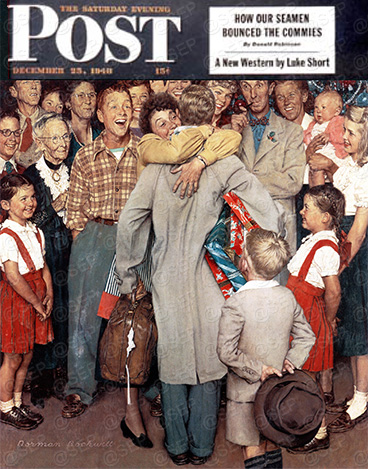
The Homecoming Norman Rockwell December 25, 1948
Parents will tell you nothing makes holidays more enjoyable than visits from their grown-up children. In 1948, Rockwell created his vision of a happy Christmas reunion by gathering all three of his boys in a single painting. We see the back of his oldest son, Jerry, receiving a joyful hug from his mother, Mary. To the left of Mary, in a plaid shirt, is son Tommy. Youngest son, Peter, appears on the far left wearing glasses. To Mary’s right, with that ubiquitous pipe, is happy Dad, who occasionally made cameo appearances in his paintings.
To make this scene of the homecoming even more joyous, Rockwell added friends and neighbors from his community in Arlington, Vermont. Many of these people appeared on other Rockwell covers, like the little boy holding the hat, who was the main character in Rockwell’s A Day in the Life of a Boy. Rockwell also used the boy’s baby sitter—the blonde girl on the far right—and his mother and baby brother, who was dressed in a pink sweater. The little girls in red jumpers are actually one girl—the daughter of Rockwell’s doctor—who was so cute, he painted her as twins.
Rockwell’s good friend and fellow Post artist, Mead Schaeffer, is at the very top left. His daughters, who posed for Rockwell are also shown: blonde Lee is just left of Norman, redheaded Patty, stands to the right of Tommy. And what family gathering is complete without a grandmother? Happy to pose for the role was none other than Grandma Moses, who started painting at 67. “When I knew her,” Rockwell wrote, “she was over 85 years old, a spry, white-haired little woman. Like a lively sparrow.”
Rockwell chose his subjects carefully. He wanted to create a scene both familiar and poignant, one that would resonate with families who had known recent (and lengthy) wartime separations. Even today, Rockwell’s homecoming evokes the spirit of welcome we’d like to see waiting for us when we come home for the holidays.
More Vintage Christmas Ads | Santa and Other Curiosities
Santa the Ad Man
More than one child must have been troubled by all these commercial Kringles. Why would Santa Claus appear in so many ads, urging people to buy gifts, when he and his elves were making all the gifts up at the North Pole?
Over the years, they saw Santa promote everything from gasoline to chewing gum, socks, typewriters, electric lights, orange juice, and antacid. Some of the more interesting versions of Santa can be seen in the 1920 ads for Interwoven socks and Kuppenheimer good clothes. They were created by the popular illustrator, and frequent Post cover artist, J.C. Leyendecker.
Here’s one weird-looking Santa from 1911:

Post cover artist J.C. Leyendecker illustrated this ad.

You can count on clothing ads to feature quality artwork.

Another Leyendecker Santa ad.

Done with Christmas, Santa begins work on his memoirs:

Santa’s elves, all hard at work making… appliances?

Whatever happened to flying reindeer?

Santa’s only request:

Still looking for gift ideas? Because everyone needs socks.

It doesn’t get more Christmas-y than this.

I guess he’s done with milk.

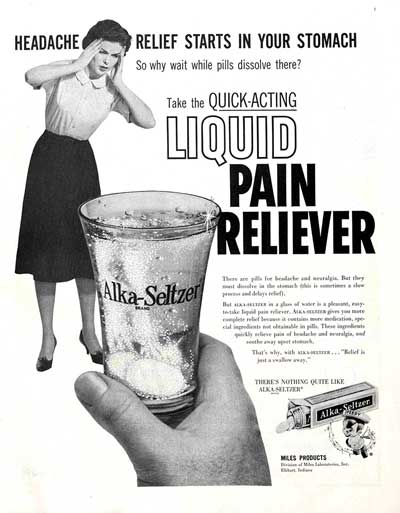
Even Santa needs an Alka-Seltzer sometimes.

Something’s off about this Santa…

Curious Christmas Ads
In an effort to cash in on Christmas sales, everybody from car manufacturers to tobacco companies to the United States government released Christmas-themed ads. In 1919, The Faultless Rubber Company tried to get in on the Christmas-gift-buying momentum to sell their baby bottles, hot water bottles, and enema bags. The American Chain Company used a Christmas theme to promote their tire chains and automobile jacks. Mueller Faucets selling plumbing fixtures by showing a rooftop Santa listening for dripping faucets in 1926.
Christmas is a time for giving, but it has also long been a time for buying and selling. Enjoy this selection of Christmas ads that have little to do with Christmas.
When I think Christmas, I think ‘rubber goods.’

Out of gift ideas? How about tire chains?

Here’s Santa with a sack full of knives.

Because Santa won’t go in if you have a leaky faucet.

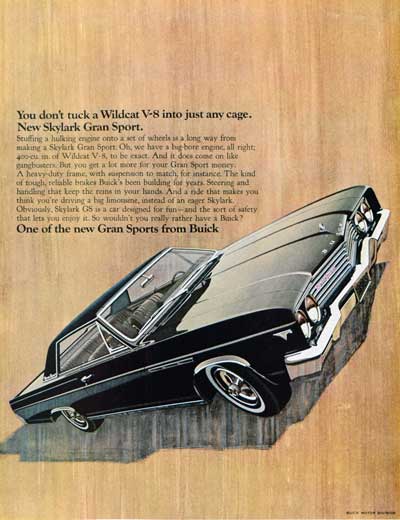
If you want to go big, you can always give a Buick.

Is this Santa in space?

Lacquer: Another classic Christmas gift.

Who wouldn’t want to receive savings bonds on Christmas?

From model trains to the real thing.

Tobacco companies used to issue special holiday cigarette cartons.

You can make any ad a Christmas ad by adding a small child with gifts.

This Christmas ad’s a bit of a stretch.

Nothing says Christmas like ‘Pliofilm’!

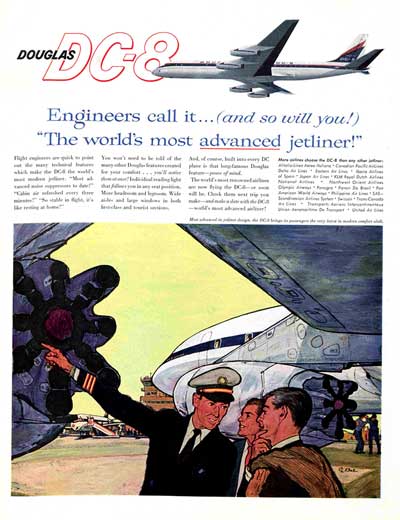
Since so many people travel around Christmas, travel ads are a holiday fixture.

If dad wants a new Plymouth so bad, maybe he should ask Santa himself.

As travel became easier, luggage ads became more common.

22 Vintage Christmas Ads for Him, Her, and the Kids
Because the décor of Christmas doesn’t change, one Christmas looks pretty much like any other. The only things that seems to change much are the gifts. And the advertisements.
The ads in this gallery show how much Christmas gifts, and advertising, have changed over the past century. Some gifts, such as warm socks or jewelry, have remained constant. Other gift ideas, such as giving your wife leisure or freedom in the form of a vacuum cleaner, show just how much Americans have changed in the past 100 years.
Get your boy a rifle–What could go wrong?

Oh goody! Santa brought us hand-shoes!

A timeless Christmas gift.

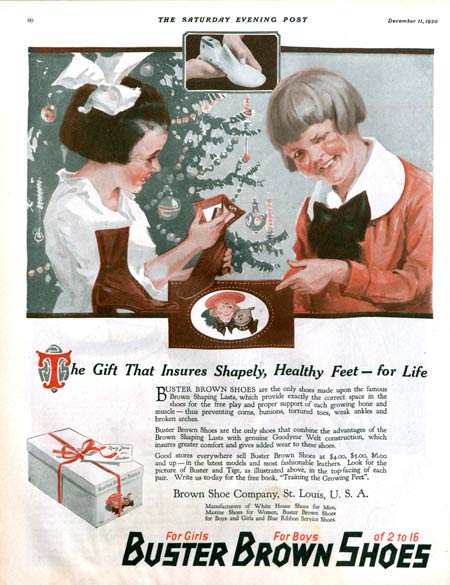
“The gift that insures shapely feet.” It’s too bad about his face, though.
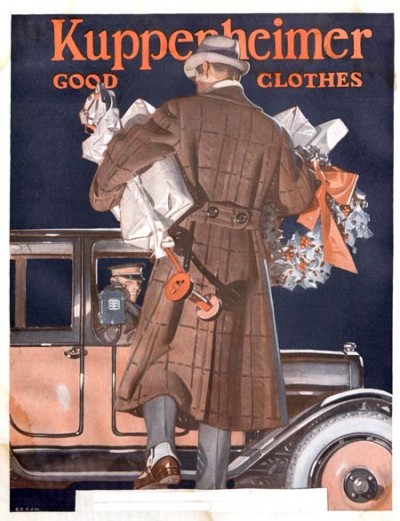
This guy’s looking pretty stylish in 1923.
What says leisure like a vacuum cleaner?

Santa has a daughter?

This 1926 ad stresses utility over all else.

Silverware is a recurring gift idea for women in the early 20th century.

Nothing warms a girl’s heart like a good refrigerator.

Take a look at this colorful perfume ad from 1933.

“Let Frigidaire glorify her Christmas–and your judgment!”

This ad continues the trope of vacuums as leisure devices.

Give him some dignity!

What’s more timeless than warm socks?

Check out these men’s jackets from 1948.

Well, at least dad and the kids are having fun here.

Schick patented the first electric razor in 1928. This one’s from 1952.

Make no mistake: This dream pipe is no pipe dream.

Sears and Roy Rogers: Welcome to 1956.

Electric razors are a common gift idea for men. But what about women?

Nothing says 1958 like an appliance ad featuring Lucy and Desi.

Beatlemania
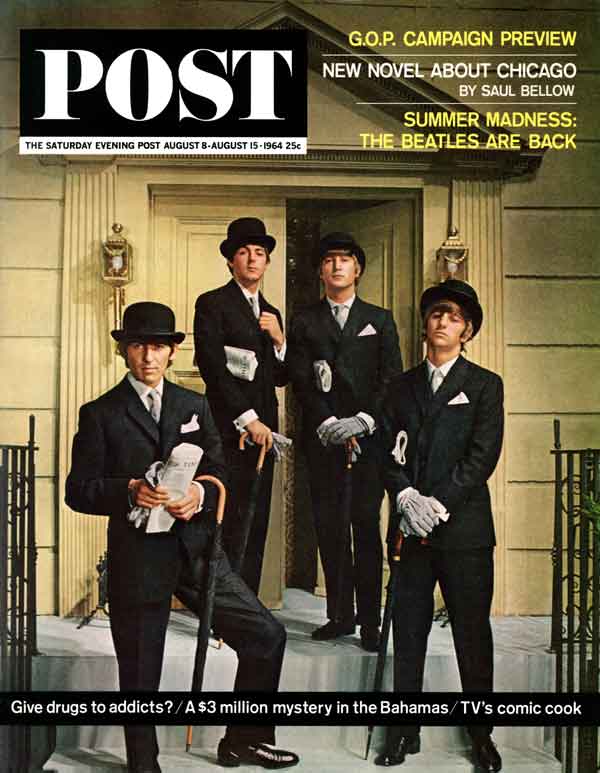
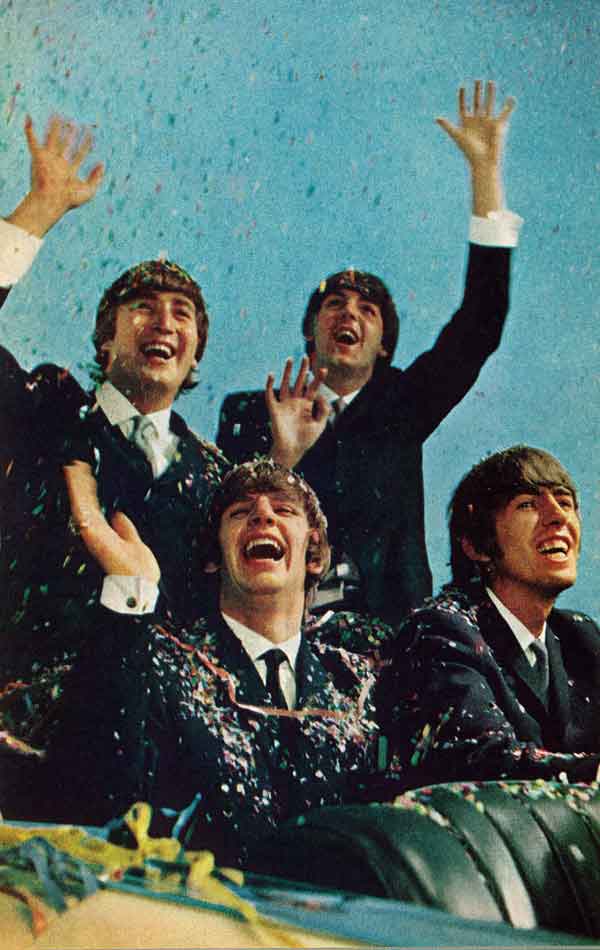
The Post was there when the Beatles first came into the public view. At the time we dismissed them as fad, but we quickly learned that their cheeky attitudes, unruly hairstyles, and catchy songs were a much bigger deal both at home in England and across the globe. Follow the Beatles on their rise to stardom with photos and articles from our archives. Don’t miss our special coverage on the 50th anniversary of the Beatles invasion in our Jan/Feb issue!
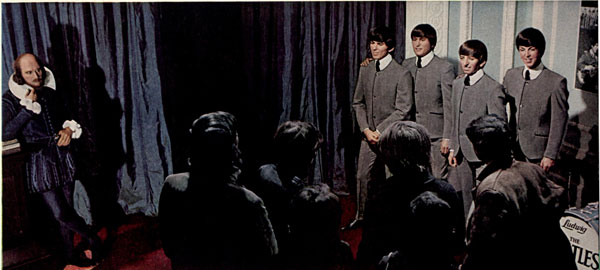
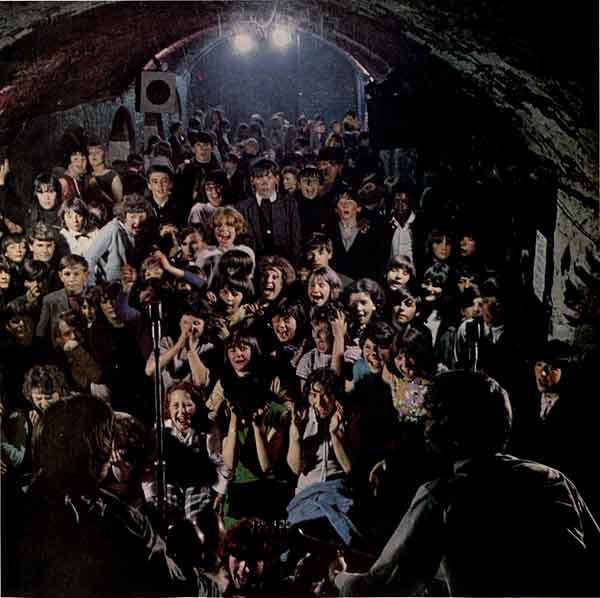
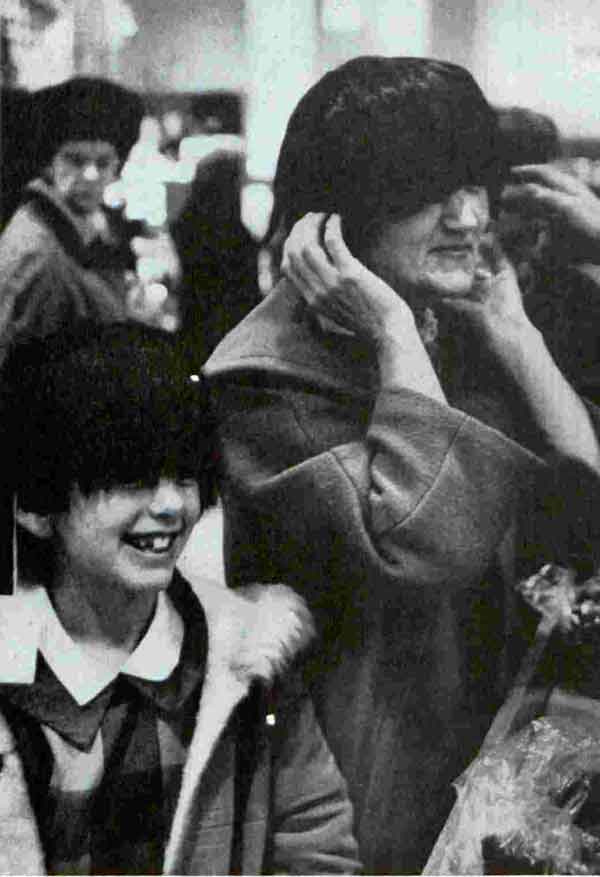

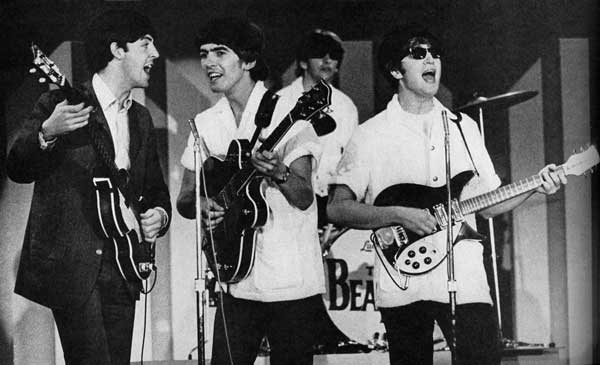
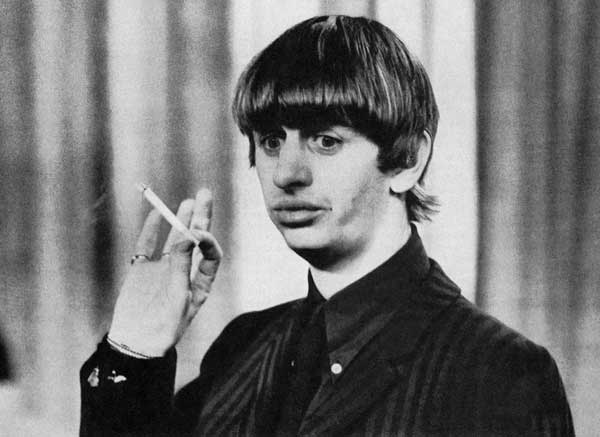
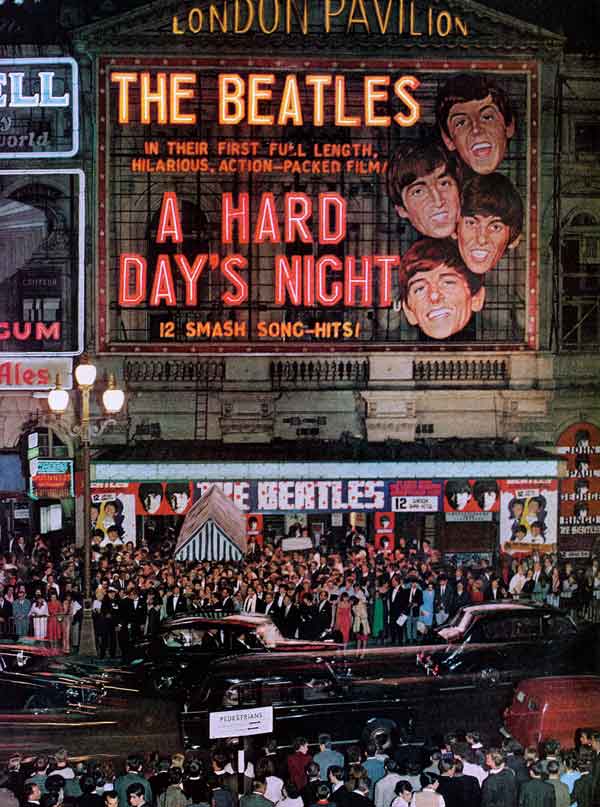
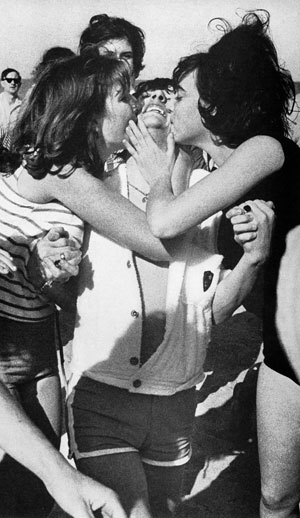
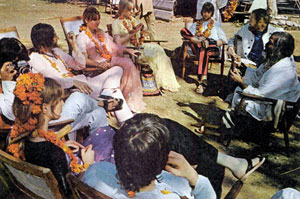

Yeah! Yeah! Yeah! Music’s Gold Bugs: The Beatles
By Alfred G. Aronowitz – March 21,1964
They can’t read music, their beat is corny and their voices are faint, but England’s shaggy-maned exports manage to flip wigs on two continents.
The Return of The Beatles
By Alfred G. Aronowitz – August 8, 1964
When the Beatles stepped from the plane, 1,500 people shrieked a welcome from the roof of the Liverpool Airport. The mobs kept breaking through the police lines to claw at their car, while the police motorcycles raced down both gutters, making spectators jump hotfootedly back onto the curbs. Along the way the motorcycle police heard radio reports that there was rioting at town hall. The Beatles–Ringo Starr, John Lennon, Paul McCartney, George Harrison–were home.
The Monarchs of the Beatle Empire
By James Morris – August 27, 1966
“Not many seers, I suspect, would have forecast in 1964, when the group first fell upon the United States, that in two years’ time they would still be at the very top of their slippery profession, still be inciting teenagers into peculiar paroxysms, still be raising wry smiles among the cops, the clergy, and the multitudinous rivals.”
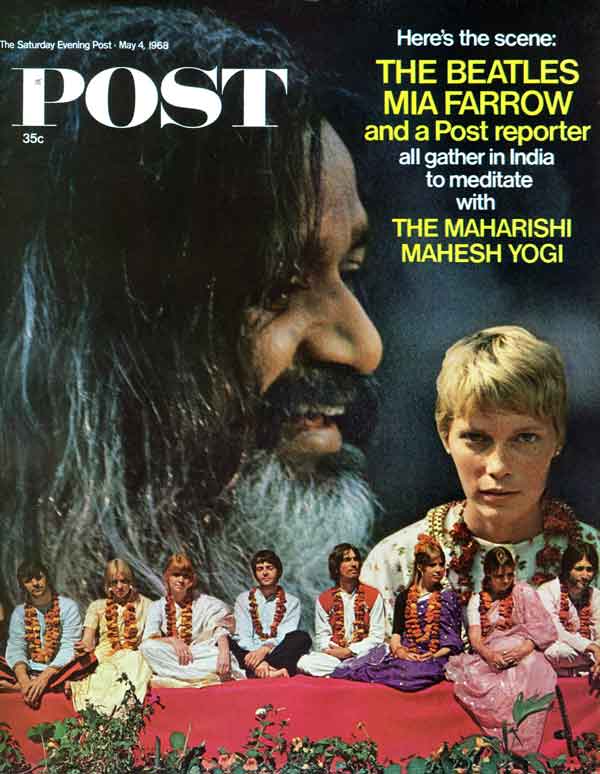
There Once Was a Guru from Rishikesh, Part 1
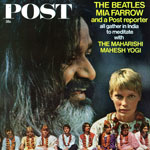
By Lewis H. Lapham – May 4, 1968
Our reporter learns about Transcendental Meditation, makes a voyage to India and meets the Maharishi, the Beatles, a Beach Boy, and other notables in search of something.
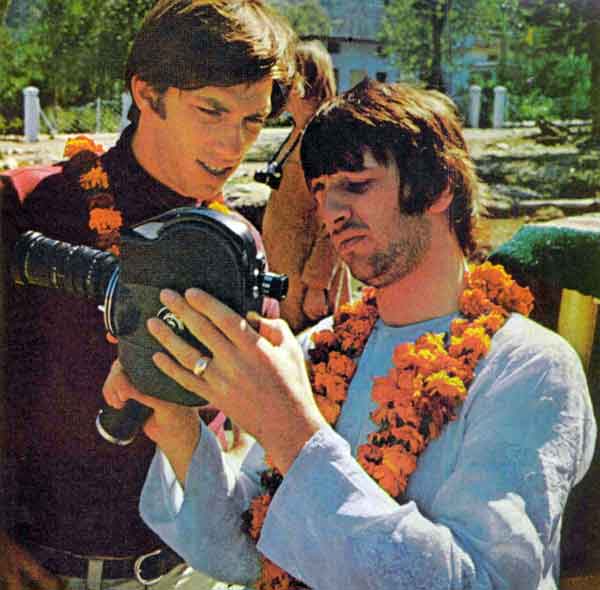
There Once Was a Guru from Rishikesh, Part 2
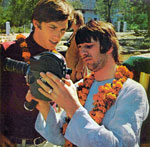
By Lewis H. Lapham – May 18, 1968
Having voyaged to India and satisfied the Maharishi of his good vibrations, our reporter throws toast to a monkey, breathes incense with the students of meditation, listens with Mia Farrow to the scream of a wild peacock, and bestows a garland of flowers upon a Beatle.
Sotheby’s to Auction Three Norman Rockwell Masterpieces
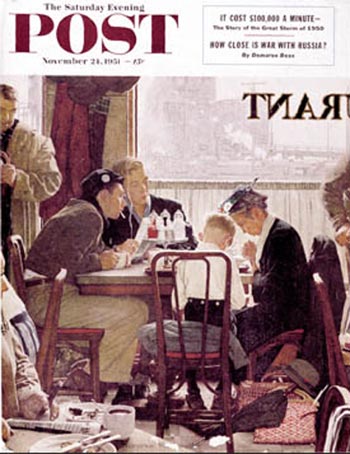
Three paintings by Norman Rockwell, iconic American painter and former cover artist for The Saturday Evening Post are scheduled for auction at Sotheby’s New York. The sale of these paintings: “Saying Grace,” Nov 24, 1915; “The Gossips,” March 6, 1948; “Walking to Church,” April 4, 1953, will, no doubt, raise the price paid for a Rockwell original to a new, unbelievable level.
But look through a list of the 50 most expensive paintings and you won’t find the name of Norman Rockwell. His works can’t hope to bring in the $100 million prices that collectors have paid for works by Picasso and Van Gogh. For decades, art galleries were dominated by modernist, abstract, and experimental painting. There was little appreciation for paintings that were as understandable and affecting as Rockwell’s. It didn’t help his critical reputation that he was enjoyed by millions of Americans who heartily disliked “modern art.”
In time, though, the critics started to re-evaluate Rockwell. They began to appreciate how much work he put into creating his narrative scenes, choosing the right models, acting out the scene for them–sometimes even providing them with their motivation for the role. It was hard to dismiss his draftsmanship, his narrative skill, his genius in capturing expression, his theatrical sense of staging that, well, just plain worked.
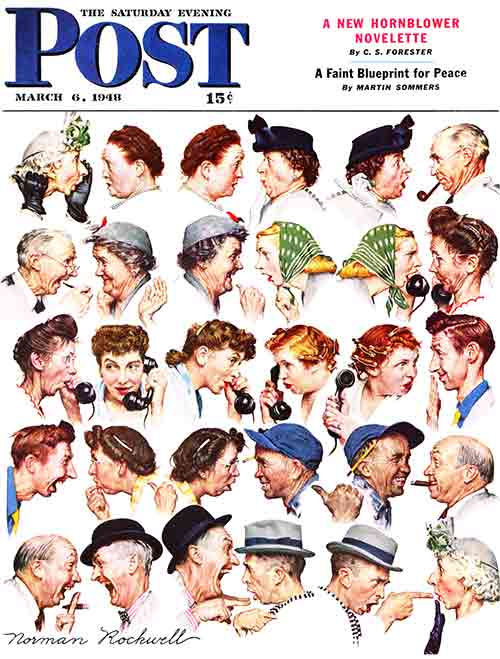
While Rockwell’s technique and dramatic sense are exceptional, they aren’t enough to explain why the commercial value of his paintings has risen astronomically in just 60 years.
Consider this: in the early 1950s, Norman Rockwell donated his painting “A Day In The Life of a Boy,” to an auction sponsored by a local charity. It sold for $5.00. In 1975, the Rockwell Museum of Stockbridge, MA, purchased “The Problem We All Live With,” a 1964 work commissioned by Look magazine, for $35,000. In 2006, Sotheby’s auctioned “Breaking Home Ties,” a Post cover painting from 1954. It had originally been purchased for $900 in 1960. Sotheby’s hoped to raise $4-6 million on the sale. It went for $15.4 million.
The reason they have appreciated so sharply has been their still-growing popularity; the public’s familiarity, affection, and esteem for his paintings have driven up their market value, just as they have for works by Van Gogh and Klimt. All this despite the lingering misconception among many Americans that his wholesome and sentimental images of everyday life in small towns reflected how he saw America. In fact, his realism wasn’t intended to be reality. He always maintained that he was painting life as he would like to see it, not as it was or even could be. Today, his paintings are frequently referred to as “iconic.” This would have surprised Rockwell, but it certainly would have gratified him, for he spent his career hungering for just a little appreciation from the art world.
Sotheby’s expects “Saying Grace” will probably sell for $15 million to $20 million. If the past is anything to judge by, the actual selling price will be even higher.
Here are the three Post covers, with their expected bids.
“Saying Grace” ($15 million to $20 million)
Rockwell told fellow Post artist George Hughes that he got so frustrated with the painting he threw it out his studio window. When Hughes asked the theme, Rockwell described it as centering on several rough-looking fellows watching a woman say grace in a diner. Hughes agreed it would never work. That comment was all it took to get Rockwell started again. He retrieved the painting from the snow and completed it for the Post’s 1951 Thanksgiving issue. He took pains to show, by their expressions, that the other diners were looking at the praying grandmother and child not with scorn but with a respectful curiosity.
“The Gossips” ($6 million to $9 million)
The viewer gets the story line, and the humor, of this cover immediately. But the skill with which Rockwell portrays the faces rewards the viewer, who comes back for a later look. Rockwell (who appears in the denouement as the gossiper’s victim) created this narrative gem of just-plain-folks-sharing-a-bit-of-slander in the same spirit of teasing affection that Frank Capra used so effectively in his films. More than one viewer has walked away from this cover wondering just how juicy that gossip could have been to have traveled so far.
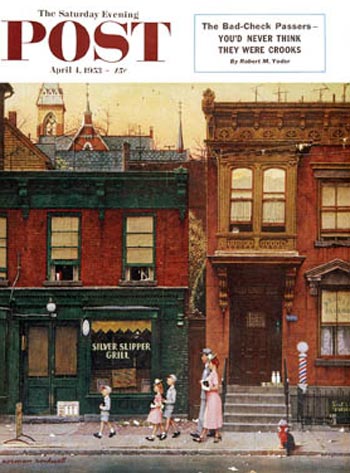
“Walking to Church” ($3 million to $5 million)
Appearing in April, this cover was probably intended to show a family on its way to an Easter morning service. The idea came to Rockwell after he had seen a 300-year-old painting by Vermeer, “The Little Street.” Rockwell wasn’t completely happy with this cover; he felt he should have made the family more realistic and less caricature-like. But he gave the neighborhood deft touches of realism: milk bottles and Sunday papers on the doorstep, debris littering the sidewalk, and an upper-floor window hinting at unglamorous rooms beyond. He painted the pigeons in flight, he said, to imply that the church bells were ringing.
For more on the paintings and the impending sale, see the article in The New York Times.
Little-Known Facts About the Civil War
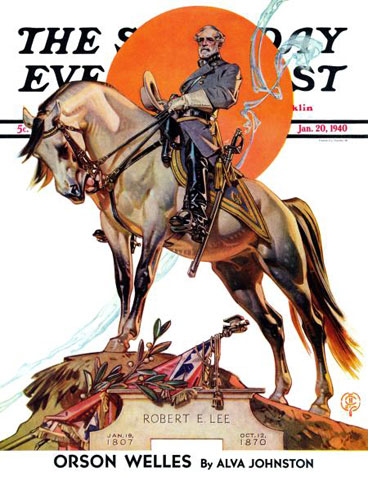
Robert E. Lee on Traveler
J.C. Leyendecker
January 20, 1940
© SEPS
Did you know President Lincoln wanted Robert E. Lee for command of the Union Army? Or that more than 10,000 Native Americans fought in the battles of the Civil War? Read on for some intriguing 19th century trivia.
The General Who Couldn’t Betray His Family
To say Robert E. Lee’s Virginian roots were deep might be an understatement. His ancestors had helped colonize the state. He was related to Virginia-born founding fathers Thomas Jefferson (by blood) and George Washington (by marriage). And there had even been land named after his family, “Leesylvania,” which is now a national park.
Lincoln had hoped Lee, who had distinguished himself in the U.S. Army in his 32 years of service, would lead the Union forces if the South were to secede. But Lee chose to remain loyal to his home in the War Between the States.
After resigning from the U.S. Army in 1860, he wrote to his brother in Virginia saying, “I am now a private citizen, and have no other ambition than to remain at home. Save in defense of my native State, I have no desire ever again to draw my sword.”
19th Century War Reporting
It is well known that the Battle of Antietam was the bloodiest day of the Civil War, with approximately 4,000 deaths and an overall casualty rate of more than 23,110. The Saturday Evening Post, which had already been around for 40-plus years by then, did not offer a “blow-by-blow” of daily events as a paper would today. Instead, it gave weekly summations of the battles and fighting and occasionally published engravings.
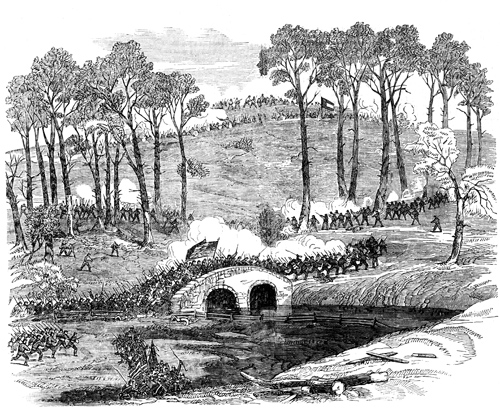
Unknown Artist
October 18, 1862
The intricately detailed battle scene above was published a month after the Battle of Antietam took place. The original caption from the October 18, 1862, issue reads: “Battle of Antietam, Maryland. The above, engraved expressly for the Post from ‘Frank Leslie’s Paper,’ [an illustrated newspaper of the period] represents Burnside’s division carrying the stone bridge over Antietam Creek, and storming the rebel position in front of the left wing of our army.”
[For more about the Battle of Antietam, see Jeff Nilsson’s 150th anniversary report.]
The Native American Who Became a General
Although lithographer Louis Kurz was a veteran of the war, his prints were not accurate depictions of its battles because they were highly romanticized. But Kurz did get something right in his depiction of the Battle of Pea Ridge: Native Americans did fight in the war.
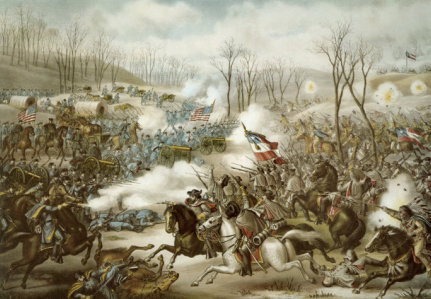
Kurz and Allison
January 14, 1961
It may surprise most people today that Native Americans joined this battle. But the Confederacy promised a measure of autonomy for Native Americans and some restoration of land. Those Native Americans who chose to fight with the Union, hoped to improve their lot by rising through the ranks of the military. “All together, more than 10,000 Indians—some put the figure as high as 15,000—participated directly in the Civil War on one side or the other. Most served west of the Mississippi. The Confederacy regularly enlisted at least 5,500 [as] cavalrymen. Some 4,000 Indians are known to have served in the Union infantry. As the figures indicate, the war split the tribes as well as the states. Many were torn by doubts and questions of allegiance,” Ashley Halsey Jr. writes in the 1961 Post article “The Braves in Blue and Gray.”
One such Native American who volunteered to fight was Seneca chieftain Donehogawa. He was coldly turned down by Secretary of War Edwin M. Stanton. This didn’t discourage Donehogawa, Halsey writes, as he was accustomed to being turned down “for simply being an Indian.”
Donehogawa (whose “white name” was Ely S. Parker) went on to study civil engineering and took a government job in Galena, Illinois. There, Halsey writes, “he befriended a former Army officer who was so down on his luck that he worked as a humble clerk.”
When he returned to his tribal reservation in New York, Donehogawa yet again requested to fight for the Union. And again he was turned down, this time by the governor of New York. “The governor, perhaps mindful that there were still some voters whose parents had been tomahawked in past wars, flatly declined to send [him] on the warpath even to save the Union.”
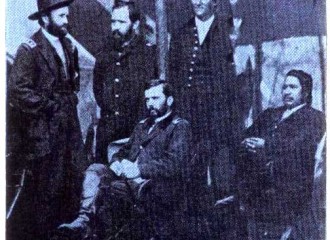
Not until 1863 (two years into the war) did he “manage to wangle a commission as a captain of engineers,” Halsey writes. “Quite likely the clerk whom he had befriended at Galena helped him. For by now the former clerk spoke with authority and influence. His name was Ulysses S. Grant.” From that point on, Lieutenant General Donehogawa rode beside Grant in battle as Grant’s military secretary.
“Fate reserved a modest place in history for the hawk-faced Indian,” Halsey writes. “At Appomattox, the senior adjutant, Col. T. S. Bowers felt so overcome by emotion that his hand shook. He could not write. So [Donehogawa] took the penciled draft of the surrender terms, as set down by Grant, and ‘transcribed in a fair hand the official copies of the document that ended the Civil War.’”
Reflecting on the time of surrender, Donehogawa said, “After Lee had stared at me for a moment, he extended his hand and said, ‘I am glad to see one real American here.’ I shook his hand and said, ‘We are all Americans.’”
Maurice Bower
June 1, 1935
© SEPS
The Last Civil War Veteran
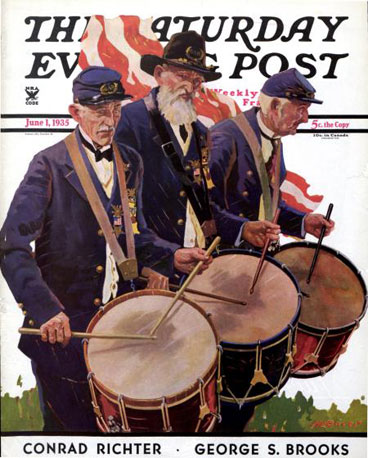
The first Memorial Day—then called Decoration Day—was celebrated on May 30, 1868, three years after the last battle of the Civil War (April 1865). It was established, by the largest Union veterans’ organization: the Grand Army of the Republic. (Note the GAR hats of the three Civil War veterans at right.)
Membership to the GAR was restricted to those who served in the military during the Civil War. And although the veterans in the 1935 cover may appear elderly and even frail, the group had powerful political influence as one of the first organized advocacy groups in the United States. The group dissolved in 1956 when the last surviving veteran died. His name was Albert Woolson, and he was 109.
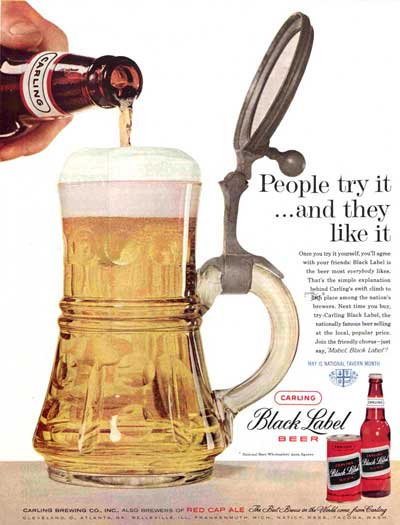
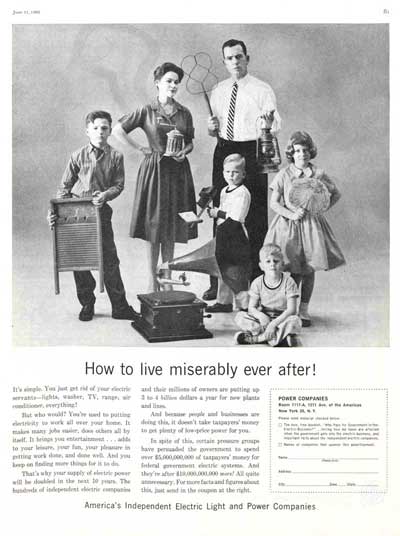
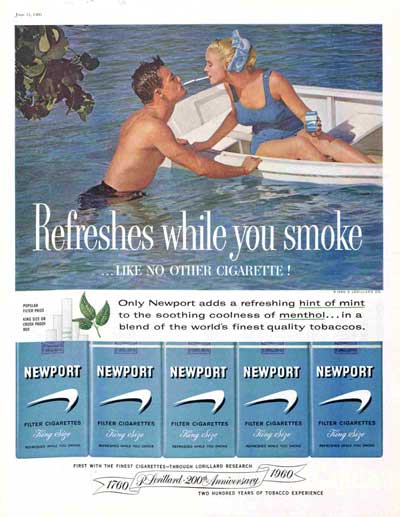
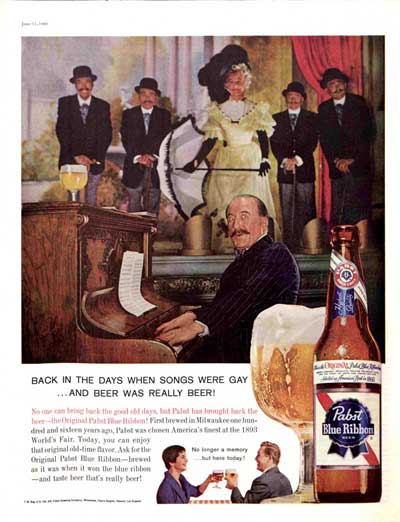
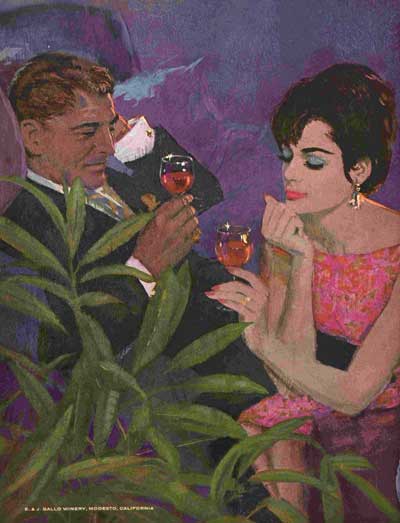
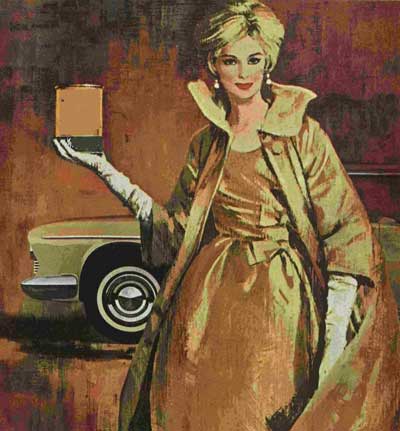
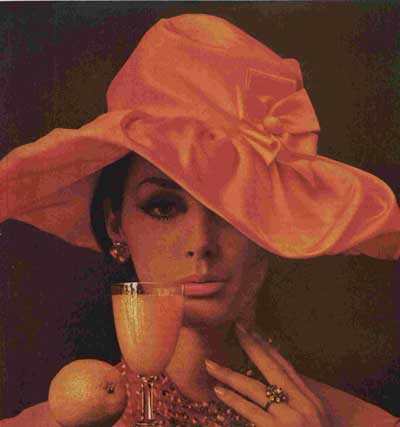
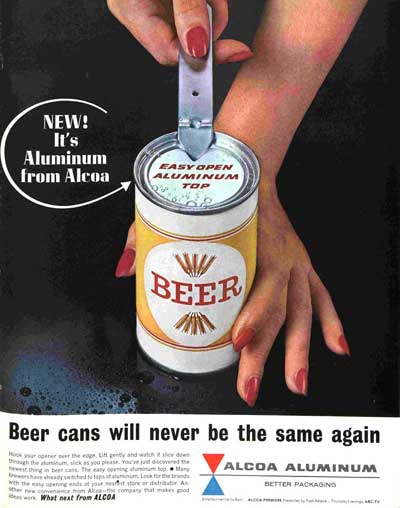
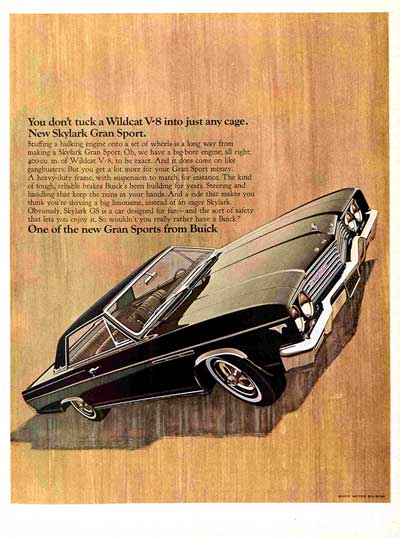
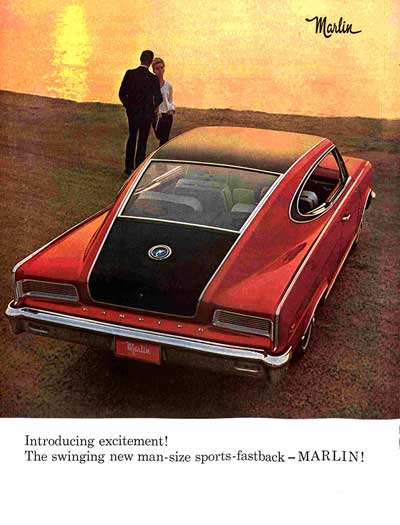
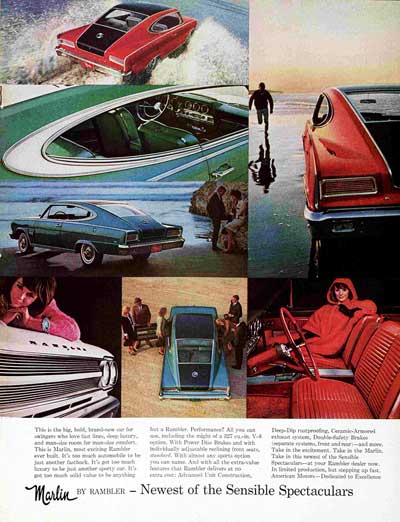
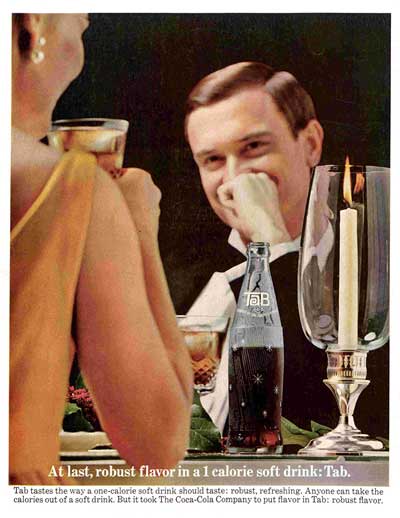
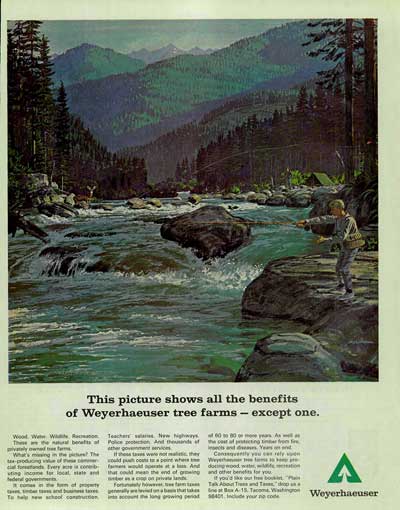
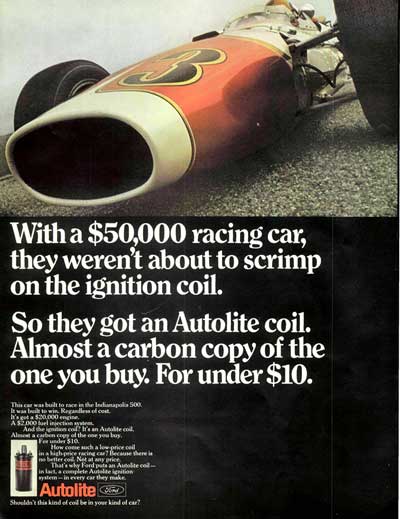
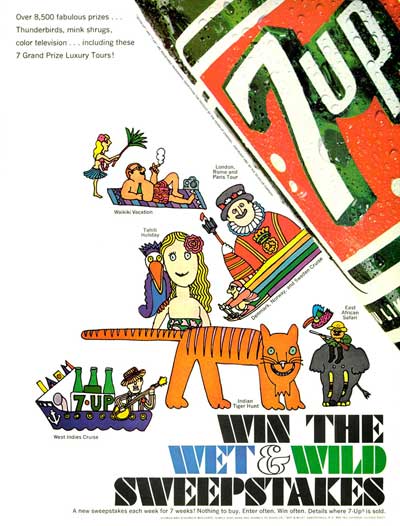
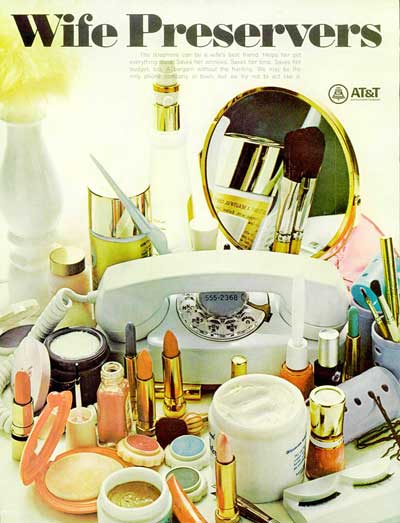
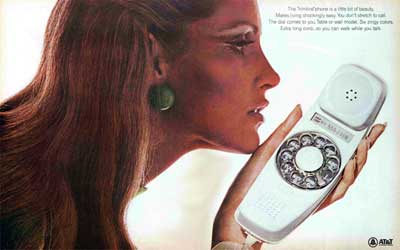
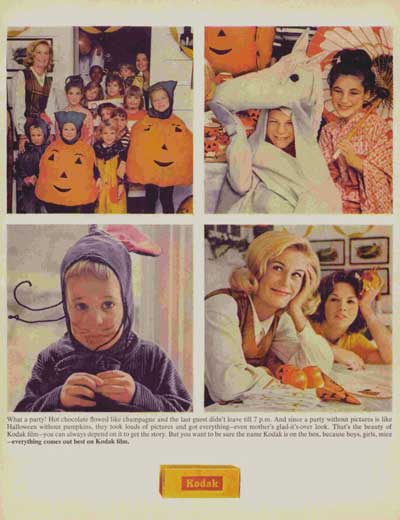
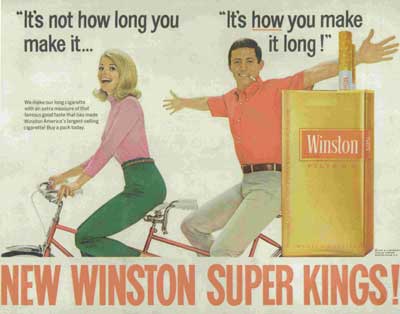
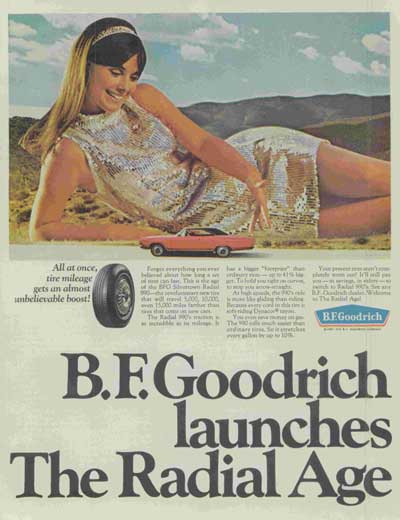
Mad Men-Era Advertising
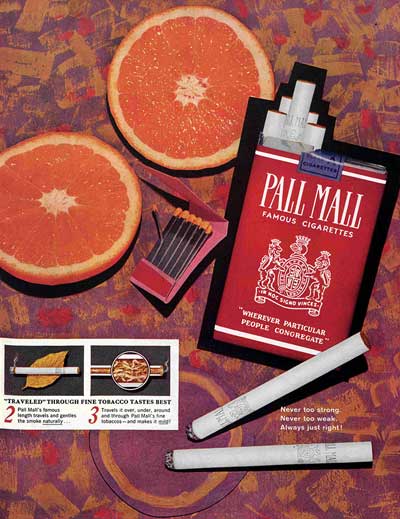
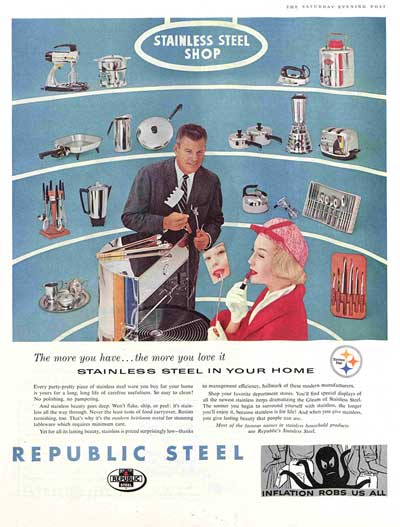
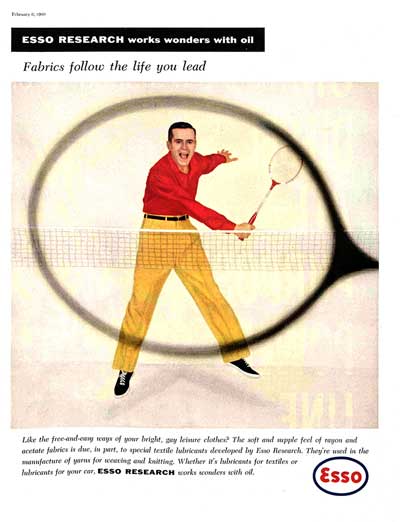
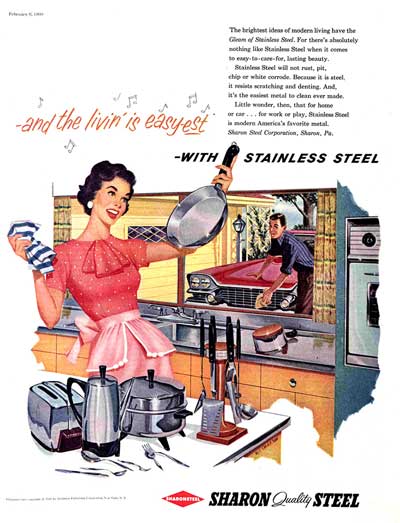
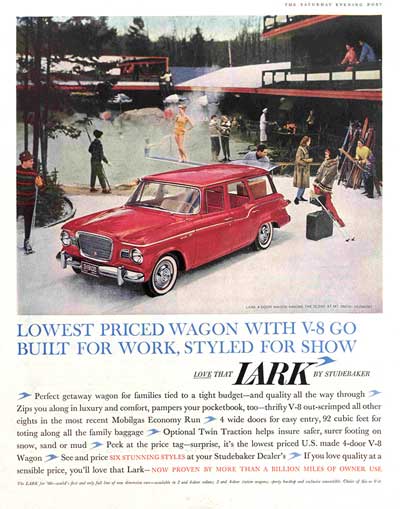
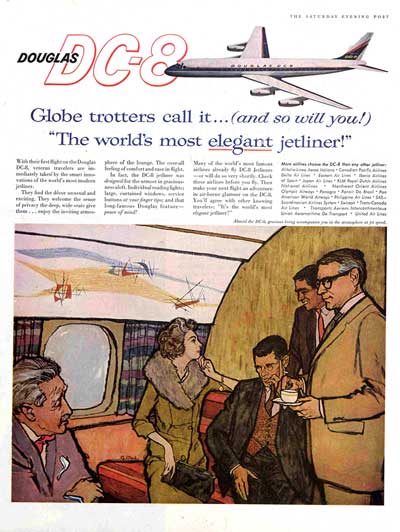
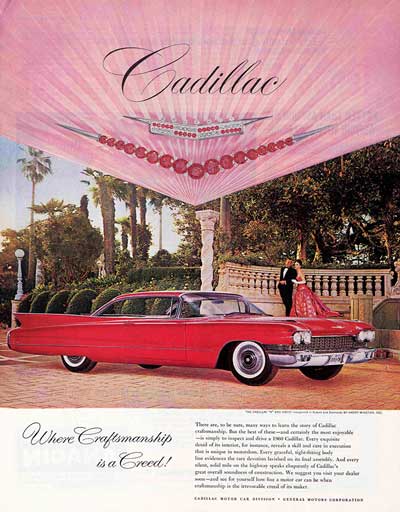
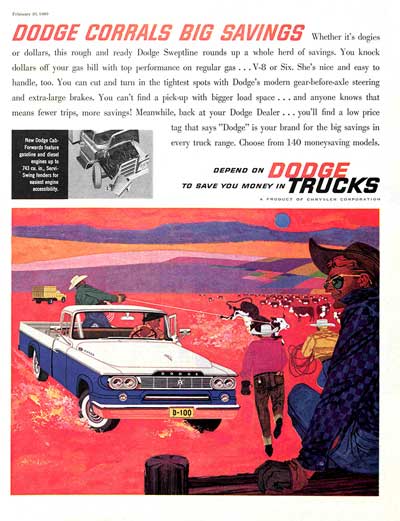
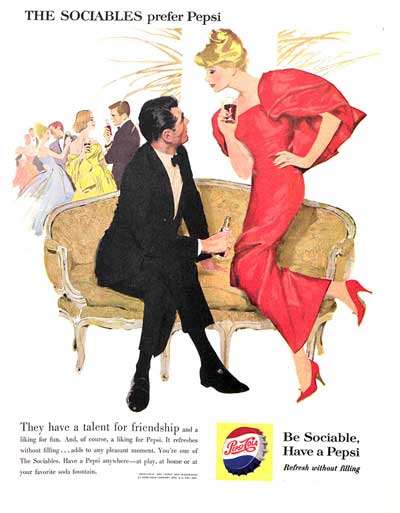
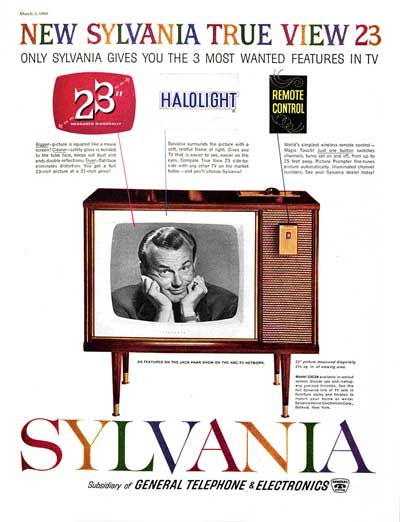
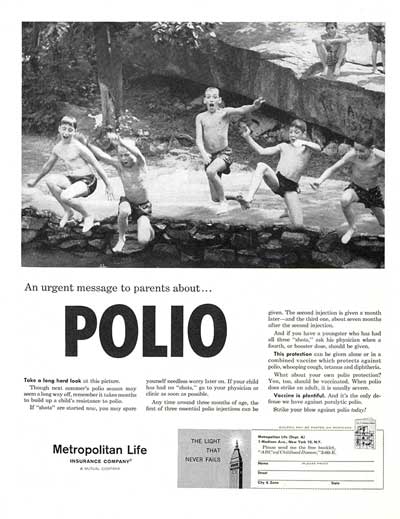
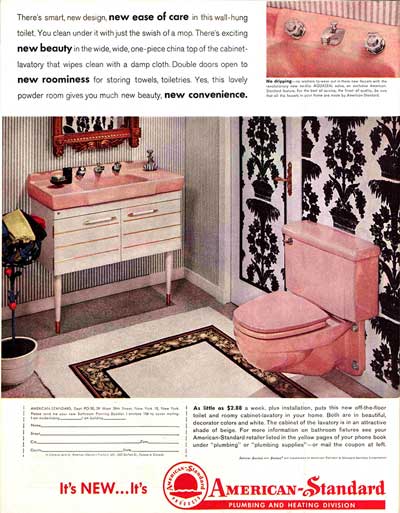
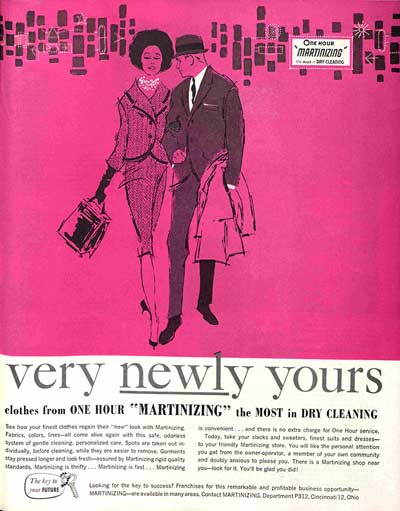
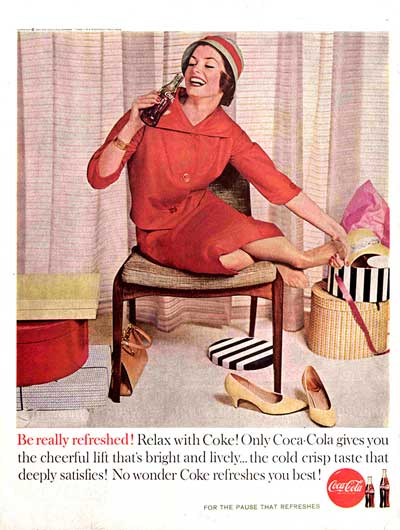
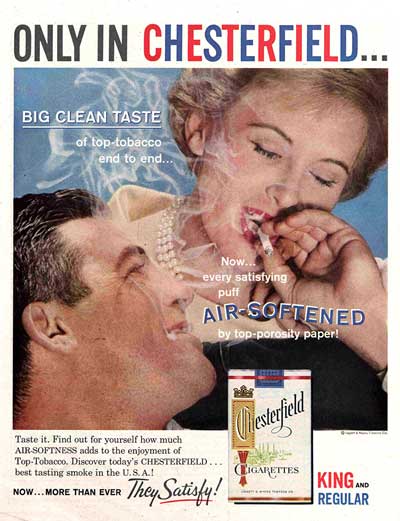
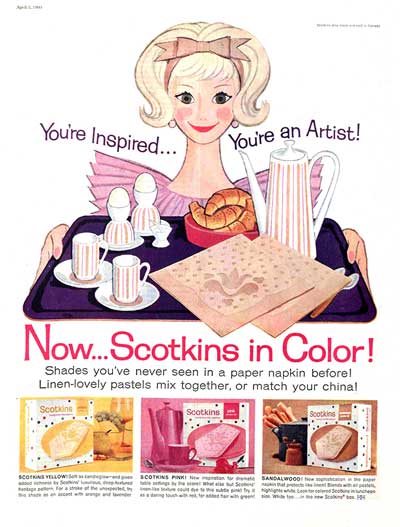
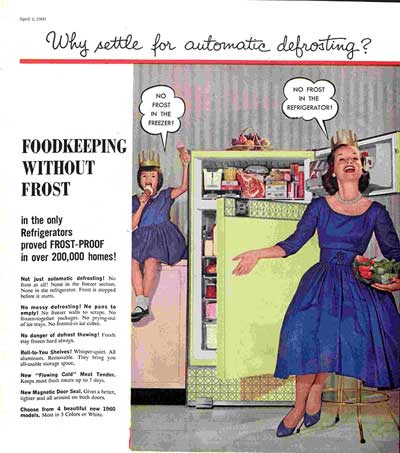
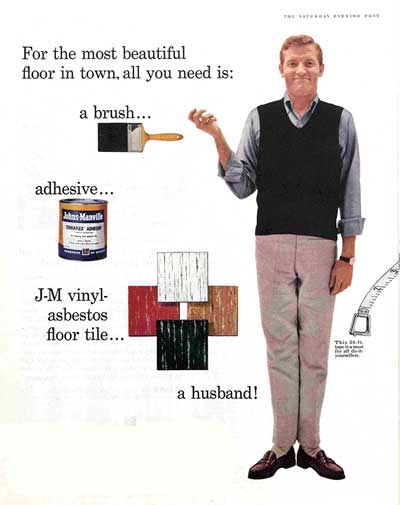
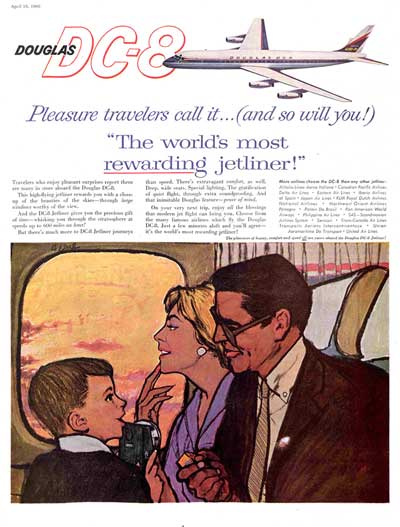
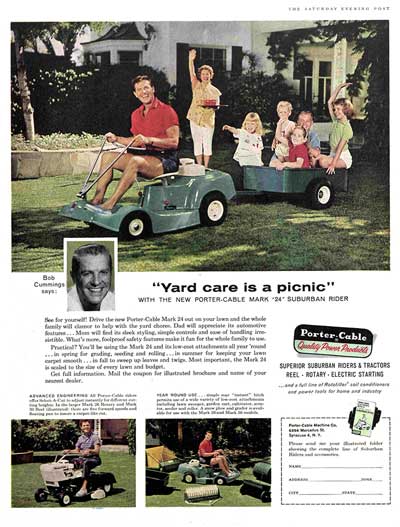
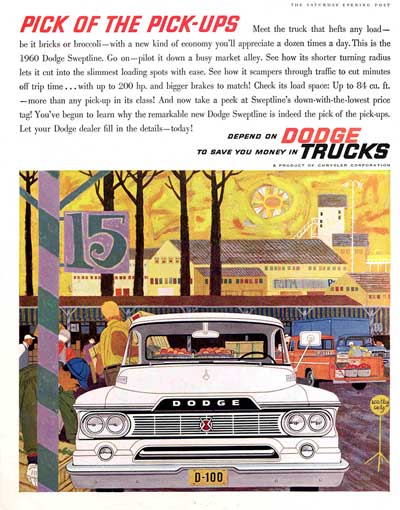
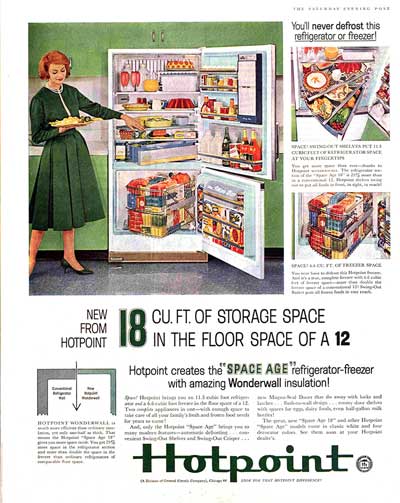
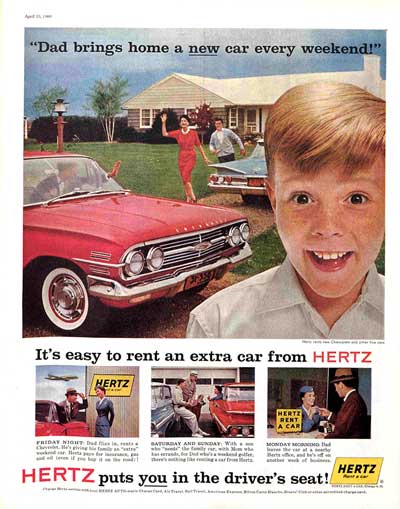
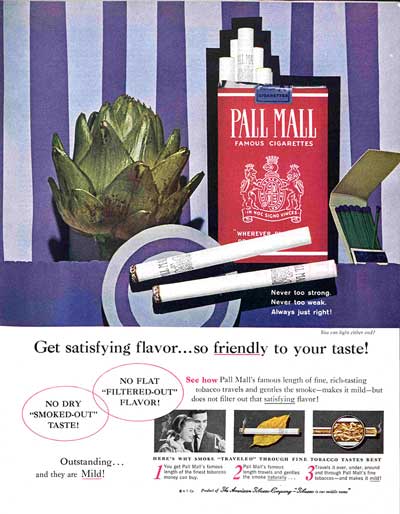
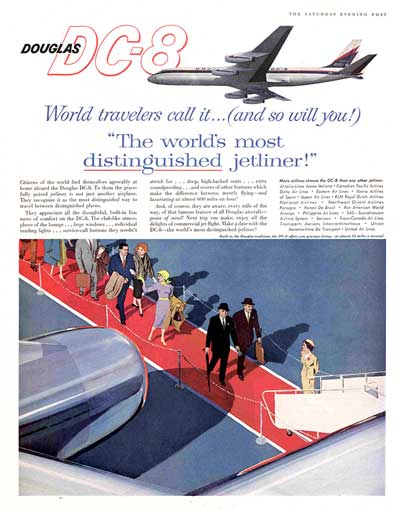
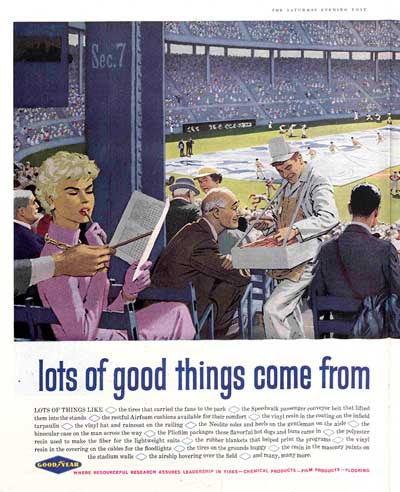
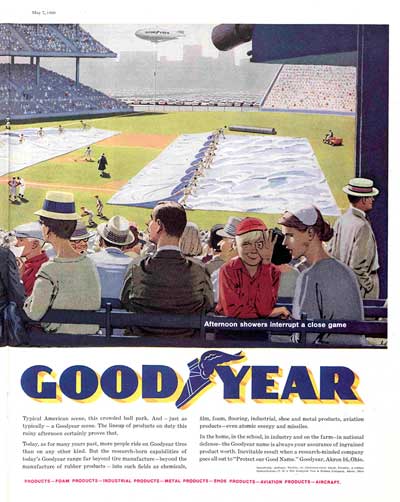
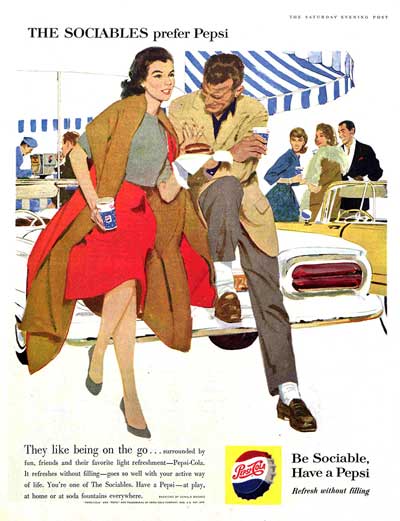
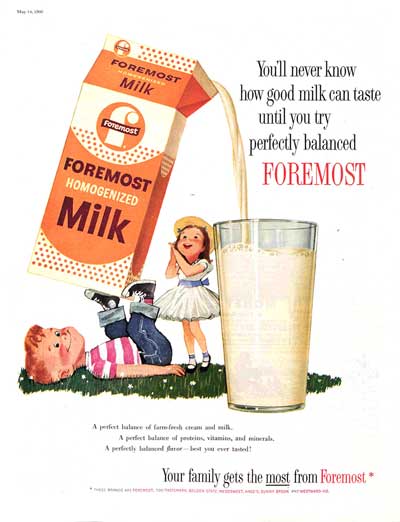
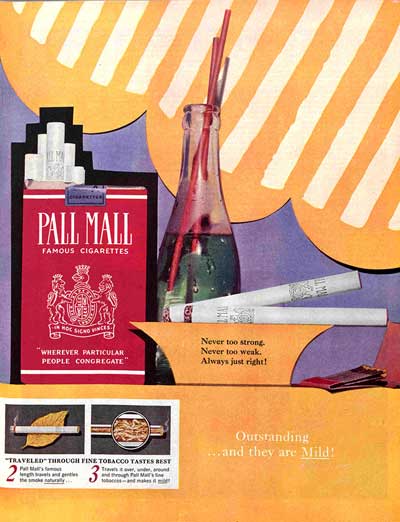
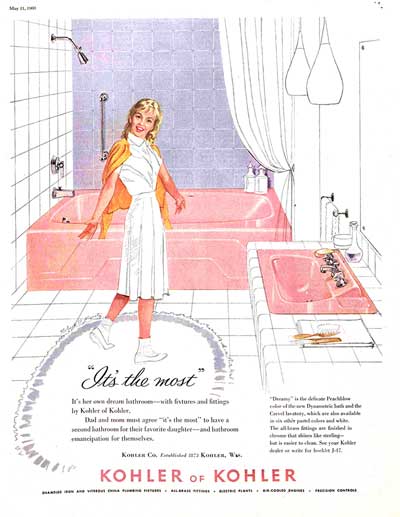
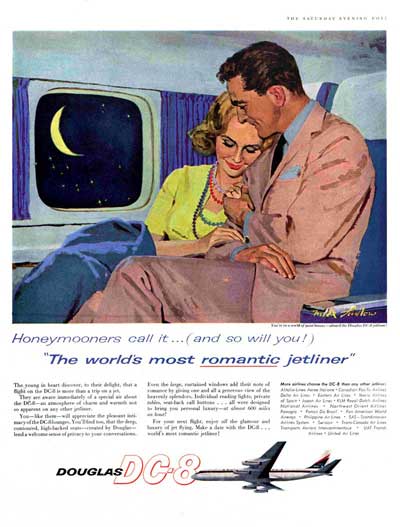
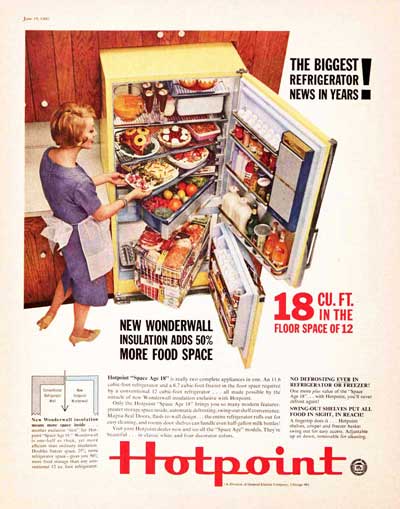
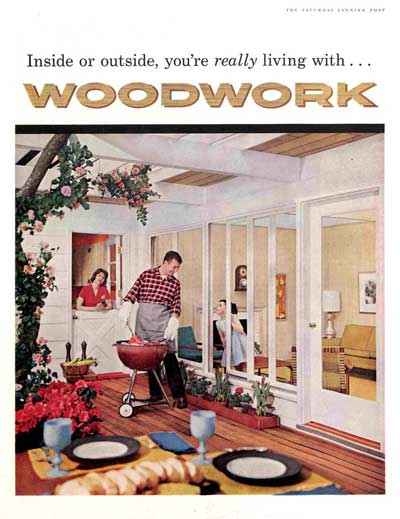
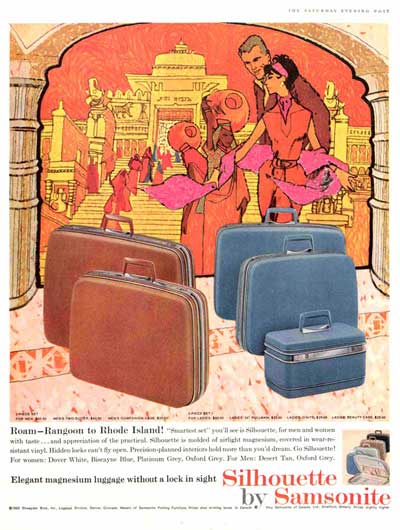
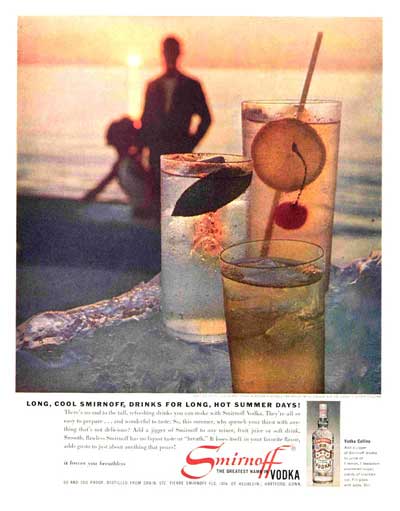
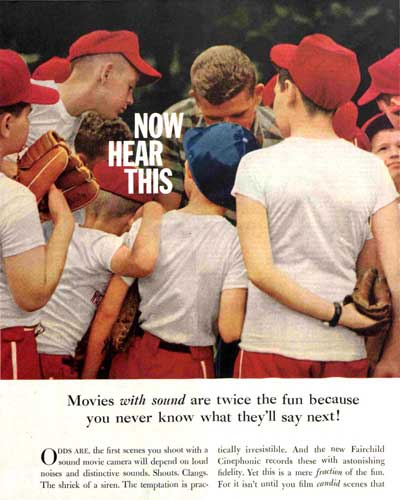
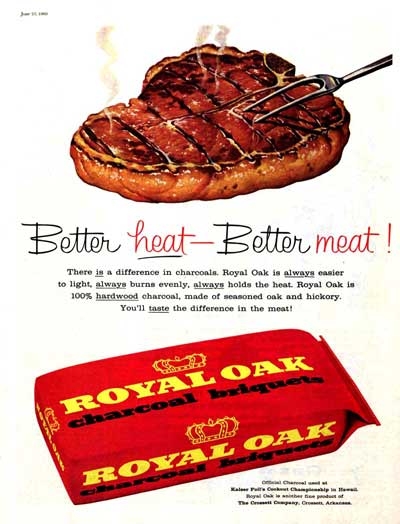
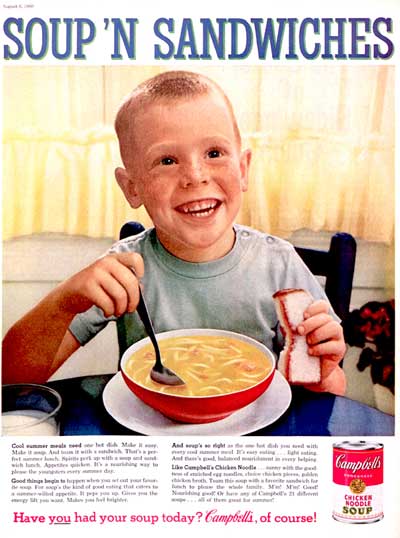
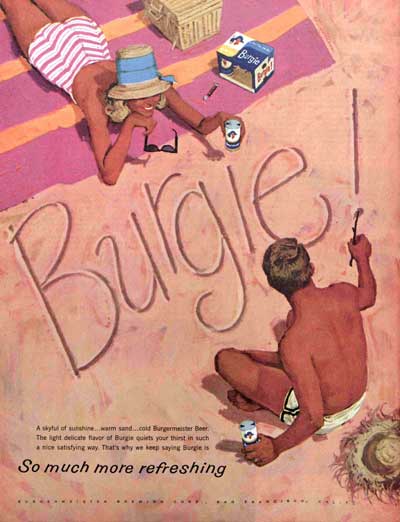
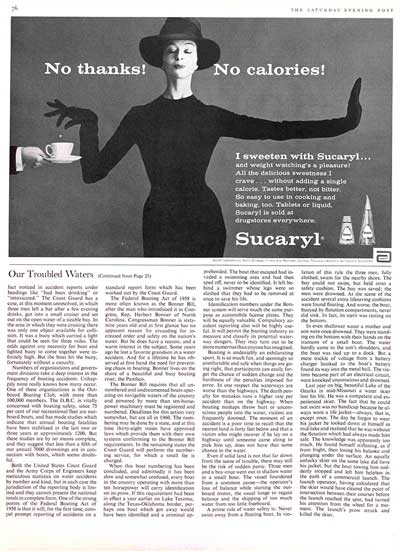
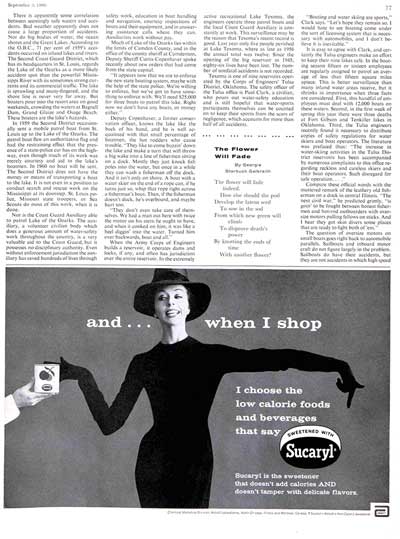
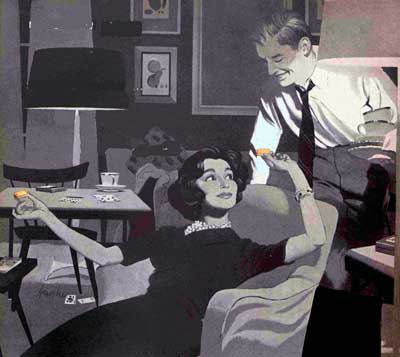
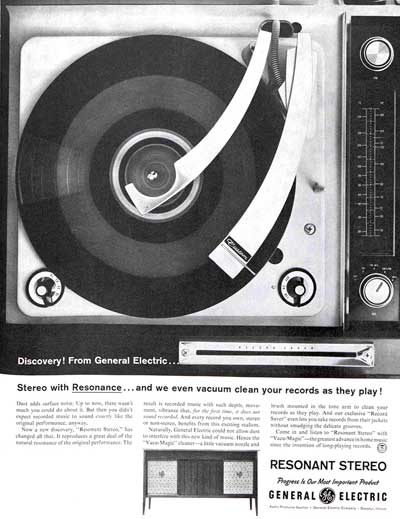
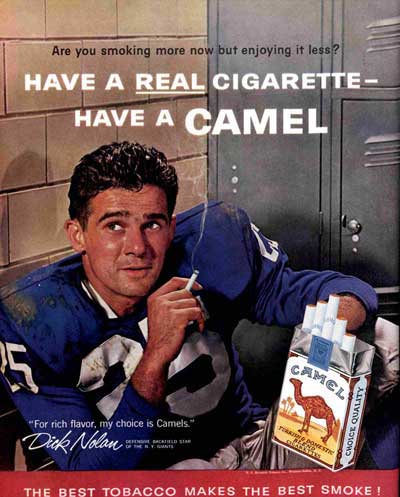
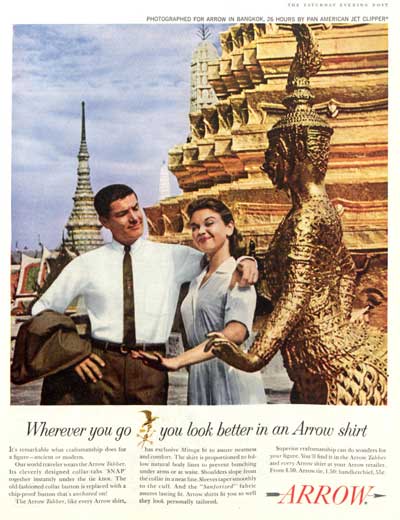
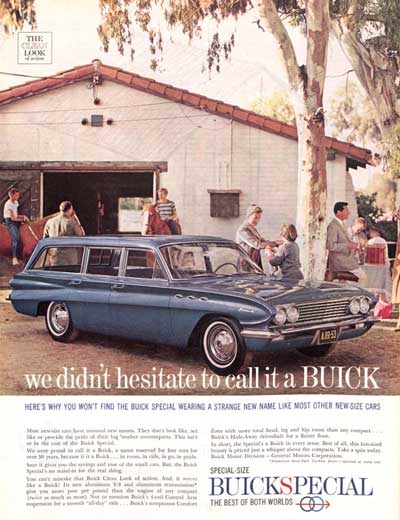
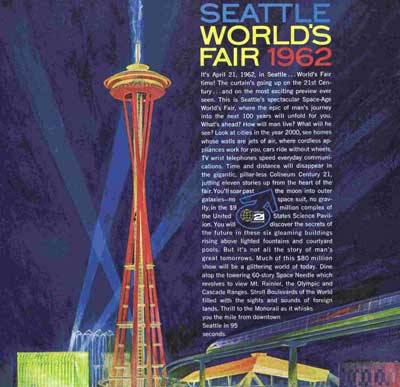
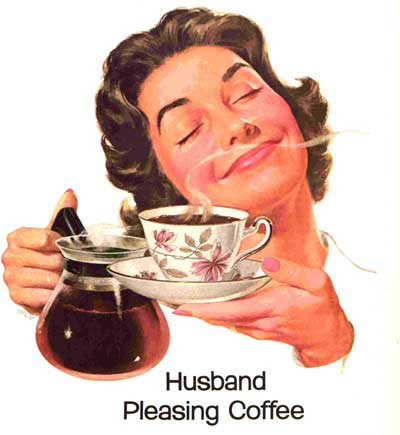
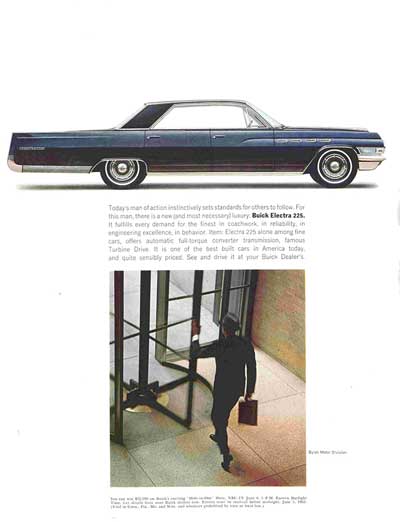
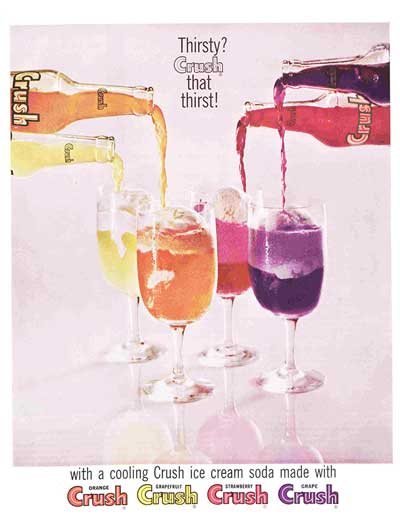
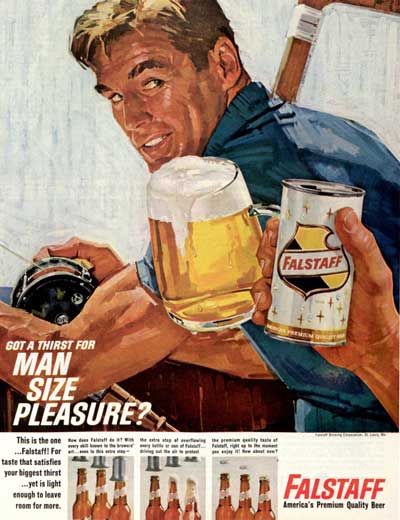
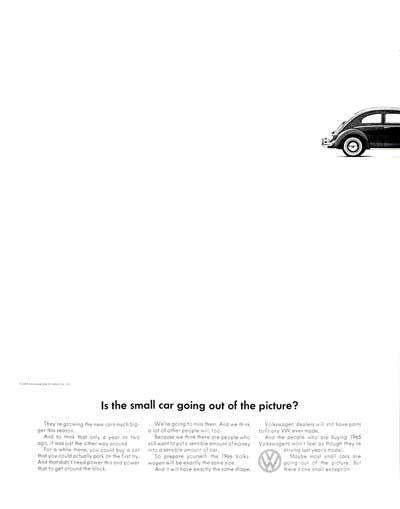
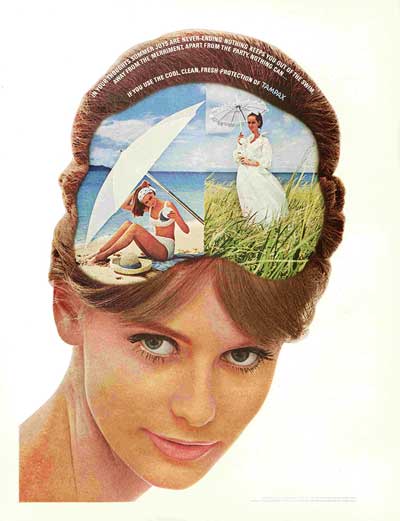
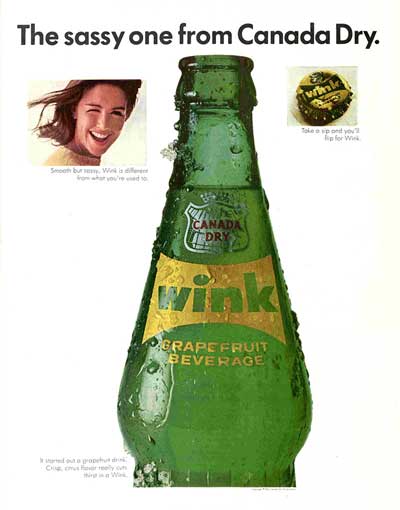
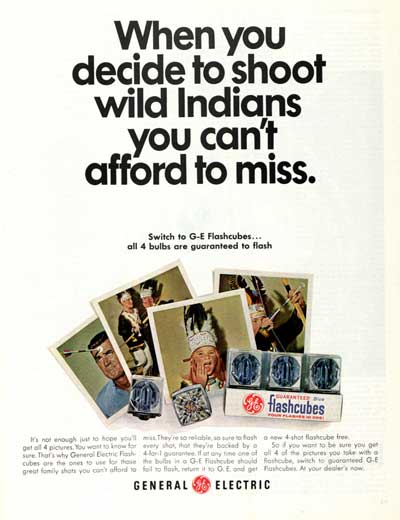
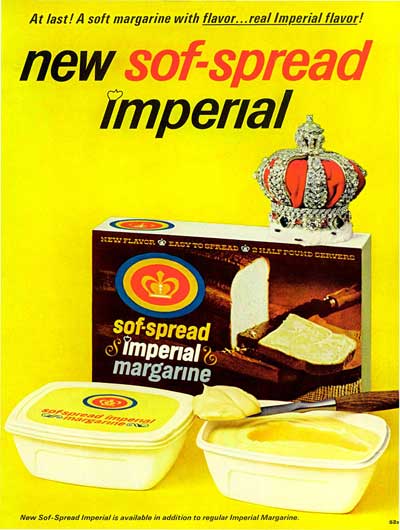
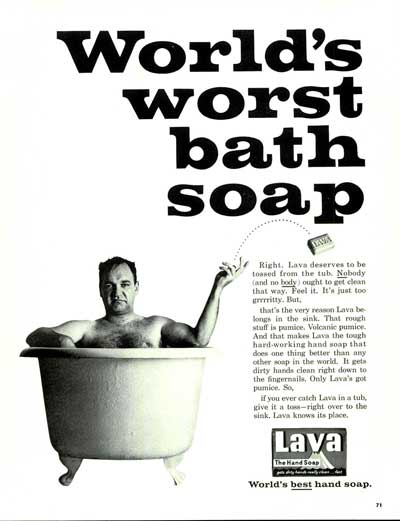
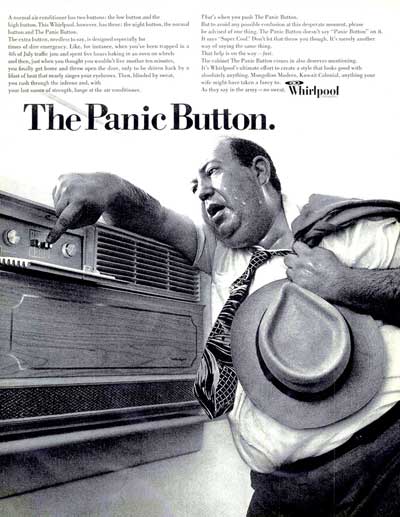
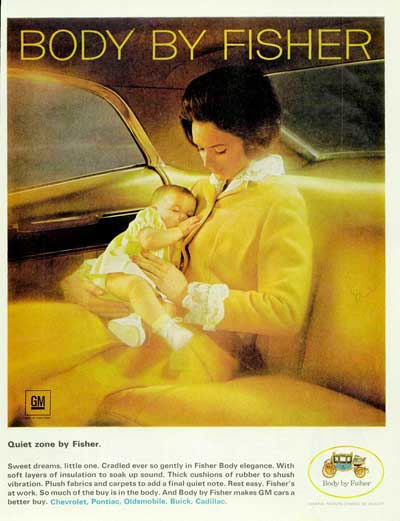
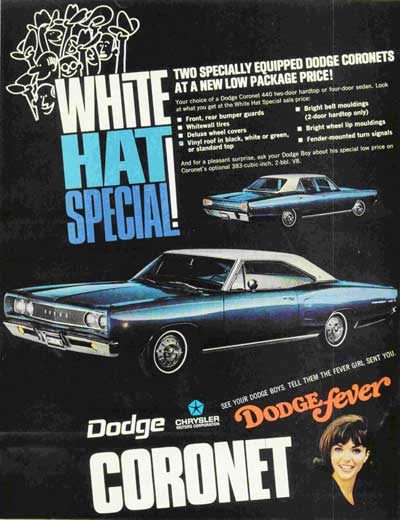
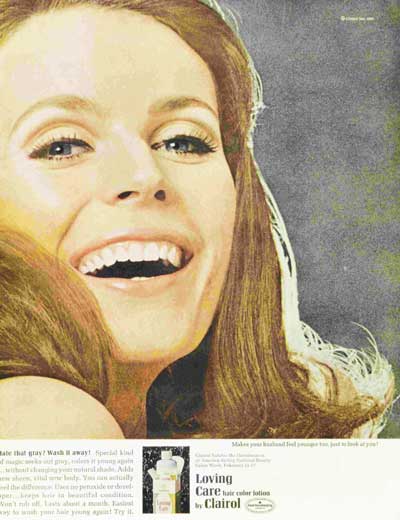
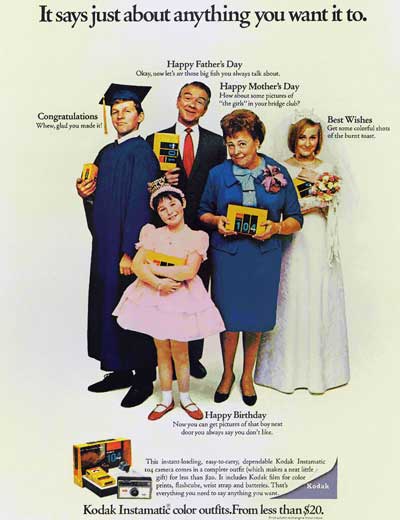
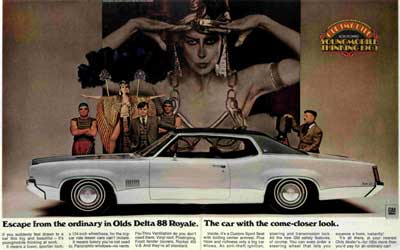
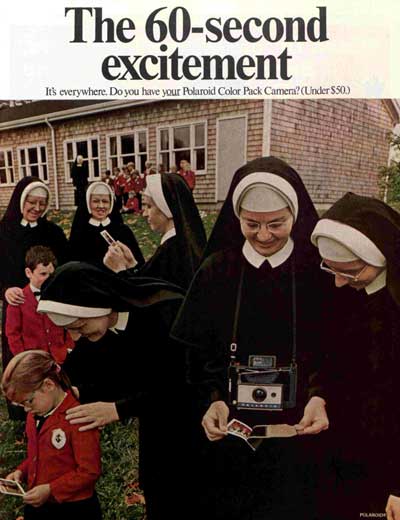
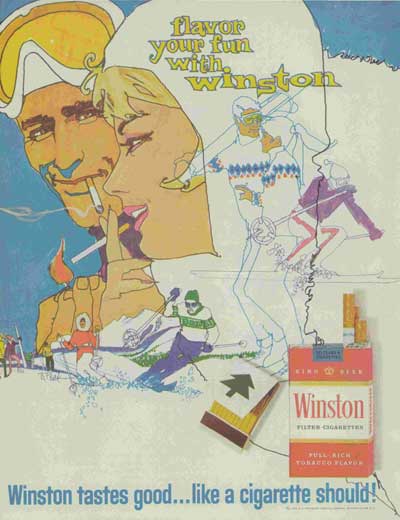
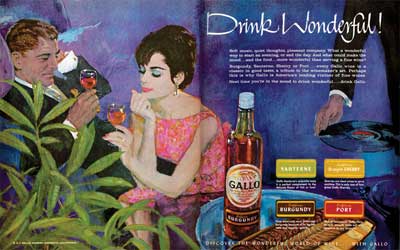
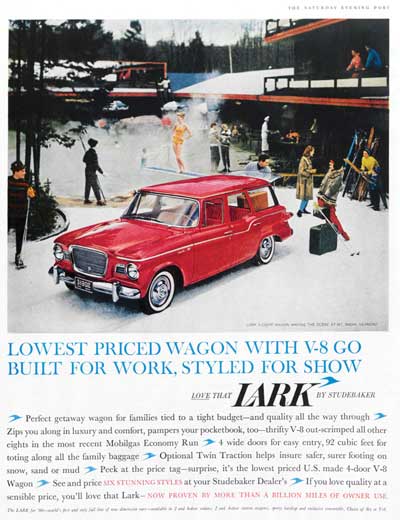
Set in the 1960s, Mad Men follows the ruthlessly competitive world of New York City’s Madison Avenue. Here’s a look at real Mad Men-era ads from the archives of The Saturday Evening Post.
Also: Meet Mad Men Creator Matt Weiner and catch up on details about the retro drama, life at home, and what made the writer aim so high.