Every now and then, a TV show is beloved by so many people that it transcends the screen to become a cultural institution. These shows weren’t just popular when they originally aired; their success has endured, and even increased, in the years since they first appeared in audiences’ homes.
Two such shows, The Golden Girls and Gilmore Girls, are celebrating major milestones this year. The Golden Girls turned 40 this month, while Gilmore Girls turns 25 in October.
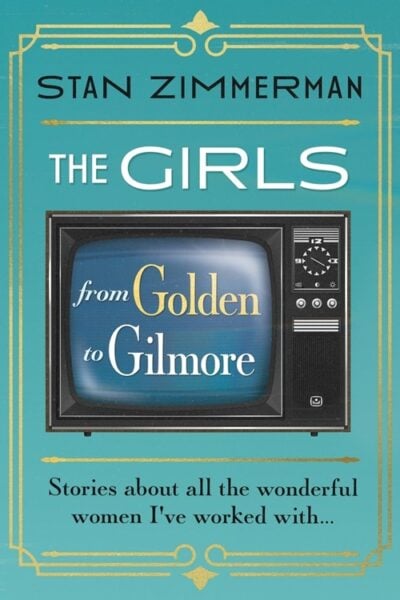
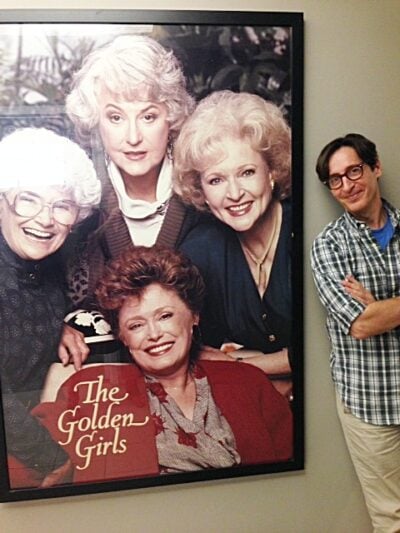
In celebration of these shows, The Saturday Evening Post sat down with WGA Awards-nominated comedy writer and producer Stan Zimmerman, who worked on both shows, to talk about his experiences writing for television and the importance of heartfelt storytelling. Zimmerman is also the author of a memoir, The Girls: From Golden to Gilmore, where he details his relationships with some of Hollywood’s most notable women.
The Saturday Evening Post: Several of the shows that you’ve worked on — The Golden Girls, Gilmore Girls, Roseanne — have transcended that level of being a television program and become cultural institutions that have endured for years. What’s it like to have been part of those projects that have reached so many people?
Stan Zimmerman: I’m so proud of the work we did on all those shows. When you’re a writer, you’re lucky if you can work on one TV show that’s a hit, but these three shows, and even The Brady Bunch and movies have just gone to another place. It’s really hard to explain. I think a lot of it is due to the writing and not just me, but the great people that created those shows — Amy Sherman-Palladino creating Gilmore Girls and Susan Harris writing the brilliant pilot [for The Golden Girls] and all the wonderful actors and everybody that worked on them.
SEP: You and James Berg wrote “Adult Education,” an extremely impactful episode of The Golden Girls that tackled a very serious topic [sexual harassment]. What do you remember about the writing process for that episode, and how it was received at the time?
Zimmerman: We had luckily gotten a freelance episode, which means you go in and you pitch a bunch of ideas, and if you’re lucky, they pick one of them, and they have you write that episode. You’re not on staff. You’re not in the room. My writing partner, Jim Berg, and I were smart enough to know the show was not even on the air yet. So there was only the pilot episode to watch…and because Jim and I were raised properly, we were taught to do your homework, and also we were poor and we couldn’t afford to do anything else, so we went to every taping that we could. We got to see how they were developing those characters in the second and third episode, and then we added those characterizations to our script immediately. And I think the writing staff saw that.
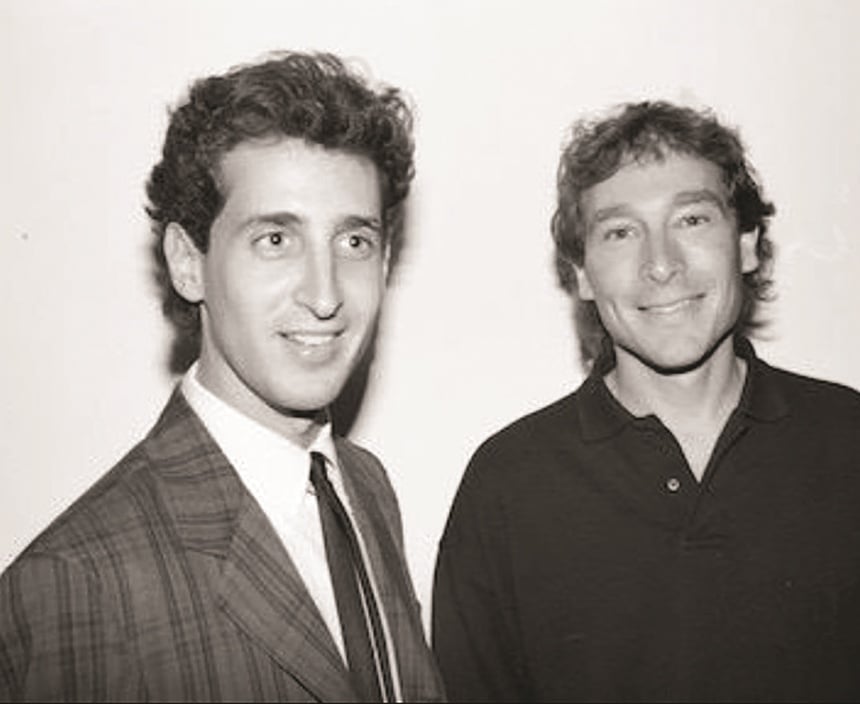
Here are these two young, new writers, and they understand the language of the show. We have to bring them on staff. It’s very hard to get writers to do a really polished first draft, because it’s also almost near impossible when you’re not there every day to hear how the characters are being developed. So, we went on staff right away.
Then, one of the first times we were down on stage, Rue McClanahan (who played Blanche on The Golden Girls) comes marching over to us. She said, “Don’t be afraid to challenge my character.” You know, especially in the first season of a TV show, you’re just developing where those characters can go and who they are, and you’re kind of melding them to who the actors are as well. Jim and I were young and just soaking up all this information and treating The Golden Girls as if it was like a sitcom writing class in college. But there we were on a major TV show, and we went back to our office, and I remember we thought about, “who is Blanche? What is her number one thing that she loves? Having sex. So, what situation could we throw her in where she would naturally go to that to solve the problem? But she just couldn’t.” And that’s how we came up with that episode.
And we took that to every writing job we ever had. Just challenge the characters, almost paint them into a corner and see how they get out of it. And that’s how you get to learn a lot about who those characters are.
SEP: I saw you mention in an interview that, when you were starting out as a screenwriter, you didn’t think you were a funny writer. Was there a moment where you realized you were a strong comedic writer?
Zimmerman: I still don’t. I know people find it surprising. They say, “But you made a career writing comedy!” I think it comes from writing the comedy coming from characters. To be more specific, I don’t think of myself as a joke writer, although I’ve had experiences where I have helped people. The wonderful actor Michael Urie, when he hosts these award shows, he came to me and said, “What would you do with this?” And we just started writing new jokes for those experiences. But especially on a show like Roseanne, the jokes had to come from character. And every show they have to. You can’t switch one character’s line with another. They’re specific to who those people are.
SEP: One bit that you and James Berg are often credited with on The Golden Girls is the “Dorothy gives a look” running gag. Is there another bit that you’re responsible for that you’re equally proud of or that you think has grown in the way that that bit did?
Zimmerman: I think early on, we were aware that Rose told long stories. It’s kind of shocking that we just picked up on that right away, because there weren’t many examples of it in the beginning of the show, but there were some funny bits where she told stories, and we thought, we have to make fun of this. So we did a whole beat where Blanche just tells the story quickly, and then says, “Rose, that’s how you tell a story.” It was really fun to pick up on that, and then, years after we left the show, that became a thing of all the crazy St. Olaf stories.
SEP: Gilmore Girls is another show of yours that has had such enduring popularity. You’ve said that you think it endured because of its character-driven relationships, its female-centered ensemble, and its heartfelt stories. Can you elaborate on how those elements drove the show to new heights?
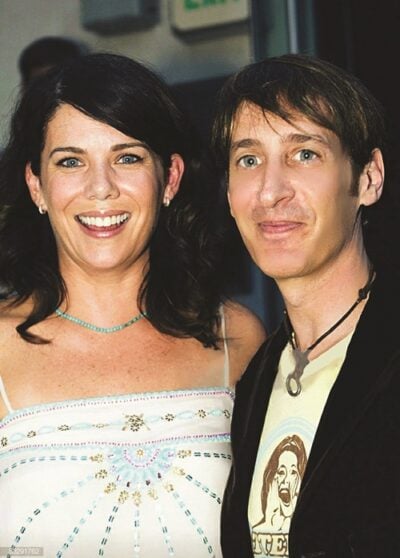
Zimmerman: Unfortunately, back then and still today, there aren’t that many female-driven shows, and for us, I just noticed that the women in my life were much more vocal and in touch with their emotions than the men were. I was drawn to that because I felt I had all these emotions that I wanted to express. When I started creating and writing for TV and other mediums, I naturally felt like, well, those are the characters I want to write. They just seemed much more interesting. It’s not fun to write a character that’s shut down…I think that’s why we’ve gravitated to those stories — the characters are so interesting and nurturing and complicated and there are great relationships. I mean, Amy Sherman-Palladino created such a great dynamic between the grandmother, the mother, and the daughter, and the whole idea that she set up in the pilot that Lorelei needed the money to keep Rory in school, so she had to go to a Friday night dinner. I mean, it’s such a great setup. You knew every Friday they had to go to that house, and there was going to be something said in that dining room that was going to kind of create a little bit of drama and lots of comedy as well.
SEP: How do you approach writing characters when you don’t necessarily have that reference material? How do you bring that voice out?
Zimmerman: That’s a whole different art. I mean, it’s one thing to be able to copy someone else’s writing style, and that takes a real craft, and then there’s creating your own. Some writers are just good at writing other people’s characters, and then others are good at creating their own. I like to do both. It’s very exciting, especially when you have the opportunity in a TV series. You know, when you write a movie or a play, it’s kind of a one-off you write. That’s the story, that’s all you get to know about those characters. But in a TV series, you can peel away all the layers, and hopefully you have multiple episodes…that’s what I thought was so exciting about Roseanne. The storytelling is that she wanted the show to be like real life, so that people die, people get new jobs, etc. They have friends come in and out of their lives. I think television before that had been much more formulaic. And if I had a criticism about The Golden Girls, it was that they were kind of stuck in those characters. They didn’t really get to change that much. That was just television at that time.
SEP: You’ve often been ahead of your time as a writer with episodes like “Adult Education” and “Don’t Ask, Don’t Tell,” and with a lot of theater projects that you’ve worked on. Why do you think it’s important to have important social conversations in media and in entertainment?
Zimmerman: That’s another lesson I learned on The Golden Girls: to challenge your audiences. Sometimes you are ahead of the curve. But also, we learned on The Golden Girls that, when you make people laugh, their hearts and their minds kind of expand a little bit, and they’re not so rigid, because they’re laughing, and suddenly they’re taking in information. And I can’t tell you the stories I’ve heard from members of the LGBTQ+ community that they got to watch The Golden Girls with their grandparents and just laugh together and share something together. I feel really lucky to have been involved in a show like that.
SEP: What experiences do you take from one job to the next?
Zimmerman: I think with every job, and even now on stage with theater and TV legends doing my play Right Before I Go, it’s putting fear off the table and really listening and being in the moment. Know you belong here and allow yourself to experience everything as it happens. I think we kind of get in trouble if we live in the past or the future, but if you’re right here, right today, it’s joyous. It’s happening. It’s exciting.
SEP: What’s an experience that you haven’t had yet in the entertainment industry that you want to have?
Zimmerman: I would like to direct a play on Broadway. I’m close to getting there.
SEP: Do you know what play that would be?
Zimmerman: It doesn’t even have to be one of my own. I’ve been doing a production of The Diary of Anne Frank since 2018. I’ve done nine iterations of that production. And teaching kids about her story is so important. When I found out that they no longer required students to read the diaries, it shocked me. That’s why I’m pushing so much to have school groups come and see the play. And to me, there’s nothing better now than being in the theater live with other human beings and hearing them laugh or hearing their tears. Feeling emotions and having that shared experience is such a cool, wonderful thing that I feel is so needed today. Like, where can we all come together and have that experience? We’re so used to being in our homes or on our phones that are all very separate, and I think that kind of feeds into us being separate in the world. So, when you come into a theater together, you’re stuck in that room. You have that experience, and then you leave, and that’s gone, but it’s there for that moment and it’s always in your heart.
Become a Saturday Evening Post member and enjoy unlimited access. Subscribe now