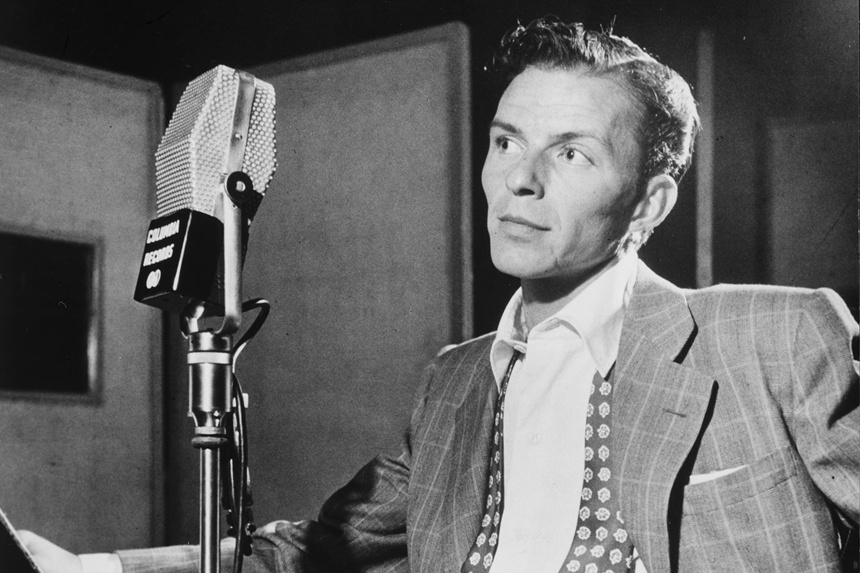
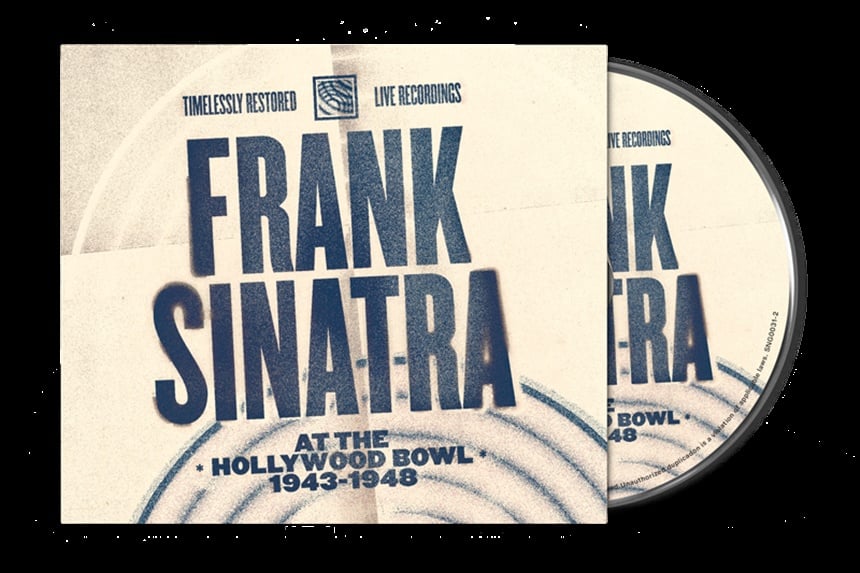
Christmas comes early for fans of Frank Sinatra with the October 3 release of At the Hollywood Bowl 1943-1948 on vinyl and CD. The vinyl edition features 11 tracks; the CD features 18 tracks, two of which are bonus songs from a 1943 NBC Radio broadcast.
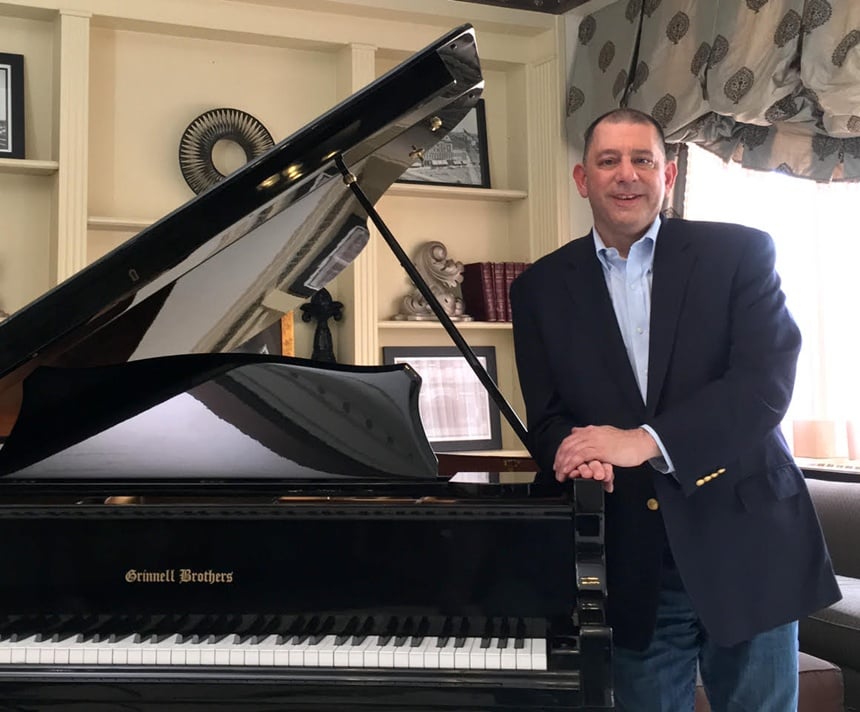
Previously unreleased commercially, the recordings on At the Hollywood Bowl are “missing pieces of musical history,” notes Charles L. Granata, who wrote the liner notes and is considered the leading expert on the iconic singer and actor. He currently hosts Sinatra Standard Time Sunday nights on San Diego jazz radio station KSDS. He is the author of the definitive Sessions with Sinatra: Frank Sinatra and the Art of Recording and is currently working on a follow-up, The Ultimate Sinatra Listening Guide.
At the Hollywood Bowl comprises recordings originally transcribed for radio or distributed overseas to Armed Forces Radio in the mid-1940s. Since then, they have been in circulation as bootleg recordings among collectors. “They have never been heard in this high-quality sound,” Granata says.
He spoke with The Saturday Evening Post about these unburied treasures from Hollywood Bowl concerts in 1943, 1945, and 1948. They include many then-contemporary songs introduced on the Broadway stage and that have become core tunes of the American Songbook (“The Girl That I Marry” from Annie Get Your Gun, “If I Loved You” and “Soliloquy” from Carousel, and “Ol’ Man River” from Showboat).
Donald Liebenson: What is the significance of these recordings?
Charles Granata: Even though the 1940s represent the moment that Frank Sinatra became a phenomenon, there is very little that survives from his live performances. The 1960s to the early ’90s are amply documented in terms of live concerts, but there is very little 1940s material. It’s one of the missing puzzle pieces in the Sinatra canon.
DL: Where is Sinatra at this point in his career?
CG: He was a different Sinatra in the 1940s. He sang a different repertoire, a lot of ballads and strings. People think of Sinatra at the Sands, recorded in 1966, as the definitive Sinatra live Vegas performance and rightfully so. At that moment, he was at the top of his form and he had really honed his repertoire. At the time of his first Hollywood Bowl concert, he was two months to the day after he signed with Columbia Records. He was straddling the transition from big band singer to solo artist. He had joined Tommy Dorsey’s band in 1940, and in the beginning, people came to dance and hear Tommy Dorsey play his trombone. All of a sudden, Sinatra became the centerpiece of the band. He had a radio show at CBS and now he sets out to have his own solo career. He was one of the first to do that successfully. Within a year, there were lines wrapping around the block in Times Square when Sinatra played the Paramount Theatre.
DL: Was Frank the first non-classical artist to perform at the Hollywood Bowl?
CG: That was Benny Goodman, but Frank Sinatra was the first mainstream pop vocalist to perform there. Sinatra broke the mold and set the stage for a host of other artists that followed him. They chose Sinatra because the Bowl was in dire financial straits. The board and chairwoman, one of the original founders, got together and decided a pop concert with the hottest singer of the moment would be beneficial. From that point on, a Sinatra performance at the Hollywood Bowl was almost always attached to a charity event.
DL: What are your thoughts when you hear these performances?
CG: This is a dynamic moment in popular culture. You can hear the shrieks and screams. You heard it on the early radio shows, but you really hear it on these recordings. The performances here are exemplary. The Sinatra of 1945 is very different from the Sinatra of ’55, who is different from the artist in ’65. At this moment, he was considered a crooner and sang mostly romantic ballads, and this is the perfect snapshot of that moment. He’s supremely confident and maybe a little more relaxed than he might have been in the studio. In the studio he was striving for perfection because he knew that was going to be what people heard for decades and it had to be the best it could be.
DL: It’s interesting to hear that even at this early stage of his career that he is acknowledging the songwriters and plugging Broadway shows of the day.
CG: That is something he did through the end of his career. Frank had tremendous respect for songwriters, and what he did was to record and perform these great songs from musicals of the moment — the foundation of the American songbook — and bring them to people who didn’t have the time or means to come to Broadway. I believe that’s what helped make these songs the classics we consider them to be today.
DL: And what about you? How did you discover Frank Sinatra?
CG: I was a very odd child who begged his parents for phonographs, as I called them, when I was a year or two years old. My mom loved music and loved Frank Sinatra. She had a very nice collection of his Columbia albums and some of his Capitol albums, and that was the start. At 13 and 14, I was a paperboy. A neighbor had a garage sale, which I saw as an opportunity to find records. He had a whole box of Sinatra’s Capitol and Reprise albums. I brought them home and I put on Sinatra’s Swingin’ Session and I was blown away. That was it, I was sold on Sinatra.
Become a Saturday Evening Post member and enjoy unlimited access. Subscribe now
Comments
This really is a nice October surprise ahead of the Holidays for Sinatra fans of an important, missing (until now) section of his career. It’s also a ‘new’ connection to fans of the Forties and its music otherwise. I really appreciate your great interview here Don with THE expert himself, Mr. Granata. Thank you so much.