Steve Weisman is a lawyer, college professor, author, and one of the country’s leading experts in cybersecurity, identity theft, and scams. See Steve’s other Con Watch articles.
Cryptocurrency automated teller machines have been around since 2012 when the first one was installed in a Vancouver coffee shop. Today, there are more than 40,000 cryptocurrency ATMs in the United States according to Poidata.io, with Bitcoin ATMs being the most popular.
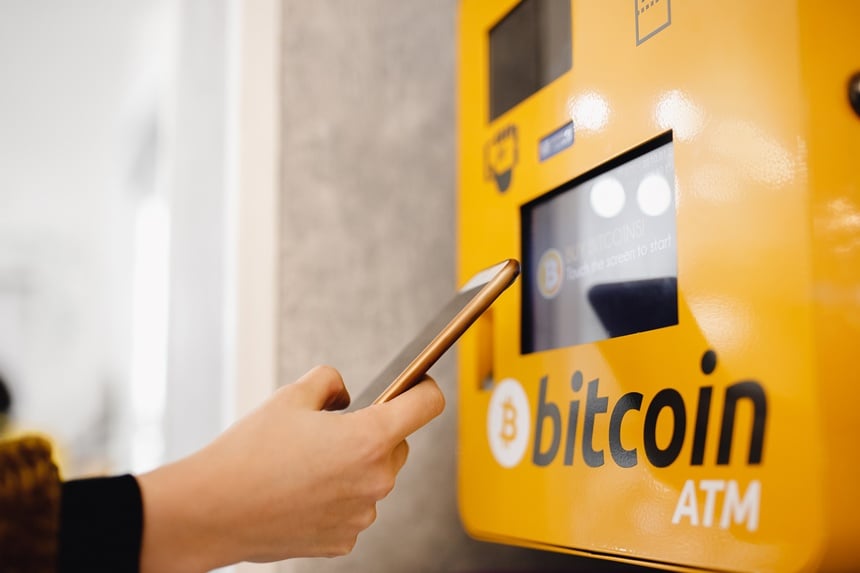
Cryptocurrency ATMs look and operate like a regular bank ATM. You can insert cash and have it converted to Bitcoin or other cryptocurrency and have those funds sent to a cryptocurrency wallet of your own or someone else’s. Due to the anonymity and immediacy of the transfer, it is a favorite method of payment for scammers. According to the FBI, total losses involving cryptocurrency ATM scams in 2024 were $246.7 million, with complaints of cryptocurrency ATM fraud increasing 99 percent over 2023. Losses for the first six months of 2025 have already reached $240 million. FBI statistics also noted that people over 60 were three times more likely to be victimized by a cryptocurrency ATM scam.
Most of the crime related to Bitcoin ATMs involves imposter scams, where the criminal poses as a law enforcement officer, government official, bank employee, or tech support worker for a non-existent problem. The imposter scares the targeted victim with a story about an emergency that requires them to take cash from their regular bank account and use a QR code provided by the scammer to deposit the money into a Bitcoin ATM under the guise of protecting the funds.
Recently, in Waltham, Massachusetts, a man received a phone call purportedly from Apple Customer Support telling him that his computer was infected with a virus and he needed to send $12,000 through a cryptocurrency ATM to pay for the cost of remedying the problem. Fortunately, an off-duty police officer witnessed the elderly man approaching a cryptocurrency ATM with $12,000 in cash, identified himself, and convinced the man that it was a scam.
Not so lucky was Fran Bates, an 85-year-old woman from Texas; posing as a representative of her bank, a scammer told her via a phone call that her account had been compromised. She needed to withdraw cash from her savings account and deposit it into a Bitcoin ATM to safeguard the money. She followed the scammer’s instructions, sending more than $40,000 — and losing it all.
Twenty states have drafted or passed laws or regulations to reduce cryptocurrency ATM fraud. For instance, Colorado passed a law that includes a dollar limit on daily transactions. On the federal level, Senator Dick Durbin and his co-sponsors introduced the Crypto ATM Fraud Prevention Act in the Senate. If passed, this bill would limit initial transactions and provide refunds to victims who reported scams within 30 days.
Recently, Brian Schwalb, Attorney General for the District of Columbia, filed a lawsuit against Athena Bitcoin, Inc., a company that operates more than 4,000 Bitcoin ATMs across the country. According to Schwalb, Athena not only has done little to prevent their Bitcoin ATMs being used for fraudulent transactions, but also profits from the scams through undisclosed fees. Schwalb noted that during the first six months of Athena operating Bitcoin ATMs in Washington, D.C., 93 percent of the deposits into its Bitcoin ATMs were related to fraud. In addition, Schwalb alleges that Athena profits from the fraudulent use of their Bitcoin ATMs by charging transaction fees of up to 26 percent on each transaction, and that Athena allows users to deposit large amounts of cash into cryptocurrency wallets that it was aware belonged to scammers.
Schwalb also alleges that once a victim becomes aware of being scammed, Athena denies them refunds, even though Athena has pocketed substantial transaction fees that could easily be returned to the victim.
Similar lawsuits were filed earlier this year in Iowa against Bitcoin Depot and CoinFlip, the two largest cryptocurrency ATM operators in that state.
Fortunately, this is an easy scam to avoid: No legitimate company or governmental agency will ever demand payment through a cryptocurrency ATM or ask you to withdraw your funds and send them through a cryptocurrency ATM for safekeeping. Only scammers make those requests.
Become a Saturday Evening Post member and enjoy unlimited access. Subscribe now



Comments
Thanks Steve for this article on this cryptocurrency ATM scam, and including Jay O’Brien’s special report. Thank God Mindi Jordan was there, called 911, and Lt. Stewart saved the day, intervening for Fran. And that Fran was willing to come forward to talk about it without feeling embarrassed. She’s an intelligent woman, yet it happened anyway, making it all the more frightening.
With my U.S. Bank checking account, I don’t even trust it to put a $100 check in their ATM without taking a picture of it first AT the machine, before it disappears as a deposit. It’s very rare when I have to do this, but one time the picture was the only proof I had when the account wasn’t credited. It was the next day at the branch when I went in.