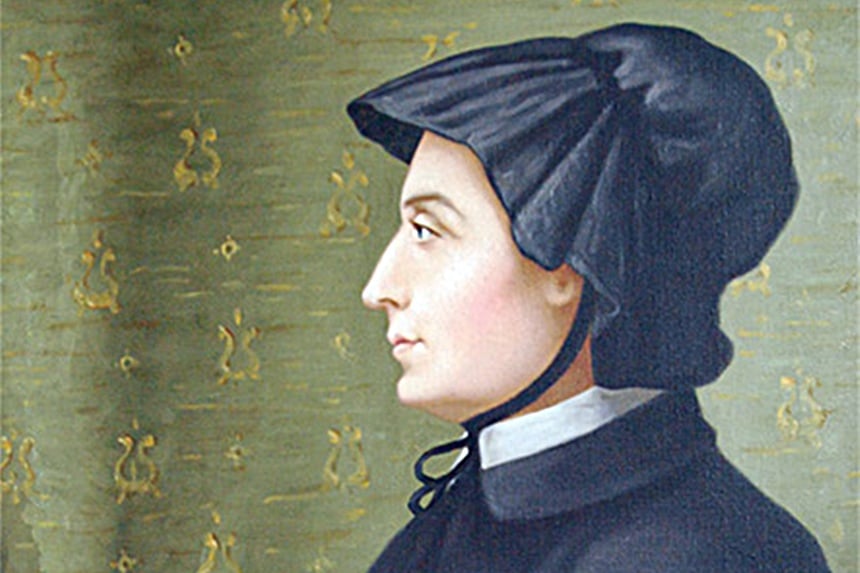
Elizabeth Ann Bayley Seton, the first Catholic saint born on American soil, spent her life during our nation’s early years serving the poor and marginalized. Today, we still benefit from the schools and hospitals she helped establish. But her impact runs deeper. Seton served as an example for how we, as a nation, should help those less fortunate — in our own backyard and around the world.
Colonial New York
Even though she became a Catholic saint, Seton was born into a Protestant family in 1774. When the Revolutionary War began two years later, her Loyalist father enlisted as a surgeon in the British Army, only to return home the next year after Seton’s mother died.
Dr. Richard Bayley remarried the following year, but Seton’s 19-year-old stepmother wasn’t prepared to parent her and her older sister, and while their father traveled abroad, her stepmother sent them to live with their paternal uncle and aunt. Perhaps because of these hardships, Seton spent hours praying and reading scripture as she grew older.
Following the British surrender at Yorktown in 1781, Americans — whether Patriot or Loyalist — came together to build a new nation, according to Catherine O’Donnell, author of Elizabeth Seton: American Saint. Not only did that sentiment open the door to her father eventually becoming the Port of New York’s first chief health officer, but as Seton entered society, she mingled with Founding Fathers like Alexander Hamilton, Aaron Burr, and John Jay.
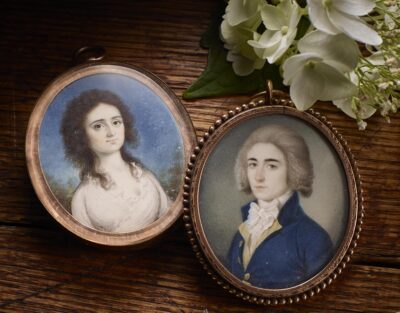
At the age of 19, she married William Seton, the son of a wealthy merchant, and the couple had five children. Had life continued as she thought it would, Seton probably would have been lost to time. However, piracy took a toll on the merchanting business, and the death of his father forced William to financially support his younger half-siblings. Eventually, the Setons lost their home and declared bankruptcy.
Through good and bad, Seton served those in need. She was a founding member and treasurer for The Society for the Relief of Poor Widows with Small Children, the first female-run benevolent organization in the United States, and even when she was bankrupt, she delivered firewood to those widows.
Difficult Times
As their financial woes escalated, William contracted tuberculosis, and in 1803, doctors urged him to travel to a warmer climate. Seton and their oldest daughter, Anna Maria, accompanied him to Livorno, Italy, where his friend, merchant Filippo Filicchi, lived. Because of a yellow fever epidemic in New York, the local authorities quarantined the three when they arrived. William rapidly declined, and a few days after their release, he died.
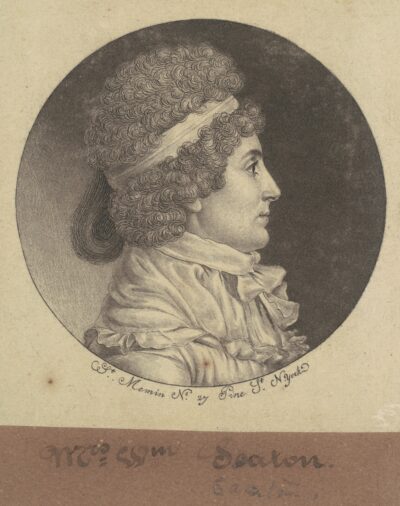
In her grief, Seton focused on faith. Since Livorno didn’t have an Episcopalian church, she and Anna Maria attended Catholic mass with the Filicchi family, who took them in. O’Donnell says the more Seton studied Roman Catholicism, the more it appealed to her. She was especially fascinated by the nuns and religious women she met in Italy.
“She began wondering what her life would like if she would completely devote herself to God,” O’Donnell says.
For the next six years, she struggled as a widow with five children under the age of eight. At first, she and Anna Maria stayed with the Filicchi family for several months before returning to the United States where relatives cared for the other children. Friends provided a place to live once they returned to New York, and she taught students and later tried opening a boardinghouse for boys to earn money. However, when she converted to Catholicism in 1805, followed by her sister-in-law a year later, friends and family withdrew their support.
Remarrying for financial support didn’t seem to be an option for her, O’Donnell says. Seton wrote to a friend that having been married before, she’d never do it again, even though she’d been happily married to William. O’Donnell points out there could be more to her aversion, though: because there were few Catholic men in the United States for her to marry, she didn’t have many options.
Founding a Religious Order
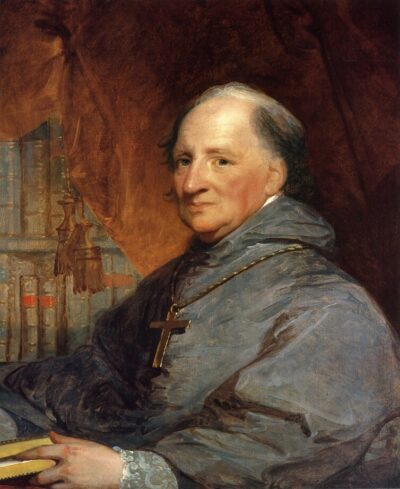
Help came from the church instead. In 1809, Bishop John Carroll asked Seton to start a Catholic school for girls on a 269-acre property near Emmitsburg, Maryland. Joined by her daughters, two sisters-in-law, and six other women, she founded the Sisters of Charity, a religious organization modeled after St. Vincent de Paul’s Daughters of Charity. Elected head of the order, Elizabeth Seton became Mother Seton.
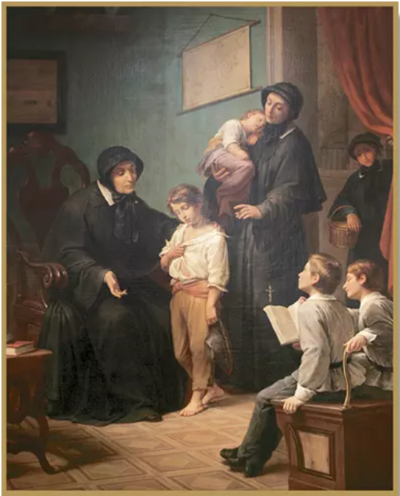
Sister Betty Ann McNeil, one of three editors of Seton’s collected works, says their primary focus at Emmitsburg was education. At St. Joseph’s Academy and Free School, girls received a refined education that included Catholic values, foreign languages, art, needlework, and the skills necessary to become a good wife and mother. Initially, the school was free, but when they experienced financial challenges, Seton started a boarding school and charged Catholic families that could afford to pay.
Teaching was Seton’s passion, according to Sister Mary Catherine Conway, who served in Catholic education as a teacher and principal for 43 years. She never discriminated based on religion or race and would go into the mountains where poor families lived to educate their daughters.
“She was a pioneer in educating young women,” Conway says.
As the need arose, Seton dispatched Sisters to other communities. In 1814, she sent nuns to Philadelphia to manage the first Catholic orphanage in the nation, and three years later, she sent a group to New York to start a community. When she died in 1821, more than 20 Sisters of Charity communities operated schools, orphanages, and hospitals throughout the new nation.
Answering the Call
Although the Catholic church wanted Seton to focus on education, they always expected the Sisters of Charity to provide healthcare, too. McNeil says Seton’s life had prepared her for that; her father, uncle, and brother-in-law were all physicians.
“She had a lot of homegrown knowledge,” McNeil says. “Early on, she was known by people in her community as the one you go to when you had a sick relative.”
However, because Seton oversaw the Sisters of Charity, she didn’t have much time to treat the sick, and the other Sisters stepped up. Soon, they were as skilled as Seton, and when the Baltimore Infirmary teaching hospital asked for nurses, the Sisters who went essentially received a medical education as they worked. As they shared what they learned, the Sisters gained a reputation as skilled nurses.
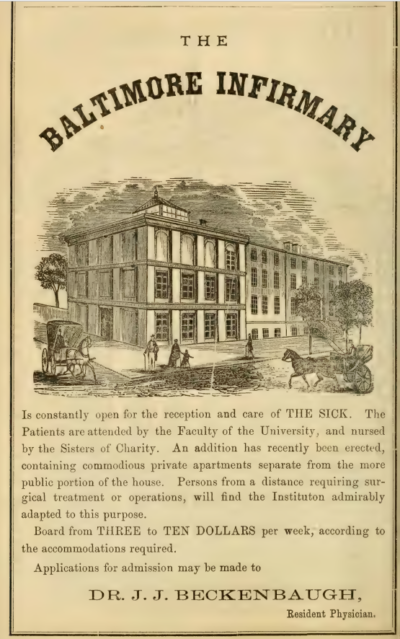
Lisa Donahue, Seton Shrine’s research and exhibitions coordinator, notes that the Sisters took that knowledge into their communities and served wherever there was a need, especially if no one else would. “When people were sick with cholera and typhoid, it was the Sisters that were answering the call,” she says.
They answered that call time and time again. During the Civil War, the Sisters of Charity cared for the wounded, listened to their stories, and wrote letters home for them. They showed up for victims of the Johnstown Flood, Chicago Fire, and San Francisco Earthquake. More recently, they cared for the sick in New York City during the AIDS epidemic.
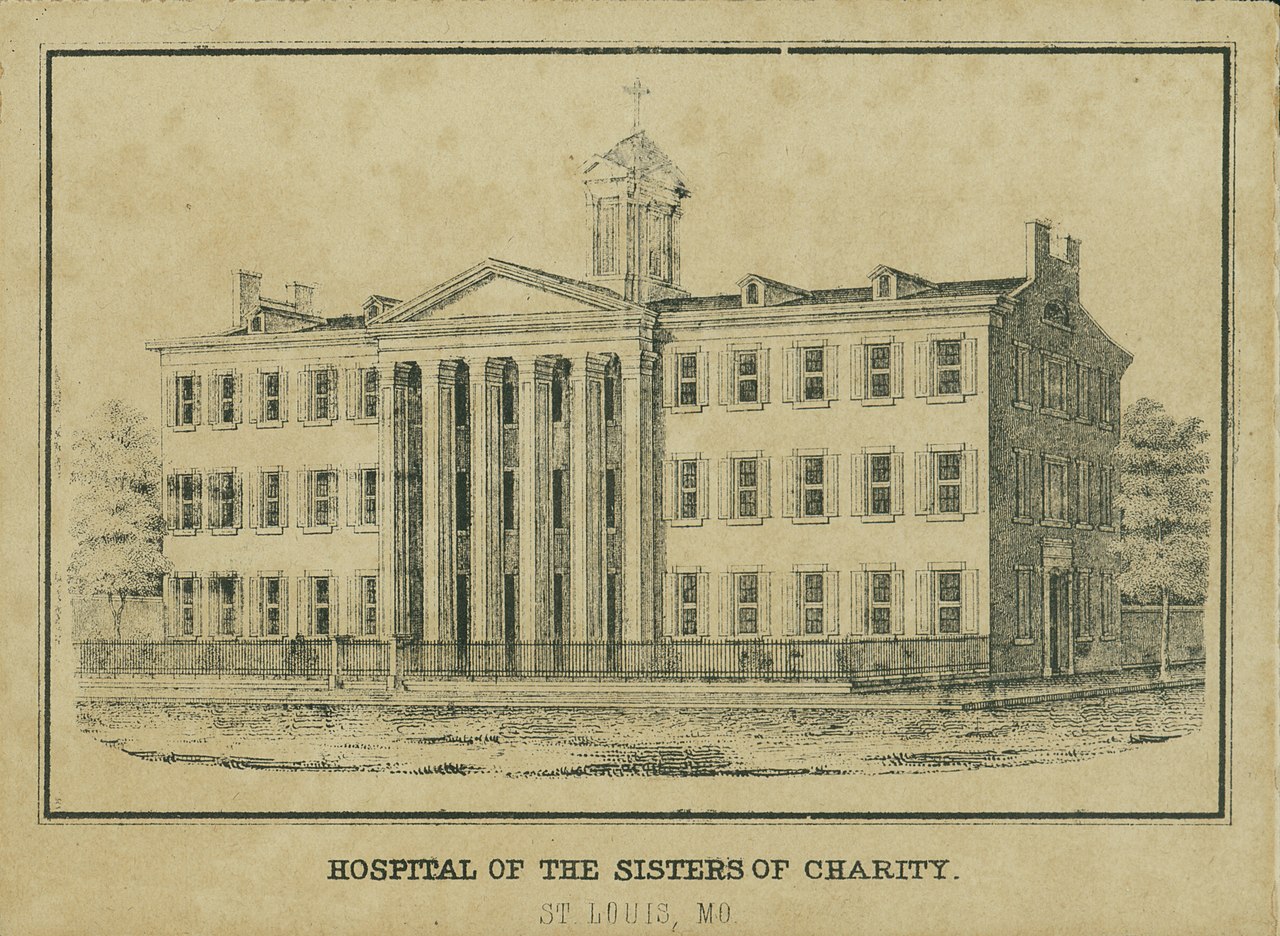
Additionally, they built a network of hospitals, founding their first hospital in St. Louis in 1828. In addition to being the nation’s first Catholic hospital, St. Louis Hospital was also the first hospital west of the Mississippi River. Others followed, and eventually, in 1999, the Daughters of Charity National Health System and Sisters of St. Joseph Health System merged to form Ascension Health, which became simply Ascension in 2012.
Today, Ascension has a network of 95 hospitals, plus another 26 hospitals through partnerships. It is one of the nation’s leading non-profit Catholic healthcare systems, managing 860 clinics, more than 250 physical therapy sites, and 30 senior living facilities across 16 states.
What strikes Donahue the most is how the Sisters educated themselves as medicine modernized. Sister Chrysostom Moynahan became Alabama’s first licensed nurse, Sister Mary de Sales Leheney became New Mexico’s first licensed female physician, and Sister Hilary Ross, a biochemist and pharmacist, contributed to advancing treatments for Hansen’s Disease (leprosy).
Lasting Impact
In 1820, Seton contracted tuberculosis, the same disease that had killed her husband, and died the following year. She is buried in the Basilica at the National Shrine of Saint Elizabeth Ann Seton in Emmitsburg, Maryland. Also known as Seton’s Shrine, the site has a visitor center, museum, and two historic homes where reenactors portray Sisters and students.
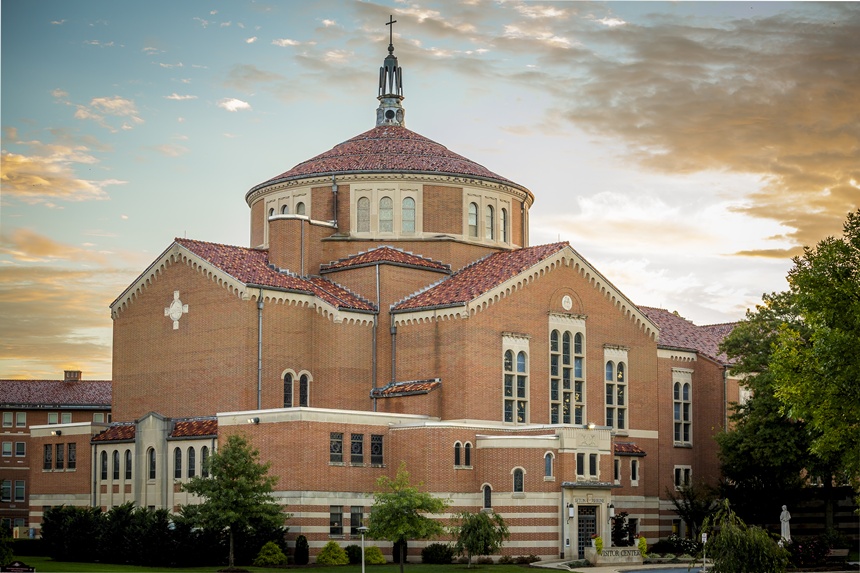
O’Donnell says that people probably wouldn’t know much about Seton if she hadn’t been canonized in 1975, but saint or not, she was an extraordinary person. Essentially, she was a career woman who still put her family first, and despite those priorities, when she interacted with someone, she really listened and focused on them.
McNeil agrees. “It’s all about relationships with her, and I think that’s what kept her going,” she says.
Seton initiated a ripple effect of charity, according to Donahue, who researched the museum’s special exhibit celebrating the nation’s 250th anniversary, “Do the Good: The Sisters Who Shaped America.” While the exhibit doesn’t cover typical American semiquincentennial topics like the Boston Tea Party, it examines the impact the Sisters had in America. “Do the Good” opens March 19, 2026.
“We’re never going to know all the lives that they touched,” Donahue says of the Sisters.
Rob Judge, executive director of Seton Shrine, believes Seton’s significance extends beyond the schools, orphanages, and hospitals she founded — she’s an example of how we can “do the good” that is right in front of us. And she gives people hope.
“She overcame so much adversity,” he says. “If someone is struggling with finances, they see Mother Seton living through a bankruptcy. If they have conflicts with family, they see her having problems with the Setons when she became Catholic. If they lost a loved one, she lost two daughters and her husband.”
Those difficulties make her relatable. “When you wrap all this stuff up, she’s not that different than me,” he says. “She’s a better version of me.”
And that, he says, is inspiring.
Become a Saturday Evening Post member and enjoy unlimited access. Subscribe now