More than 40 percent of American adults live with obesity, and the health risks — diabetes, heart disease, stroke, fatty-liver disease, joint degeneration — pile up quickly, especially when obesity begins in the younger years.
Obesity is a medical condition. It’s not just about appearance; it’s about health, energy, and quality of life. Until recently, treatments were limited, but now, medicine has entered a new era: treating obesity as the chronic, biological condition it is.
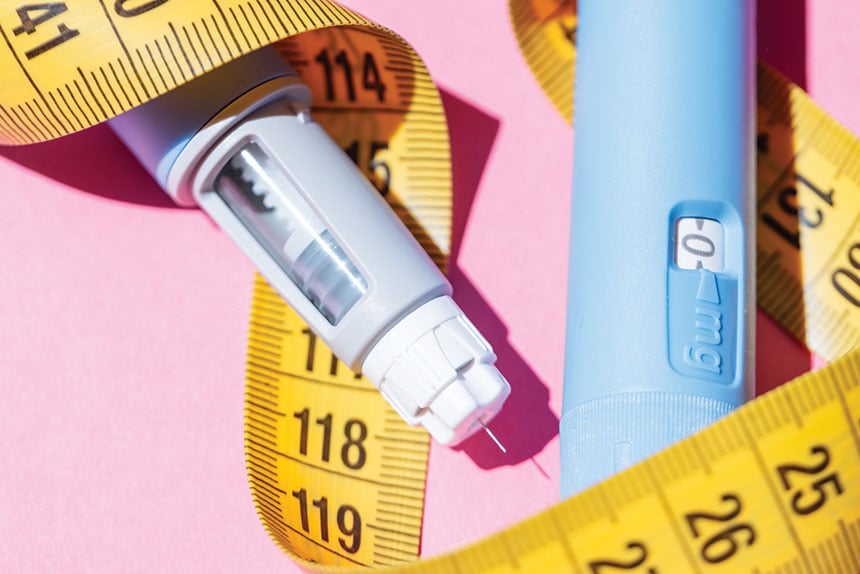
The biggest breakthroughs are injectable hormones called GLP-1 and GIP receptor agonists. Originally designed for diabetes, they stimulate insulin release, slow gastric emptying, and increase the feeling of satiety (feeling full), signaling the brain to reduce appetite, and even help lower some addictive habits.
In clinical trials, both semaglutide and tirzepatide produced weight loss of 15-20 percent of body weight — results once seen only with surgery. (Note: Mounjaro and Zepbound are tirzepatides; the former is specifically FDA-approved for type 2 diabetes management, and the latter specifically for weight loss and obstructive sleep apnea.)
Even 5–10 percent weight loss can lower blood pressure, improve blood sugar and cholesterol, and relieve sleep apnea and joint pain. These drugs are transformational for diabetes risk and mobility. But think in years, not weeks. Obesity is like hypertension: Control improves health while treatment continues.
The new drugs are generally intended for adults with a body mass index greater than 30, or greater than 27 with a weight-related condition such as diabetes, high blood pressure, sleep apnea, or fatty-liver disease. They are not for women who are pregnant or are trying to be. Patients with a history of pancreatitis or gallbladder disease warrant special care. Having a personal or family history of medullary thyroid carcinoma or endocrine cancers (MEN2) is a labeled contraindication for GLP-1–based drugs. Patients with significant GI disorders may require alternatives or slower dosing.
The most frequently reported side effects are gastrointestinal, including nausea, vomiting, diarrhea, and constipation. Other, less common side effects may occur. Talk openly with your physician before you start.
A few practical tips include beginning slowly with smaller, more frequent doses to reduce nausea. Frequent small meals and more protein help satiety and preserve lean muscle. Pair meds with light resistance exercise to keep strength. Stay hydrated. Walking after meals can ease GI symptoms. Plan for plateaus; weight loss may not continue in a straight line.
The new drugs are powerful, but not magic. They work best when combined with healthy eating, regular activity, good sleep habits, and long-term follow-up. If stopped abruptly, weight gain often returns.
Next-generation versions are already on the horizon. An investigational dual-hormone drug, Maritide, may work with monthly injections, while an investigational oral pill, orforglipron, could offer a needle-free alternative. Researchers are testing “triple-hormone” combinations that may someday match surgical results. The FDA recently approved oral semaglutide, marketed as Rybelsus, to reduce the risk of major adverse cardiac events in adults with type 2 diabetes. New medications, including pills, more potent injectables, and drugs with fewer side effects or taken just once a month, are in the near future.
For patients who can’t or don’t want to take these drugs, bariatric surgical procedures remain the most effective tools for the highest levels of obesity or for people with severe diabetes and reflux.
The right choice depends on your health, preferences, and response to therapy. Remember, the goal isn’t a perfect number on the scale. It’s years of vitality, fewer medications, stronger joints, deeper breaths, and the freedom to live fully.
This article is featured in the March/April 2026 issue of The Saturday Evening Post. Subscribe to the magazine for more art, inspiring stories, fiction, humor, and features from our archives.
Become a Saturday Evening Post member and enjoy unlimited access. Subscribe now



Comments
These are truly miracle drugs. I went from 219 lbs (34 BMI) to 165 (26 BMI) over the course of 18 months. I still have about 10 pounds to go, but I am grateful for these.