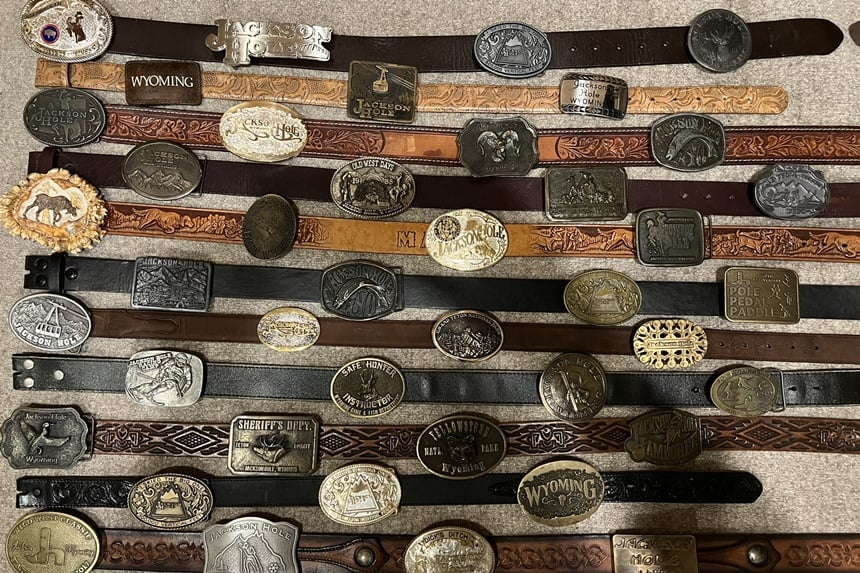
At most luxury hotels, the amenities are predictable — plush bathrobes, good toiletries, maybe a spa. At the Rusty Parrot Lodge and Spa in Jackson Hole, you can check out a belt buckle.
Not buy one. Borrow one.
Guests are invited to choose from a collection of more than 60 vintage and commemorative buckles and wear one out for a night on the town. If you need a belt, you can check out one of those, too. It doesn’t feel like filling in a missing piece of a costume; it feels more like finding Jackson Hole’s rhythm and deepening a sense of place.
Instead of standardized amenities that could exist anywhere, more hotels are leaning into experiences that feel specific and personal. Gestures like this go beyond making a stay comfortable; they make it memorable. At the Rusty Parrot Lodge — and yes, there’s a story behind the name — that philosophy shows up in small, tangible ways, starting with the belt buckle library.
The Belt Buckle Library

Brandon Harrison, the general manager of the Rusty Parrot and the son of owner Ron Harrison, grew up at the hotel and has many childhood memories intertwined with the property’s history and personality.
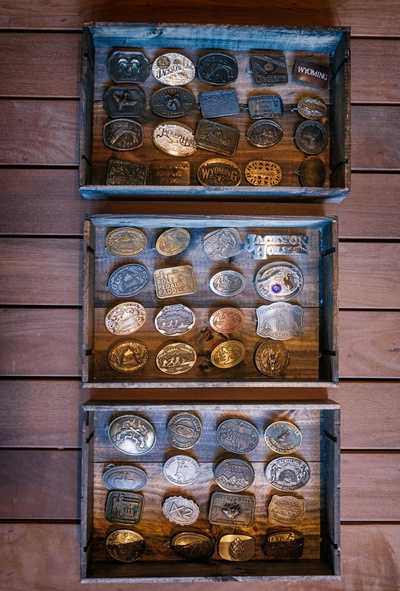
Harrison has been collecting buckles since he was a teenager. His collection is a combination of award belt buckles from local ski events; buckles that represent local businesses and ranches; and buckles that say “Jackson Hole” or Wyoming.” He also collects buckles made in Jackson in the 1970s by Wyoming Studio Arts, particularly those by sculptor James Lind. “My belt buckle collection is entirely buckles of local interest,” he says.
Harrison calls out the rise of the Cowboy Core trend as the inspiration behind lending guests a selection of his buckle collection. Cowboy Core refers to a fashion trend that draws on Western-inspired clothing — think boots, hats, denim, and statement belt buckles — worn as everyday style rather than for function.
A Hotel Built on Personal History
The Rusty Parrot Lodge was opened by Ron Harrison in Jackson Hole in 1990, and it wasn’t just the family business; it was the place where Brandon and his sister grew up. The building was lost to a devastating fire in November 2019 and later rebuilt on the same spot, reopening in 2024.
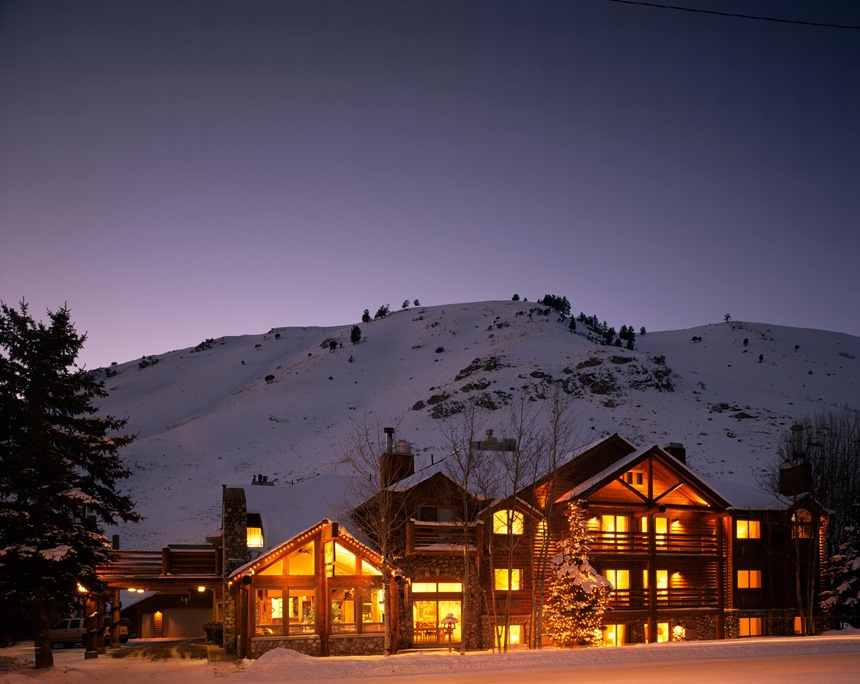
Set at the gateway to Grand Teton National Park, Jackson Hole has long been a crossroads of outdoor adventure, wildlife, and Western culture. The belt buckle library, available year-round, fits naturally into that rhythm, whether guests are visiting for summer hiking or winter skiing.
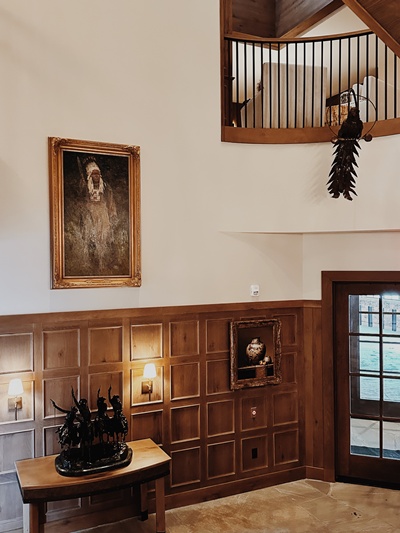
At first glance, the hotel is a classic mountain lodge: Western art, oversized windows framing the Tetons, and cozy fireplaces that invite you to settle in. But spend a little time here and you start to realize this goes beyond design touches.
The downstairs lobby bar, called The Den, showcases a collection of Western art gathered by the Harrison family and salvaged from the original building. And the hot-from-the-oven cookies served each afternoon in the second-floor library are more than a snack: They’re a continuation of a family ritual.
“I used to work as a bellboy after school and I’d do my homework in between helping guests,” Harrison says. “The hotel chef baked me cookies so I could have cookies and milk while I did my homework, and that memory has become a part of our guests’ experience.”
That sense of continuity isn’t accidental. “We’ve always tried to embody a timeless aesthetic, authentic local character, and quality finishes that patina and improve with age,” Harrison says. “Crafted brass belt buckles have all those qualities, which is what led me to start collecting them. I’m happy to share something personal that can help our guests have a more memorable experience in Jackson Hole.”
What’s in a Name?
Like most things at the Rusty Parrot Lodge, the hotel’s name reveals a piece of Harrison family history. The official rule for curious guests is simple: “You have to ask a Harrison,” meaning only a family member can tell the full story. In practice, though, you’ll often find a staff member willing to share at least part of it.
The name “Rusty Parrot” functions a bit like an Easter egg, something guests discover as they settle in. The name itself feels a little quirky at first, more like something a pirate-themed hideaway in Florida would be called, rather than a lodge in Wyoming, but that’s part of the appeal. Look up from the front desk and you’ll spot it: a rusty parrot, unexpected and slightly out of step with the rest of the decor. Somehow, it just works.
That subtle quirkiness is part of the appeal. The more time you spend at the hotel, the more those small, personal details come to light.
More Than Just a Box of Buckles: Why These Small Touches Matter
What the Rusty Parrot Lodge is doing with its belt buckle library isn’t really about accessories; it’s about becoming part of the story. Increasingly, travelers are looking for experiences that go beyond aesthetics, something that allows them to engage with a place rather than simply occupy it.
That shift is changing how hotels think about hospitality. Instead of competing on scale — bigger lobbies, more amenities, more everything — many smaller properties are trading scale for soul, focusing on details that feel rooted, specific, and human.
A borrowed belt buckle might seem like a tiny gesture, but it changes the experience. It invites guests to step into the culture of a place, even briefly, and the small-town innocence of handing over a treasured object to a guest, albeit temporarily, is part of what makes this so memorable.
How Other Hotels Are Doing This
While a belt buckle library may be unique — the Rusty Parrot Lodge is likely the only hotel formally lending out buckles and belts — the idea behind it reflects a broader shift in hospitality.
Hotels are increasingly looking for ways to connect guests to their surroundings through small, tangible experiences that tie in to history and culture, rather than standardized amenities.
Hotel Emma, San Antonio
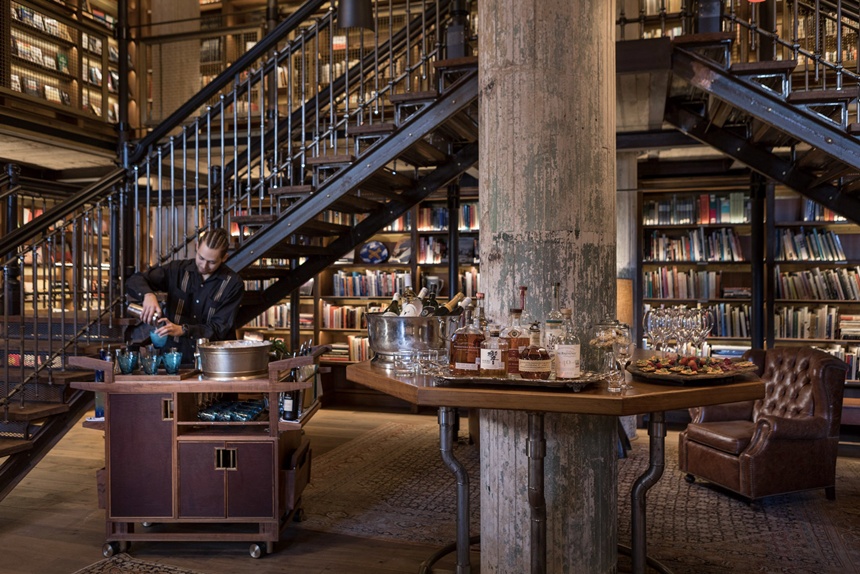
Hotel Emma takes a similar approach, grounding the guest experience in the building’s past as the Pearl Brewery. Rather than erasing that history, the hotel leans into it, weaving industrial elements into everyday spaces. Guests can browse a thoughtfully curated library or settle into Sternewirth, the hotel’s tavern, where former fermentation tanks have been transformed into intimate seating and some of the most sought-after spots in the room, if you know where to look for them. These aren’t just design choices; they’re small reminders of the building’s former life as an industrial powerhouse, repurposed to combine the feel of a lived-in space with luxury.
Hotel Distil, Louisville
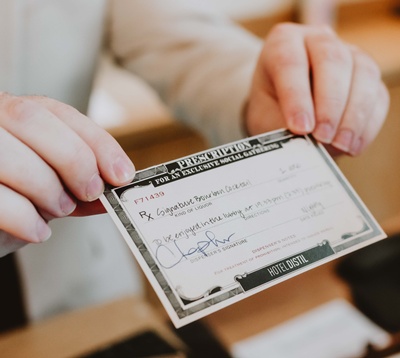
In Louisville, Hotel Distil leans into this idea with a daily ritual that connects guests to Kentucky’s bourbon history. Each evening at 7:33 p.m. — a reference to the year Prohibition ended (7:33 p.m. = 1933 in military time) — guests gather in the lobby for a bourbon toast. It’s quick, a little ceremonial, and an easy way to connect with the city’s whiskey culture, even if you didn’t plan your whole trip around it. Guests even receive a “prescription card” at check-in, a lighthearted nod to the Prohibition practice of dispensing alcohol for “medicinal purposes.”
The Details That Stay with You
At the Rusty Parrot Lodge, connection might look like something as simple as a belt buckle.
Worn for an evening, returned the next day, it’s a small, temporary thing that changes how a place feels while you’re in it. And increasingly, that’s what travelers want: not just somewhere to stay, but somewhere that leaves a mark.
Become a Saturday Evening Post member and enjoy unlimited access. Subscribe now