On my first visit to the Yucatan island of Cozumel, in 1987, I arrived on Royal Caribbean’s first cruise ship, the 1,200-passenger Song of Norway. Ours would be the only passenger ship to arrive at the town’s single pier that day, and one of only two or three that entire week.
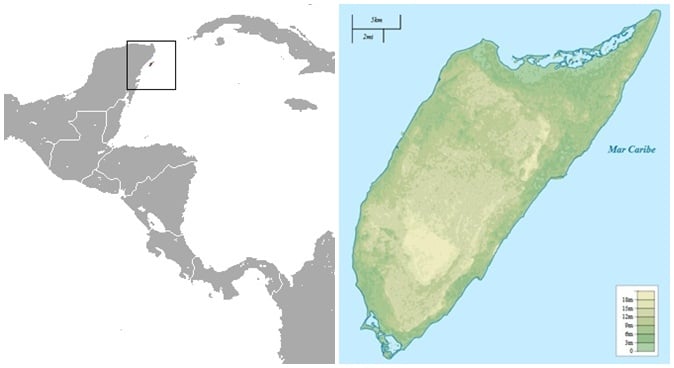
Nearly all my fellow vacationers filtered into the modest shops that lined the oceanfront main road, searching out carved figurines, woven hats, and bargain-priced cigarettes. But I hailed a lonely-looking taxi driver and asked him to take me to Cozumel’s historic heart: the ancient Mayan ruins of San Gervasio.
The bumpy ride took me through a modest residential district, past an enormous and ill-maintained concrete conch shell set in the center of a roundabout, and into Cozumel’s untamed interior.
A half-hour or so later, my cab pulled up to a rustic gate with a thatched shelter to its right-hand side. Squatting in the shade was the site’s caretaker/guide – rotating a foot-long iguana over an open fire. I felt bad interrupting his obvious lunch hour, but the man, whose name I’ve sadly forgotten, smiled broadly, accepted some American dollars, and happily showed me around.
I still have video from that day, taped on my brand-new RCA VHS camcorder, a shoebox-sized contraption that rested on my shoulder like a bazooka. The low-resolution footage shows vegetation choking much of the historic site, which had only recently been excavated by Harvard and University of Arizona archaeologists. Large dark stones were scattered amongst a jumble of vaguely identifiable buildings. In one brief, remarkable sequence, my guide invited me to climb down into a cave of collapsed rocks, assuring me I would emerge some vaguely defined distance away. I seemed recklessly willing to do so, but somehow resisted.
Mostly, when I think of San Gervasio in 1987, I remember the stillness, the almost supernatural sense of calm. If I sat absolutely still, I imagined, I might have glimpsed the shadows of those who paddled from the mainland, across 10 miles of open sea, just to visit this place. If I remained studiously silent, maybe I could hear echoes of their prayers, humming beneath the breeze-borne chirp of a bananaquit bird or the rapid-fire chatter of a rose-throated becard.
It is 2026; 39 years later.
I disembark Royal Caribbean’s 4,500-passenger Freedom of the Seas, a hormone-infused descendant of Song of Norway, one of six megaships that will today disgorge some 24,000 human beings onto Cozumel’s two expansive piers. (Happily, the quaint white stucco customs house that greeted me four decades ago still stands.) The line of passengers waiting for taxis curls around a block of shops in the cruise port’s retail village which, I sadly note, was not only built sometime after my first visit, but is now showing signs of replacement-worthy deterioration. For simplicity’s sake, I have opted to take a bus tour back to San Gervasio, one that combines a visit to the archaeological site with a stop at a Mayan chocolate company. (Judging by the conversations among my fellow travelers, the chocolate is the main attraction.)
Even after all this time, the drive is vaguely familiar. The residential area reaches farther inland than I recall (Cozumel’s 1980s population of about 27,000 has ballooned to some 90,000, including more than a few U.S. expatriates). There’s a Sam’s Club, just about every fast-food chain you can name, and that enormous conch shell centerpiece has been replaced by a black coral pylon.
The final mile or so to the site, though, is utterly unchanged: a straight-as-an-arrow shot, plunging into a wilderness dense with poisonwood and oleander.
Gone, of course, is that lone caretaker and his lizard barbecue. Beyond the now-large parking lot is a substantial thatched ticket booth/souvenir shop complex. Admission tickets are a reasonable $13.50, although the price for permission to take videos — $63 — seems more than a bit steep. There is a queue at the front gate, and even from there I can see long lines of visitors lining up along the thin paths that tendril their way across the grounds, leading from one Mayan relic to another. In contrast to my first visit, when trees and shrubs obscured my view, I can now see practically all the way across the developed portion of the site.
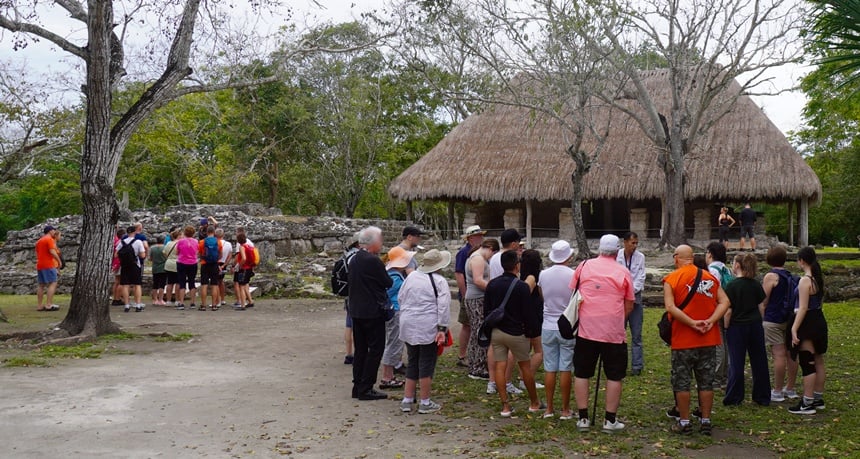
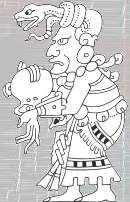
Those expecting soaring pyramids like those at the legendary Mayan city of Chichén Itzá, located on the Yucatan Peninsula mainland, may initially be disappointed by the squat, modest remains at San Gervasio. (The Mayans called the place Tan Tun Cuzimil, “Flat Rock at the Place of the Swallows.”) Still, the site has an intriguing history: It was established as a shrine to Ix Chel, the Mayan goddess of childbirth, weaving, and medicine. Mayan women generally visited San Gervasio once in their lifetimes, meaning there was little need for anything here but some temple buildings and transient sleeping quarters. The residential buildings’ thatched roofs are long gone, but the footprint of the site, developed in phases from the 10th to 13th centuries AD, continues to emerge as experts study its roughly two-square-mile area.
My group’s guide is Enrique Llanos, a certified archaeological host whose obvious enthusiasm for all things San Gervasio is contagious. Even the more chocolate-oriented members of this contingent seem swept up in his vivid descriptions of the ruins that surround us and the rituals they represent.
Llanos is himself Mayan. (“This eagle-beak nose of mine is totally Mayan,” he laughs.) He speaks at length about the countless ethnic lineages that create the fabric of today’s Mexico.
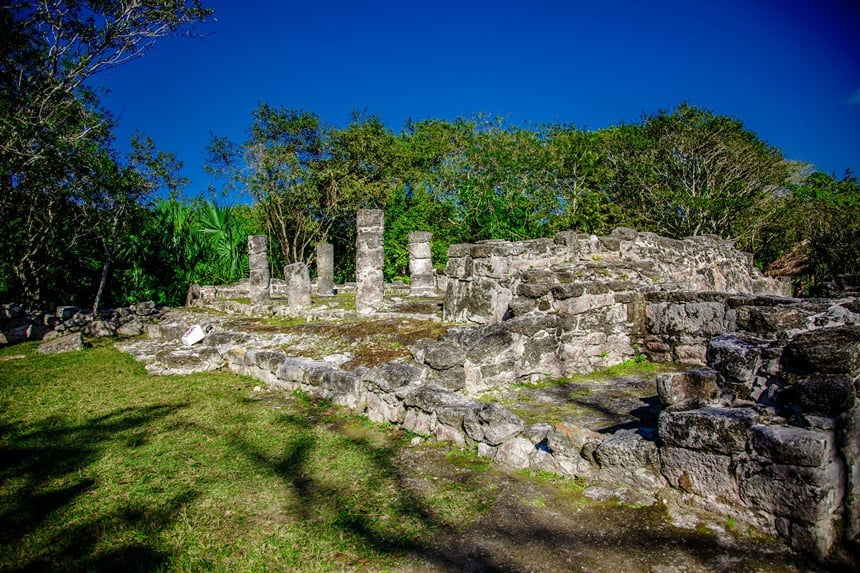
As Llanos leads us to a ceremonial stone archway at the far end of the site, I recognize structures from my first visit: mostly raised stone platforms with cut-off columns that once supported now-gone roofs. Two generations of landscapers, however, have all but cleared the place of scrub, erasing that sense of bushwhacking discovery that gripped me back then.
At its height, Llanos says, San Gervasio had maybe 300 permanent residents, including religious leaders who led worship and provided a human voice for the deity.
“But they welcomed some 2,000 visitors every month,” he says. “And most of them came through this arch.”
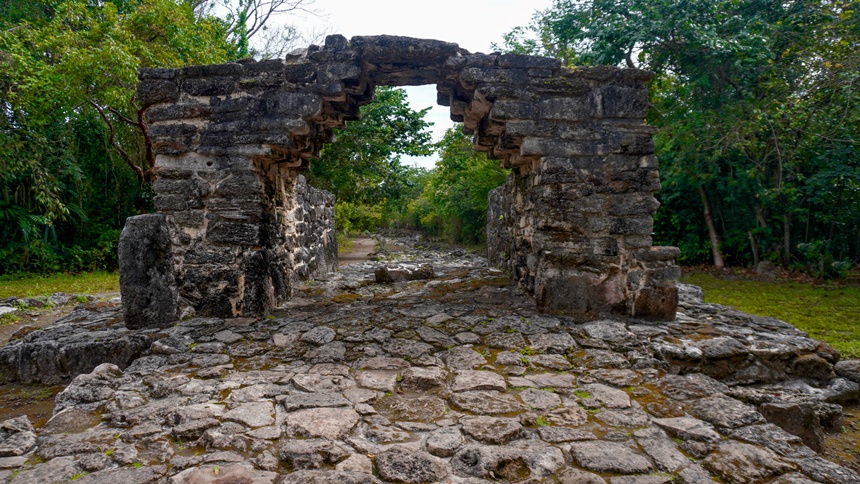
The Mayans were famously short in stature, but even to them, this seven-foot-high arch could not have seemed imposing. Still, it is rich in symbolism: Outlined on the inside of the arch are seven stepped levels leading to a wide, flat top — a direct visual reference to the monumental pyramids of Chichén Itzá.
This arch is new to me. As far as I can recall, where we are now standing was still thick forest in the 1980s. The arch was then most likely the subject of academic interest, still on its way to becoming a featured attraction.
For me, a big part of the continuing intrigue of San Gervasio is that only a tiny fraction of its historic expanse has been excavated. Here and there, from the thoroughly cleared center, narrow dirt trails lead from the central complex, disappearing into the woods.
“Stay off those trails,” I hear another guide caution his group. “I had a family head down one of them one day and never saw them again. Our bus had to leave without them.”
Those, I find myself thinking, are my kind of trails, and my kind of people.
“And this trail,” he continues, pointing to the well-marked path that extends past the stone arch, “I call the Trail of Death.”
Now, that’s got my attention.
With a longing glance over my shoulder toward the Trail of Death, I follow Llanos to another quadrant of the site, marveling at the far-from-obvious complexity of the building layouts; the subtle manner in which facilities for upper-class worshippers were placed at higher elevations than those for more common folk. The handiwork is crude yet complex, representative of a people who, while Europeans explored the world utilizing the four points of the compass, viewed the universe in multiple dimensions: Up, Down, The Middle, East, West, North, and South.
And all the time I’m thinking, “Trail of Death? Really…?”
Our tour finishes up at what is reputed to be the 12th century home of the town’s religious ruler. Impressive pillars mark the entrance to its inner sanctum, reached through a doorway with a lintel that’s low even by Mayan standards.
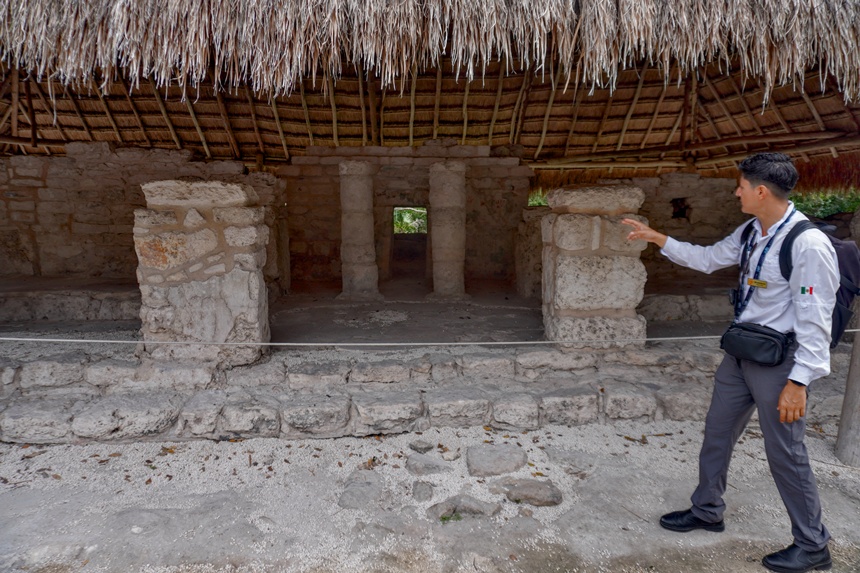
“You can’t make someone worship your idols,” says Llanos. “But you can make them be respectful of them. There is just no way to enter this place without putting your head down, showing respect.”
He gestures toward a wall to the right of the doorway.
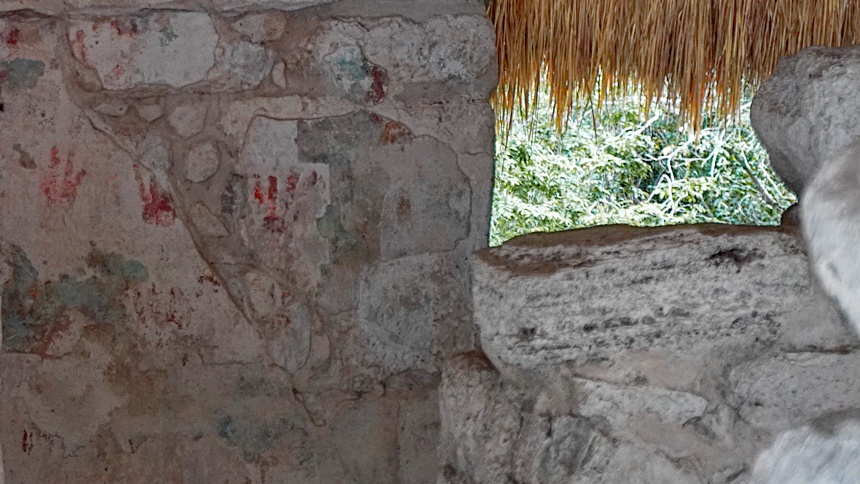
“Do you see those red hand prints?” he asks, and I can make them out in the shadows: Fingers spread upward, rendered in a brilliant red. “They have been there for hundreds of years. Red represents the sun, and the red hands facing up represent life.”
In a moment of silence, I catch Llanos’s right hand extended toward the painted palms a dozen or so feet away; a cosmic high-five.
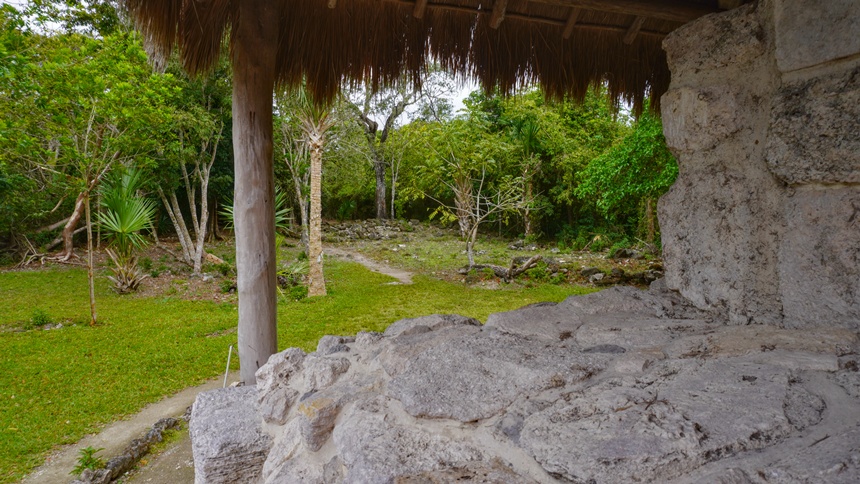
I’ve got 20 minutes before my bus leaves for the chocolate factory, and there’s one thought possessing my mind: The Trail of Death. Just as I defied the souvenir-seeking throngs on that long-ago cruise ship stop, I find myself again pushing against a swarm of shop-bound bargain hunters, heading back toward the stone arch, starting point of the Trail of Death.
I allow myself 10 minutes in, leaving myself barely enough calculated time to return to my bus. (I love a good Trail of Death as much as anyone, but I do not plan to stand on the Cozumel shore tonight watching Freedom of the Seas disappearing over the horizon.)
For a Trail of Death, this one seems disappointingly civilized – in fact, I walk past a guy heading the other way carrying a gas-powered leaf blower. (I will later learn the true hazards out here, and the reason that guide didn’t want his charges wandering off, are countless natural fresh water wells, carved deep into the underlying coral and hidden by overgrowth. The wells made life possible on this island for ancient Mayans; they pose nothing but peril for unwary tourists.)
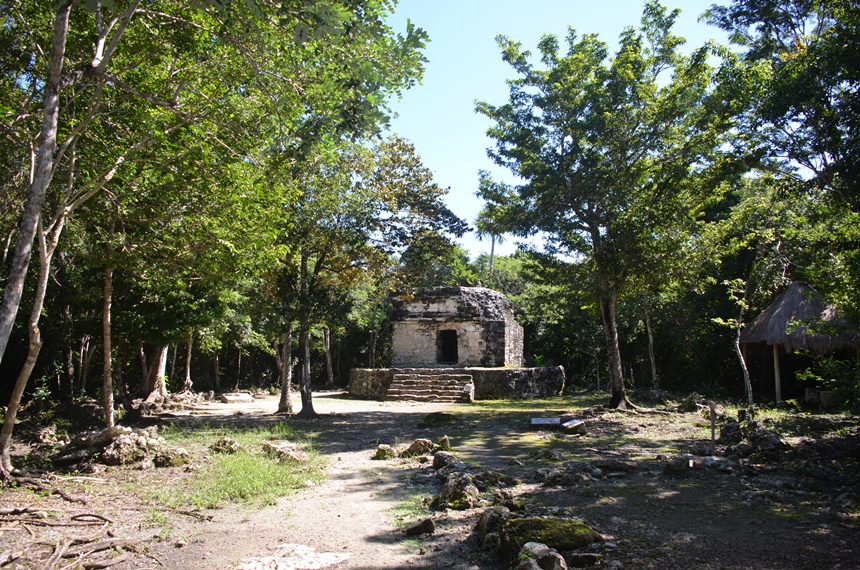
Barely a few hundred yards in, I stop in my tracks. The trail opens onto a wide spot, and there, in the middle, stands a remarkably preserved building, a nearly pristine temple set atop a stepped pedestal. Aside from a severe wound to the right side of its upper level, one could hardly call it a ruin at all. A doorway, blocked with a screen barrier, leads to a darkened interior.
This is what I came for. Gone is the buzz of the crowds and the urgent song of the tour guides. A sign, low to the ground, identifies this as Nohoch Nah, “Big House,” probably a sort of welcome center for pilgrims approaching San Gervasio along this road, which stretched all the way to the beach, seven miles away.
For this fleeting moment, the sense of discovery that made San Gervasio such an irresistible experience 39 years ago returns. I am reminded of something Llanos told me during our bus ride; about a frequent experience he has while riding his sport bicycle along some of the remote trails, remnants of ancient Mayan routes, that cut through the forest of Cozumel.
“Sometimes,” he says, “if I am riding in the morning, and the sun is coming through the trees just right, I can pick out overgrown Mayan structures. They are all over this island.”
Those remnants, he says, date back as far as the year 250.
Recalling his words now, surrounded by forest, contemplating a monument carved by ingeniously resourceful hands, I realize it’s not nostalgia for 1987 that brought me here. It’s something a whole lot older than that.
Bill Newcott compares his visit in 1987 to today.
Become a Saturday Evening Post member and enjoy unlimited access. Subscribe now