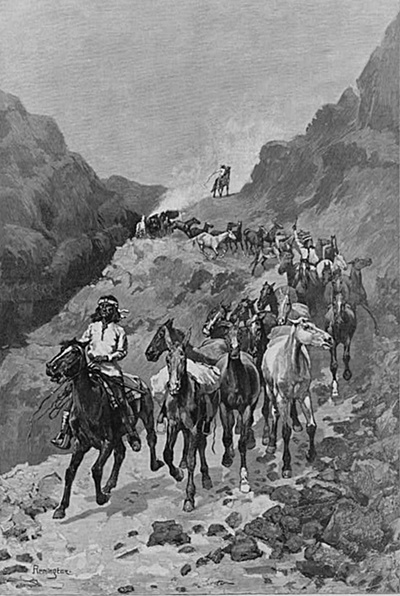
During the era of Manifest Destiny in the mid-19th century, the United States expanded westward. Following the Mexican-American War, lands inhabited by Apache peoples became part of the United States, intensifying decades of conflict between Apache groups, settlers, and the Army.
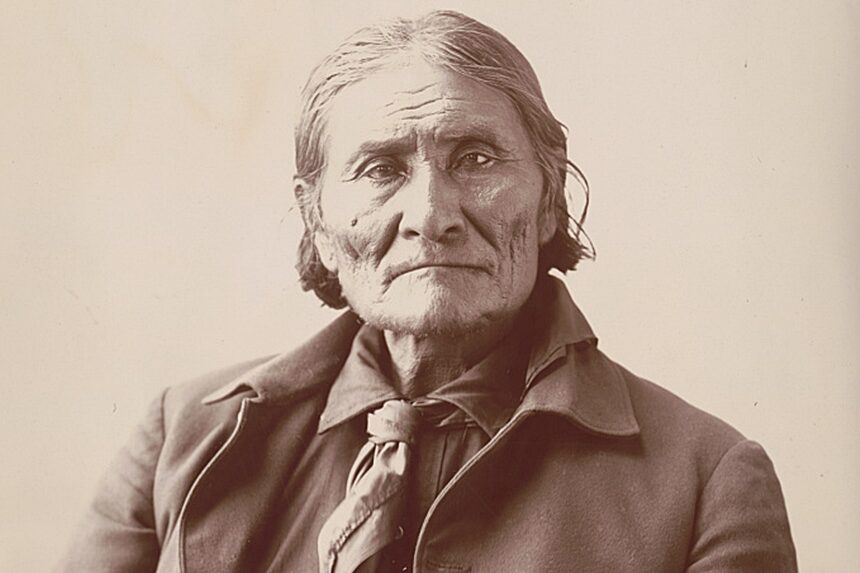
A man named Geronimo led raids against soldiers in his homeland in modern-day Arizona and New Mexico, pushing back against the encroaching settlers. It’s this fearless leadership that transformed him into a Wild West folk hero, with sensationalized accounts from people who never interacted with him. After several attempts to subdue him, he surrendered to the United States government in 1886, making him one of the most prominent Indigenous leaders to do so. But this isn’t where his story ends.
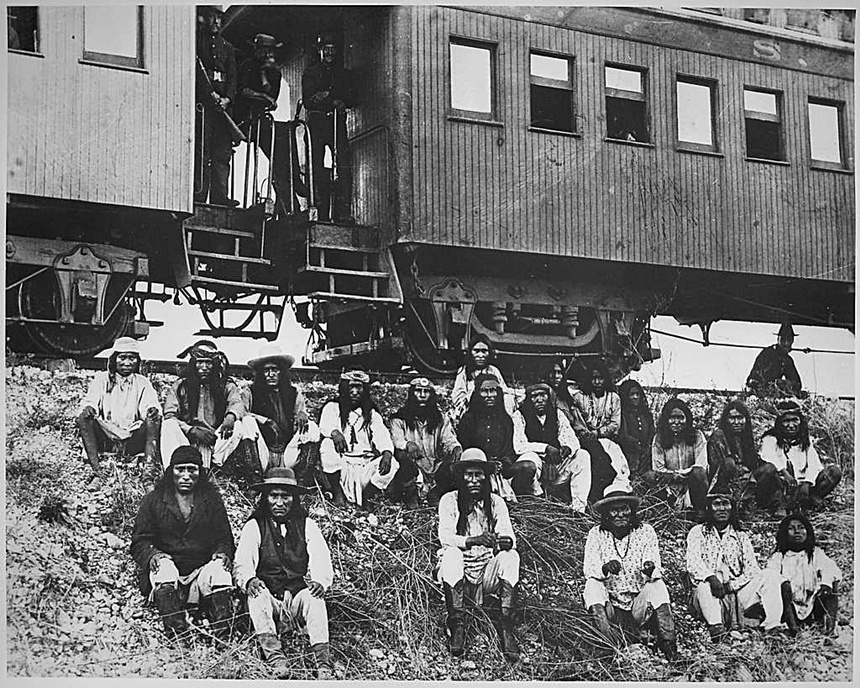
Authorities seized Geronimo and his fellow Chiricahua Apaches, stripping them of their weapons and sending them by train to live as prisoners of war. They imprisoned not only Geronimo’s followers but also Chiricahua Apache scouts who had served alongside the Army against him. It was believed that this would prevent other Indigenous people from continuing the fight against their colonizers.
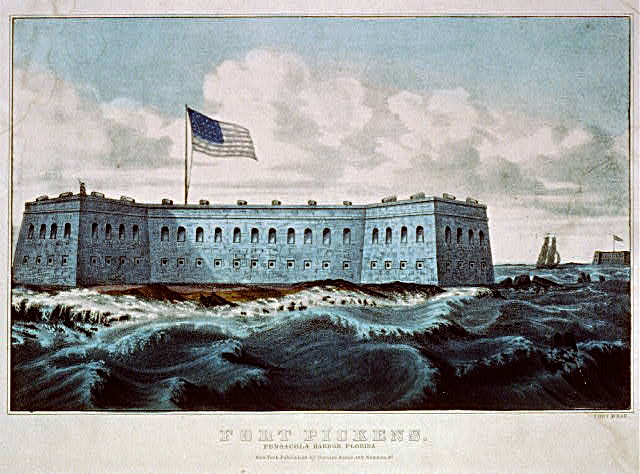
The group was stationed at Fort Pickens, outside Pensacola, Florida, far from their homelands and familiar climate for the people from the mountain desert. Built in the 1800s to protect Pensacola Bay and the city beyond, the fort was exposed to the elements, with few trees for shade and protection.
Local groups petitioned that Geronimo and his men be kept here, and that his wives and children be sent to another fort in St. Augustine, which was dangerously overcrowded. By the time the Chiricahua Apaches arrived in Florida, many Indigenous peoples of the Southeast, including the Seminole and Muscogee, had already endured forced removal through policies associated with the Trail of Tears.
Word of the famed war chief’s arrival spread quickly in the community, leading an estimated 400 people to take the boat to Santa Rosa Island and pay the 50-cent admission to see Geronimo for themselves. Geronimo and some of the other Apaches embraced the commercialism of their situation, selling photographs and homemade crafts. They were also hired for work by local farmers. Geronimo continued this practice of selling wares throughout his life, and allegedly had $10,000 in the bank at the time of his death.
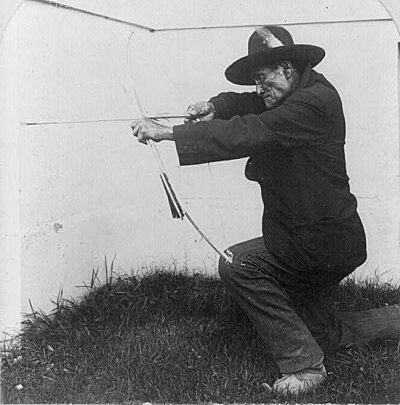
But the Apaches were also forced to live in open-air casemates at the decommissioned base, enduring unfamiliar humidity and mosquito-borne diseases from the waterfront location. They were also forced into dehumanizing manual labor, including sawing logs and moving cannonballs, which some historians noted was against the terms of Geronimo’s surrender. It followed a previous legacy of the Army’s forced labor of enslaved Africans to maintain the fort.
In 1887, surviving Chiricahua Apaches were transferred from Florida to Mount Vernon Barracks in Alabama amid concerns over disease outbreaks, including yellow fever, and finally ended the journey at Fort Sill in Oklahoma. They left behind the grave of one of Geronimo’s wives, Ga-Ah, after her death from pneumonia.
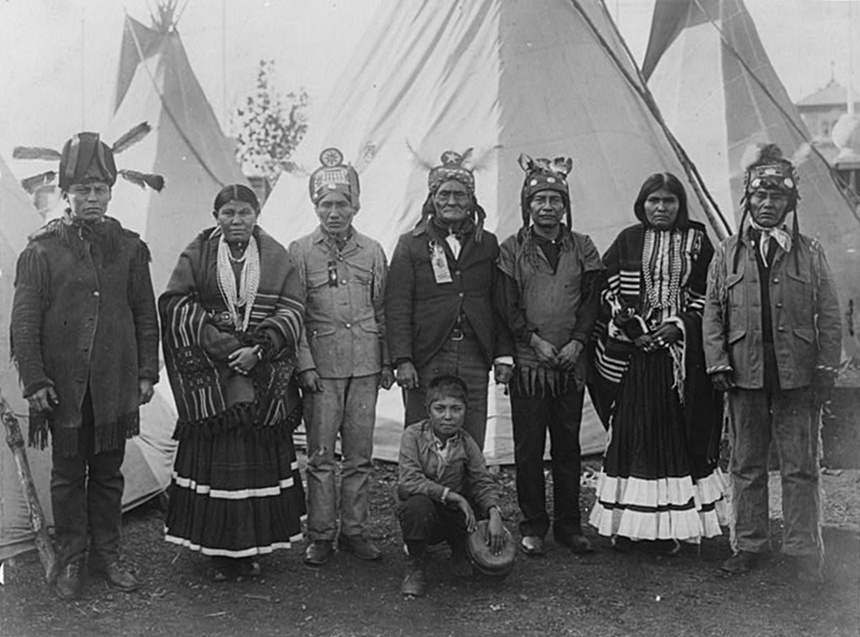
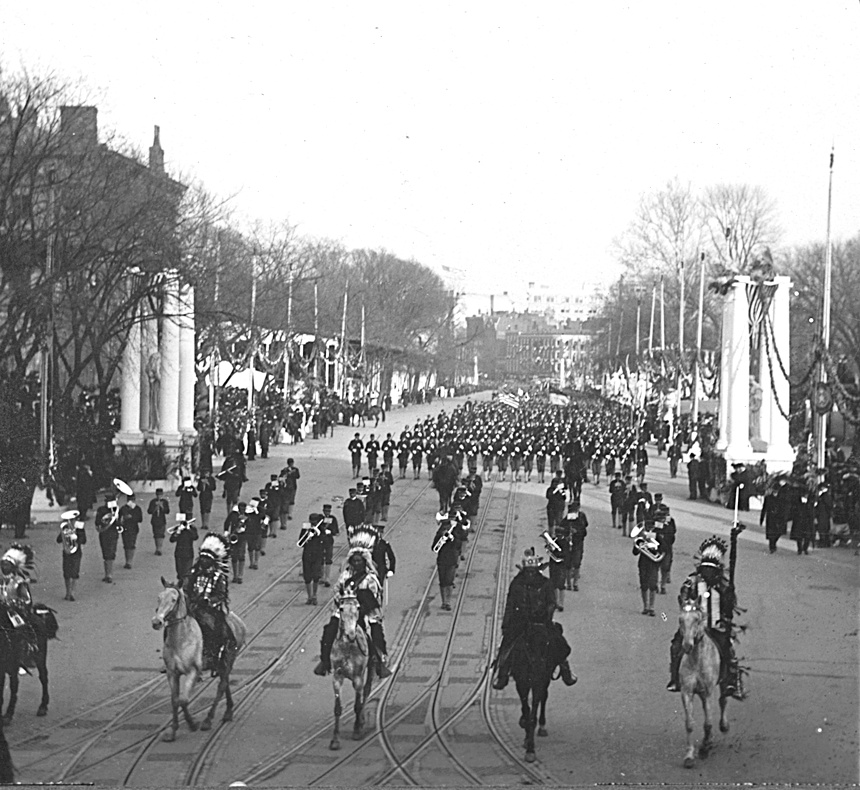
Geronimo’s life as a public spectacle, however, didn’t end with his imprisonment in Florida. Though still classified as a prisoner of war, Geronimo was permitted to appear at the 1898 Trans-Mississippi and International Exposition in Omaha, Nebraska, the 1901 Pan-American Exposition in New York, and the 1904 World’s Fair in St. Louis, Missouri. Theodore Roosevelt even recruited him for his inauguration parade, saying, “I wanted to give the people a good show.”
After many years of travel and exposure, Geronimo died of pneumonia in 1909 in Oklahoma, never making it back to his homeland. He’s now buried at Fort Sill, and, according to a long-circulating allegation, members of Yale’s Skull and Bones society removed Geronimo’s skull from the grave in the early 20th century, though definitive proof has never emerged.
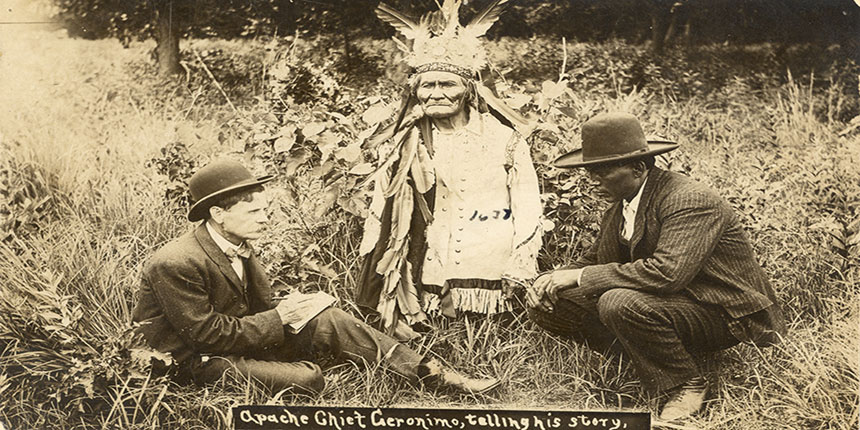
Today, you’ll find the fort that held Geronimo as part of the Gulf Islands National Seashore.
Geronimo’s impact in boosting visitors to the area is undeniable, but it likely extended the Apaches peoples’ imprisonment, never allowing them to return home to Arizona.
Become a Saturday Evening Post member and enjoy unlimited access. Subscribe now