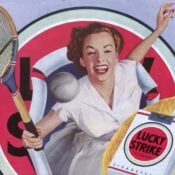
Vintage Ads: Tennis, Anyone?
Throughout the 20th century, tennis signified that you were a member of the leisure class, and companies used that image to sell everything from soda pop to cigarettes.
Throughout the 20th century, tennis signified that you were a member of the leisure class, and companies used that image to sell everything from soda pop to cigarettes.
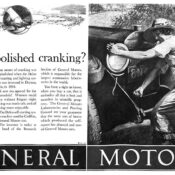
The electric starter made driving much most pleasant.
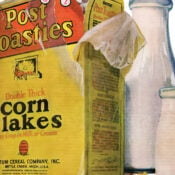
Originally called Elijah’s Manna, referring to the edible substance God gave the Israelites in the desert, Post renamed the cereal Post Toasties under pressure from religious groups.
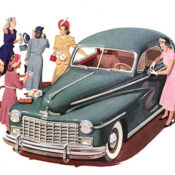
For five decades, Dodge promoted their vehicles in The Saturday Evening Post. Here are a few of our favorites Dodge advertisements.
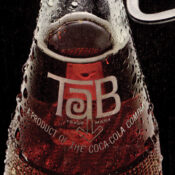
Coca-Cola introduced the diet soda Tab to a weight-conscious America in 1963, calling it the drink of beautiful people.

It’s George Washington’s actual birthday, so we thought we’d look at a few ads that used the stately Founding Father to sell everything from insurance to magazines (including ours).
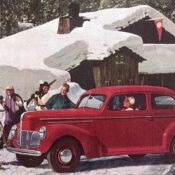
As the Great Depression ended, roads improved, and air travel become more accessible, opportunities for travel – especially during the chilly winter months – were richer than ever.

Why cheat yourself when you can treat yourself? These mid-century ads put an acquisitive spin on New Year’s resolutions.
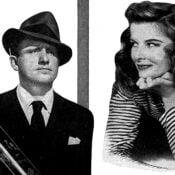
When Hepburn first walked up to Tracy, she noticed she was an inch taller than him. She said, “I’m afraid I’m a bit tall for you, Mr. Tracy.”
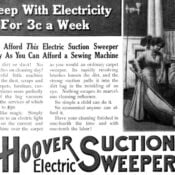
More than one husband bought a vacuum cleaner as a Christmas present for his wife.

“Do you have Prince Albert in a can?”
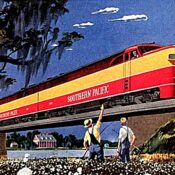
Throughout the 1900s, railroads encouraged Americans to travel by train to explore the country, and do it in style.
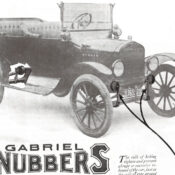
Gabriel Snubbers: Save yourself and your car.
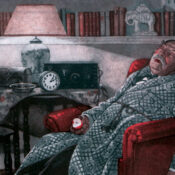
No, this isn’t an advertisement for lounge chairs, radios, or headphones.

Fifty-seven. It’s probably the most famous number in advertising.
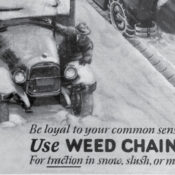
According to family legend, Harry D. Weed of Canastota, New York, got his idea for chains when he saw drivers wrapping their tires with ropes to improve their traction.