Comic books dwell in a world of drama, pathos, and mysterious, often shady, characters. But the four-color stories that pack their pages don’t come close to the real-life intrigue and general weirdness over the course of the medium’s 90-year history. Here are ten wild-but-true stories from the good old days when comic books ruled the newsstands.
1. The Superman Duo Get Their Due
In 1938, writer Jerry Siegel and artist Joe Shuster sold all rights to Superman to National Allied Publications (later known as DC Comics) for $130 (about $3,000 today) and an assurance they would be the character’s primary creative team.
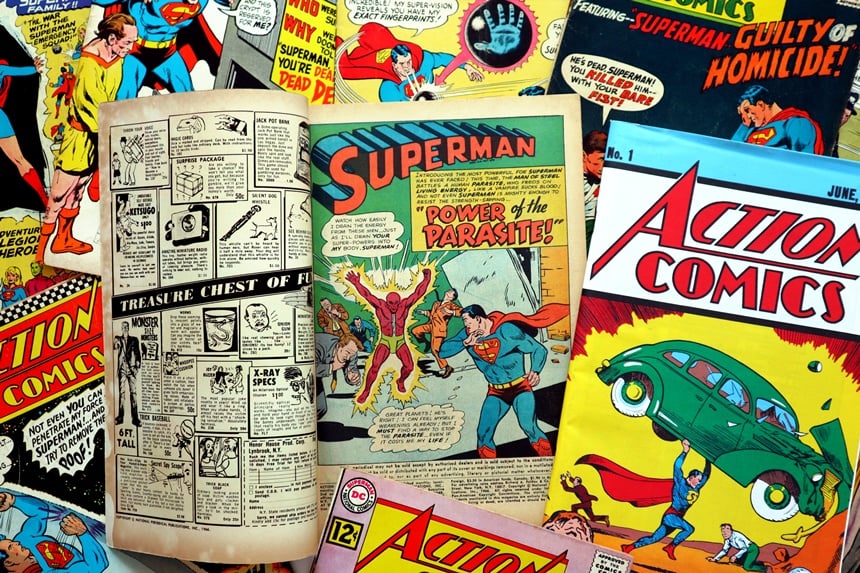
The duo eventually became disenchanted when they saw how much money the Man of Steel was generating for National but not for them and sued National in 1946. They received a settlement but were let go from the character they had created, and by the 1970s both men were living in poverty. It took the 1978 movie Superman to bring their plight to the public’s attention, and the news media and comic book fandom were all over it. Publicly shamed, DC Comics agreed to pay Siegel and Shuster $20,000 a year each for the rest of their lives. But more importantly, it also guaranteed a “created by” credit on all Superman comic books and related media in perpetuity.
2. Wonder Woman’s Creator Was a Bit Unorthodox
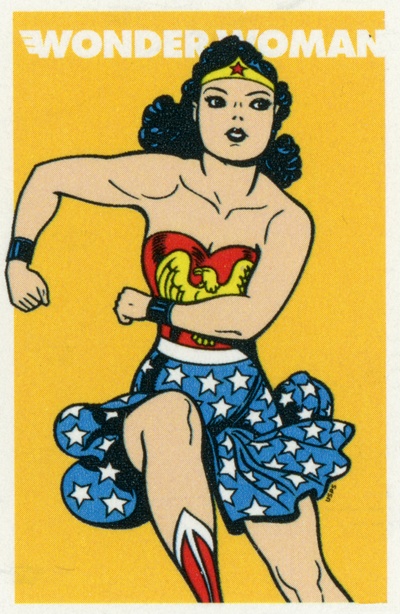
Wonder Woman was created by Harvard psychologist William Moulton Marston and debuted in All-Star Comics #8 in 1941. Marston was an iconoclast and very much ahead of his time. He believed that women were superior to men in numerous ways, a belief that would be reflected within the pages of Wonder Woman. Bondage was a recurring theme in Marston’s stories, to the point where his editor, Max Gaines, had to tell him to tone it down. He lived in an open marriage with his wife, Elizabeth, and a much younger woman named Olive Byrne during an era when such relationships turned heads. (Wonder Woman was based on both women.) But Wonder Woman wasn’t Marston’s only creation. He was also involved in the development of the lie detector.
3. These Well Known Authors Also Wrote Comics
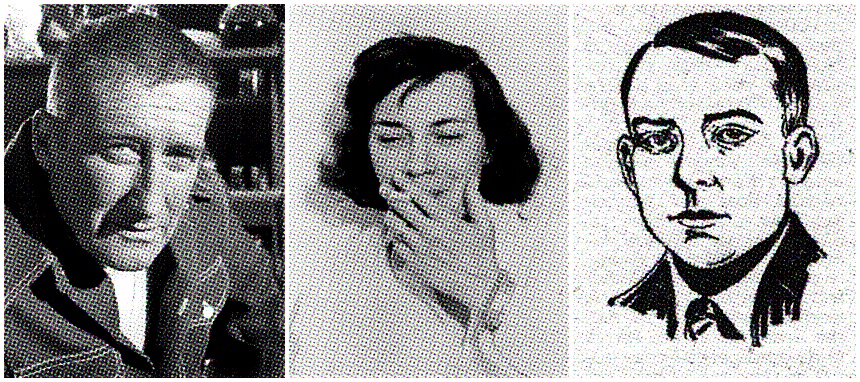
Aside from being well-known authors, what do Mickey “I, The Jury” Spillane, Patricia “The Talented Mr. Ripley” Highsmith, and Edmond “Captain Future” Hamilton have in common? They all wrote for comic books early in their careers! Highsmith wrote for a number of titles in the 1940s, including Jap-Buster Johnson and The Destroyer for U.S.A. Comics, as well as text features about historical figures such as Catherine the Great and fighter pilot Eddie Rickenbacker. Spillane wrote for Sub-Mariner, Captain America, and Human Torch before finding success with Mike Hammer, while Hamilton, a popular pulp writer, had a lengthy gig writing stories for Superman.
4. A Stealthy Letterer Stole Into Clients’ Homes
Letterers are as essential to comic books as writers and artists, and Ben Oda was one of the best – and most revered. He lettered stories (and created logos) for numerous publishers, as well as for several prominent comic strip artists, from the ’40s on. Indeed, Oda’s reputation was such that he had keys to many of his clients’ homes, and it wasn’t unusual for him to sneak into their houses in the middle of the night, quickly letter the day’s work, and quietly slip away without saying a word.
5. Jack Kirby…Romance Writer?

Jack Kirby’s influence as a comic book writer and artist cannot be overstated. Over the course of his career, he co-created Captain America, Kid Commandos, The Fantastic Four, The Hulk, and many, many other seminal characters. Surprisingly, Kirby, with partner Joe Simon, was also responsible for developing Young Romance, the very first romance comic, in 1947. Published by Crestwood Publications, Young Romance was a tremendous hit, and competitors noticed. By the end of the decade, reports American Comic Book Chronicles: 1945-1949 (TwoMorrows Publishing), an estimated 118 romance titles were crowding newsstands.
5. Art Imitates Life

Crime comics were another popular genre, and Crime Does Not Pay, published by Lev Gleason Publications, was one of the most popular titles, selling hundreds of thousands of copies per month. Editor/writer Bob Wood rode this gravy train to the end of the line, when the public outcry over the violence in crime comics brought the genre to a hasty end. Wood had trouble finding work and started drinking. In August 1958, he murdered a woman with whom he had been carousing in a seedy hotel for 11 days. The former King of Crime Comics served three years in Sing Sing. A year after his release, Wood was killed in an automobile accident while crossing the street.
7. MAD Keeps Its One Subscriber

For many years, William Gaines, the publisher of MAD magazine, treated his most prolific writers and artists to extravagant vacations around the world. The first trip took them to Haiti, where the magazine’s sole subscriber had let his subscription lapse. As a joke, Gaines piled everyone into a rented jeep and drove to the young man’s house, where they begged him to resubscribe. And he did!
8. Li’l Abner Isn’t So Good-Natured Behind the Scenes

In their heyday, Ham Fisher, the creator of Joe Palooka, and Al Capp, the creator of Li’l Abner, were superstars of the comics pages. They were also bitter enemies who engaged in a years-long feud over the origins of Li’l Abner that ultimately destroyed them both. Their animosity came to a head when Fisher, in a pique, accused Capp of hiding pornographic images within the panels of Li’l Abner. Almost no one believed the accusation, and it destroyed Fisher’s reputation. He was drummed out of the National Cartoonists Society and took his own life shortly after. But Capp was no saint. In the 1960s and ’70s, several women accused him of sexual impropriety. Capp pled no contest to certain accusations, which led to hundreds of newspapers dropping Li’l Abner from their pages.
9. KISS Gets Its Own Comic

In 1977, members of the popular rock band KISS found themselves in their own Marvel comic book. As a publicity gimmick, Gene Simmons, Ace Frehley, Paul Stanley, and Peter Criss had samples of their blood drawn so it could be added to the red ink at the printing plant. A notary public certified the authenticity of the blood draw, and the band flew to Depew, New York to watch the printing take place.
10. Artists Had Some Surprising Inspirations
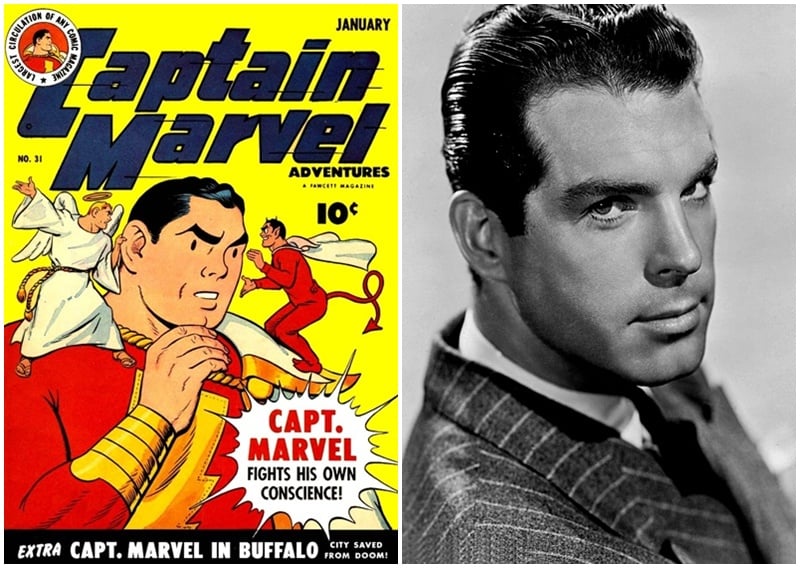
Artists find inspiration in the most unusual places. For example, actor Fred MacMurray of My Three Sons fame was the visual inspiration for Captain Marvel, Fawcett’s answer to Superman. Dr. Sivana, Captain Marvel’s arch nemesis, was modeled after cartoonist C.C. Beck’s hometown pharmacist, right down to his white smock.
Become a Saturday Evening Post member and enjoy unlimited access. Subscribe now