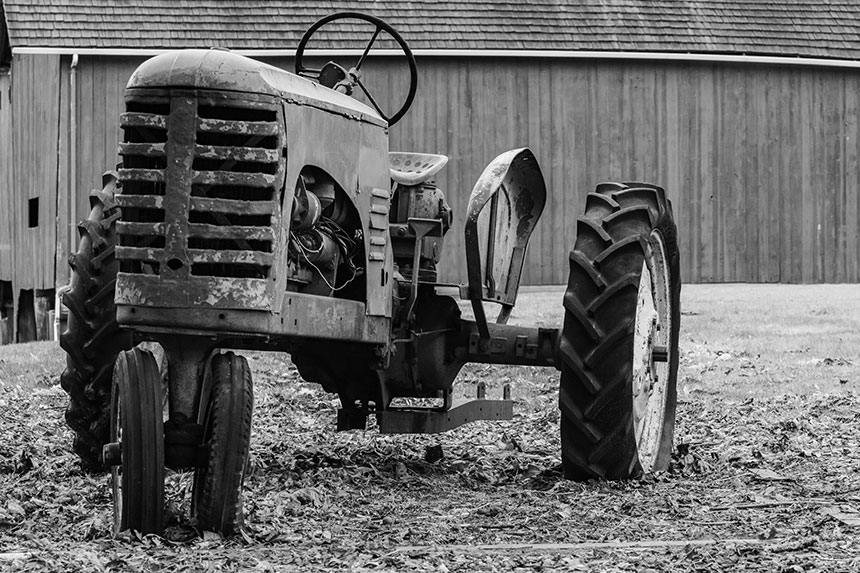
Two times a month, my wife and I drive 100 miles to our farm in southern Indiana. We’ve been doing it for 45 years, so have made the trip over a thousand times. I could drive it in my sleep, and have several times. It’s an easy drive, except for the first 25 miles from our main residence to the interstate on potholed back roads. After that, it’s a quick sprint to the farmhouse and its pastoral charms. I feel about those 25 miles the same way I feel about winter. It’s a long slog and I’m glad when it’s done. March leaves the same impression. The dark, gray cold of winter is in the rearview mirror, the magic of spring fast approaching.
Before I purchased my first internal combustion engine (encased by a 1968 VW Beetle) at the age of 17, March was a lazy month. No grass to mow, diminishing amounts of snow to shovel, too cold to plant the garden, too warm to fill the woodstove. It was, at one time, my favorite month of the year.
But with internal combustion engines came the preparation for their summer use. Now I spend March readying my mowers, motorcycles, weed eaters, leaf blowers, and generators for the vagaries of spring and summer. I own two tractors, both of which have sat exhausted in the barn all winter, in need of revival — fresh oil, new filters, sharpened blades, new spark plugs, tires patched and inflated, bearings lubricated, decks scraped clean of last year’s grass. It’s been a year since I’ve serviced the tractors, so can never remember the oil and air filter numbers, requiring several trips to the equipment store in the next county over. Nor can I recall the correct socket to use to loosen the blades, so must crawl underneath my mowing deck umpteen times until the right one is found. I’m no spring chicken, so each trip under the tractor ends in a hospital visit.
When I’ve settled upon the correct socket, and tried to remove the nuts without success, I remember I’m not strong enough to loosen them myself, so must hook up an impact wrench to my air compressor, which, when I turn it on, causes the circuit to trip, necessitating a trek across the yard to reset the breaker box in the basement after unplugging everything else on the circuit. We have two homes, both on the verge of erupting in flames at any moment.
Each tractor requires a day of preparation and a day of actual work, which is a walk in the park compared to the motorcycles I must also ready for summer. Carburetors to clean and adjust. Chains and cables to inspect, adjust, and lubricate. Valves to calibrate. Tires to balance and inflate. Wheels to polish. Tanks and fenders to wax. Fuel to drain and replace. Nuts and bolts to snug. Bugs to scrape. I have four motorcycles and require four days to revive them. One of them is bound to fall on me, pinning me to the garage floor until my wife notices my absence at the dinner table and goes in search of me. Don’t let anyone ever tell you motorcycles aren’t dangerous. I’m not even out of the garage before I’m down on the ground, battered and bruised.
I place the blame on my March difficulties directly where it belongs, on Robert Street, who patented the first internal combustion engine in 1794. Before that, men were content to mow with goats and then, on warm days, clothespin playing cards on their bicycle forks and go merrily down the road.
Philip Gulley is a Quaker pastor and author of 22 books, including the Harmony and Hope series, featuring Sam Gardner.
This article is featured in the March/April 2026 issue of The Saturday Evening Post. Subscribe to the magazine for more art, inspiring stories, fiction, humor, and features from our archives.
Become a Saturday Evening Post member and enjoy unlimited access. Subscribe now
Comments
Pastor your story restored my soul! The path you travel each March makes me thank the Lord I gave up my job and sold my old car! Bless you!
Pastor Gulley, your article left me entertained, shocked, and concerned for your safety. I don’t want to see you becoming Indiana’s counterpart to Jay Leno in recent years. He’s a lot like you, the dangerous type. In your case it’s motorcycles, in his it’s the cars.