Stop the Burn
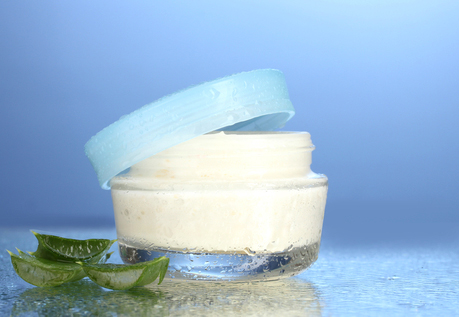
Gone are sunscreens touting SPFs over 100 since federal regulators put the kibosh on the sky-high numbers that proved more hype than help. New labels now advise shoppers when to reapply and whether products protect from burns, cancer, or both. But when sunburn strikes (and it can happen to the best of us), get out of the sun and head to the first-aid and skin-care aisles of your pharmacy for products that can stop the burn.
For burns that hurt:Try an anti-inflammatory like ibuprofen, a low-dose hydrocortisone cream, aloe spray, or Eucerin Calming Cream that’s been refrigerated for a few hours. Other skin soothers include Noxzema Original cold cream, taking a lukewarm bath with Aveeno Collodial Oatmeal (and no soap), and covering unbroken skin with a tea- or vinegar-soaked cloth.
For burns that bubble: Blisters heal best on their own, so resist the urge to pop them. Instead, cover sensitive areas with sterile gauze secured with medical tape, and wait them out.
And a final caution: Numbing sprays such as benzocaine can feel great at first but are notorious for causing an itchy rash. Additionally, aloe gels containing alcohol can worsen already dry skin. Leave them on the shelf.
Gettysburg 150 Years Later
Commemorate the 150th anniversary of the pivotal Civil War battle by reflecting on original reports and illustrations from The Saturday Evening Post.
Little-Known Facts About the Civil War
Did you know Lincoln wanted Robert E. Lee to command the Union Army? Or that more than 10,000 Native Americans fought in the war?
‘Coming Generations Will Call You Blessed’
An army surgeon writes of his gratitude to the civilian volunteers of the Sanitary Commission, seeing them as a sign that mankind has entered a new era.
Little Women Among the Casualties
In 1863, the Post published Louisa May Alcott’s harrowing description of her work as a Civil War nurse.
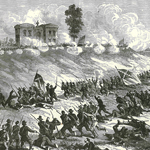
Where the Civil War was Won
How the Post covered the Battle of Gettysburg.
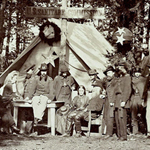
Americans United to Support the Civil War Troops
Thousands of soldiers’ lives were saved by a special organization of volunteers.
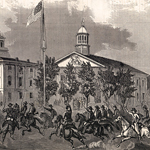
Scrambling for Troops
The news of the Confederates’ invasion inspired Philadelphia, panicked Harrisburg, and brought renewed attention to the draft.
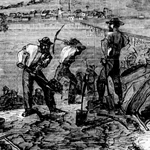
The News from Gettysburg: A Hazardous Move
We begin a series of the Post‘s reporting on the Gettysburg Campaign with the initial news of the invasion and hopes that a state militia could defeat Gen. Robert E. Lee.
The News from Gettysburg: A Hazardous Move
We begin a series of the Post’s reporting on the Gettysburg Campaign with the initial news of the invasion.
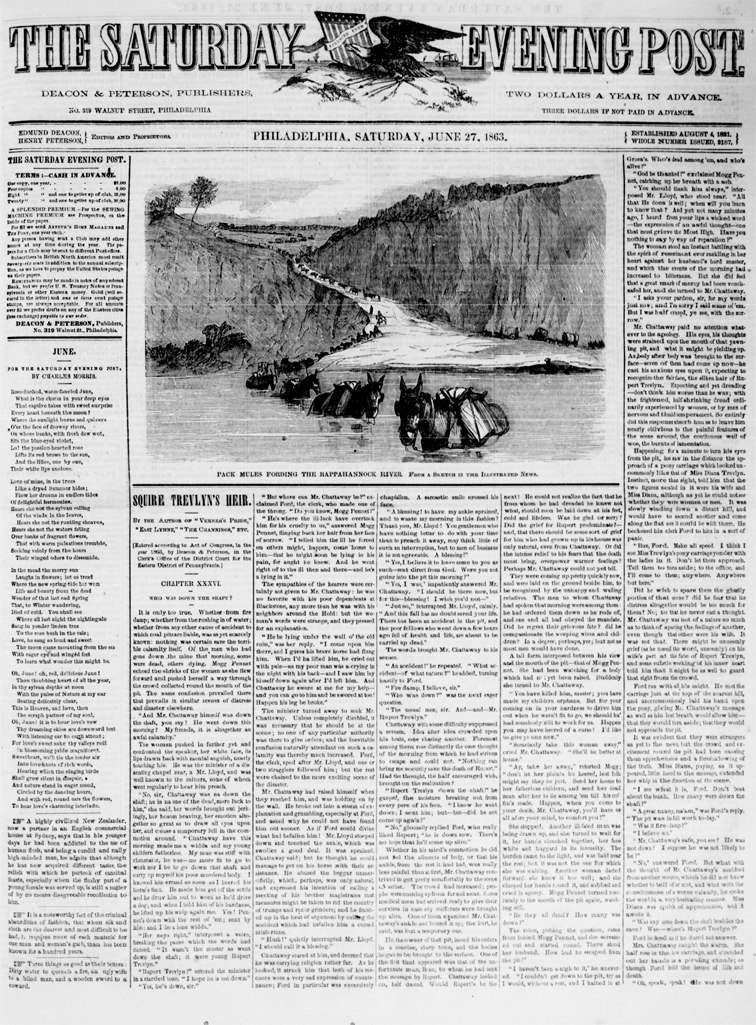
As was its style, the Post presented the news on Page 2 of the June 27, 1863, issue. Beneath a simple headline, “The War,” it calmly announced the opening of what would become a pivotal moment in United States history:
“Since our last issue, we have had a considerable amount of excitement in this city, owing to the reports of a rebel inroad into Maryland and Pennsylvania. Exaggerated as those reports so far have been, it is better to be prepared for the worst, than to run any risk in such a serious manner.”
The early reports were not encouraging, the article added. The federal government had believed the Confederate army, under General Robert E. Lee, was camped near Chancellorsville, Virginia, directly across the Rappahannock River from the Union army. But starting in June, Lee had quietly begun withdrawing his 70,000-man army and marching them north, toward Maryland and Pennsylvania.
Ahead of him lay only small, scattered groups of Union forces. The first to encounter the advancing rebels were the 7,000 Yankees at Winchester, Virginia. They were quickly brushed aside and then, wrote the editors, Pennsylvania “lay open for the moment to any rebel body which had the temerity to enter.”
On June 19, the Confederates had crossed into Maryland. Two days later, they entered Pennsylvania. When they reached Chambersburg on June 28, they were still 160 miles from Philadelphia, and the Post’s offices. But those miles were nearly empty of any defending troops; the Union army had begun chasing after Lee’s army on June 11, but they were still south, unable to protect Philadelphia or Washington, D.C.
Yet the Post editors remained confident that the men of Pennsylvania could, and would, throw the invaders back across the Mason-Dixon Line. They assured their readers that a state militia could be quickly formed, and it would be far more effective than expected. “We hear, in these times, a great deal of underrating of the militia, as unreliable against veteran troops. Men are disposed to think it useless to trust our safety to such a force. But it seems to be forgotten that these militia are now upon the soil of their own states, fighting in defense of all that we hold dear.”
The Post explained that militia soldiers of the South had proven they could be highly effective in pushing back the Union armies that entered their states. (Though, when they had to fight beyond their state lines, their effectiveness disappeared. “They failed thus at Antietam, and South Mountain, and Perryville, and Mill Spring, and other places.”)
The North shouldn’t dismiss the fighting skills of raw recruits, the article maintained. They had heard witnesses from several battles say raw troops had performed just as well as veteran soldiers, sometimes even better. After all, it was a hastily formed militia that won the famous Revolutionary war battle of Bunker Hill, not to mention the War of 1812’s Battle of New Orleans.
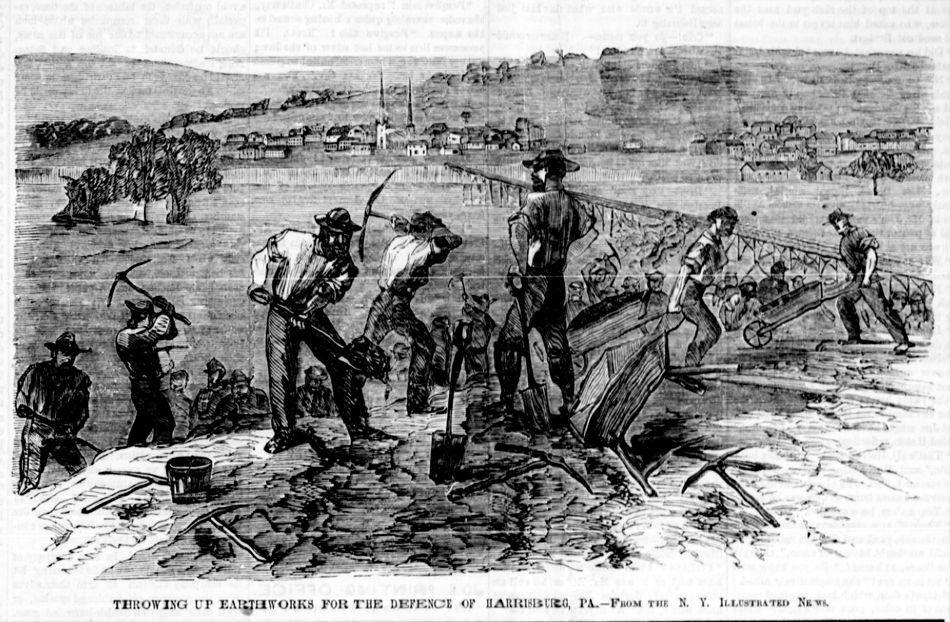
Regardless of how well this green militia could fight, it was all the state had to defend itself until the Union’s Army of the Potomac could arrive. Pennsylvania’s governor called for 90,000 men to form a state militia, and hundreds of men traveled to Harrisburg to muster in. But when they arrived, many changed their minds upon learning the enlistment period of six months was longer than they thought necessary to meet the crisis.
Instead of criticizing their lack of spirit, the Post agreed with the volunteers’ decision not to enlist: “We do not censure in the least, those of our citizens who recently returned from Harrisburg, because their business engagements did not admit even a conditional pledge to serve for six months.” If the emergency were truly short-lived, they argued, there wouldn’t be any need for such a long enlistment.
Seeing the poor response, the governor reduced his request to 60,000 men and an enlistment of just three months.
While the debate about terms of service continued, the Confederates were helping themselves to the riches of Pennsylvania. Rebel troops who had long been living on short rations in a countryside ruined by war suddenly found themselves among the fat livestock and bulging granaries on Pennsylvania Dutch farms. Lee had ordered his men not to take from the local farmers, but to pay for what they requisitioned in (valueless) Confederate money. But many Confederates didn’t bother with such niceties as payment as they helped themselves to livestock, crops, furniture, clothing, and anything that could be loaded onto a wagon. Even worse, several hundred black Americans—some escaped slaves as well as fourth-generation free Pennsylvanians—were being seized and sent south to be sold as slaves.
No one in the North could be sure where Lee was headed, or what he had in mind. A report filed in the Post on June 28 indicated Harrisburg was the likely target. “The capital of the state is in danger. The enemy is within four miles of our works and advancing. The cannonading has been distinctly heard for three hours.”
Northerners knew that if Lee could take Harrisburg and its resources, he might easily turn southeast and seize Washington, D.C., just 120 miles away.
The Post’s editors never lost faith in Pennsylvania, or the Union. They believed Lee had made a bold move, but a hazardous one. “Properly improved on the part of the North and the Government, it may have the most favorable results. Let the friends of the Union seize now the propitious moment.”
What the Post didn’t know was that the Union army was closer than they, or Lee, expected.
Coming Next: Scrambling for Troops
Best Barbecue Techniques
Editorial Director and Associate Publisher Steven Slon shares essential rules of open-fire cooking.
Brazilian Chicken and Black Bean Stew
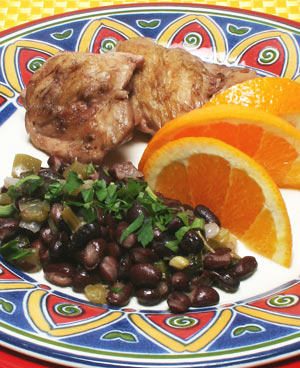
To look good in their infamously skimpy bikinis, food-loving Brazilians must watch what they eat. So it is no surprise that in her recent cookbook, The Brazilian Kitchen, Leticia Moreinos Schwartz, who was raised in Rio de Janeiro’s Ipanema, offers lighter versions of popular Brazilian dishes while still giving them alluring flavor.
“I fix the heaviness and use simple-to-find ingredients,” Schwartz says. Her interpretation of the stew called feijoada (fey-zhoo-ah-dah), an elemental dish of Brazil, is a perfect example. Instead of the fatty pork Brazilians normally use, Schwartz uses chicken. Skinless thighs are ideal, but I find bone-in breasts work well, too.
I also streamlined the cooking time in my version of Brazilian chicken and black beans by using canned beans rather than dried. In addition to saving time, this lets me prepare the dish to serve six rather than the huge potful that Schwartz cooks up to feed a crowd.
Brazilian Chicken and Black Bean Stew
(Makes 6 servings)
Ingredients
- 2 tablespoons canola oil, divided
- 2 pounds skinless chicken thighs with bone or skinless breast with ribs or combination
- ½ cup fat-free, reduced-sodium chicken broth
- 1 ¼ cups chopped onion
- ¾ cup chopped celery
- ¾ cup chopped green bell pepper
- ¾ cup chopped scallions, green and white parts
- 3 garlic cloves, chopped
- 2 bay leaves
- ¼ teaspoon freshly ground nutmeg
- 2 (15-ounce cans) black beans, rinsed and drained
- Salt and freshly ground black pepper
- ⅛ teaspoon cayenne pepper, or to taste
- 2 tablespoons chopped flat-leaf parsley
- 1 large navel orange, cut in 6 wedges
Directions
- In large Dutch oven, heat 1 tablespoon oil over medium-high heat. Add chicken and cook until golden brown, 4 minutes on each side. Using tongs, transfer chicken to large bowl. Cover bowl with foil.
- Add broth to pot and scrape bottom of pot while boiling, gathering up all browned bits.
- Pour broth over chicken. Seal foil tightly over bowl and set chicken aside. Using paper towel, wipe out pot.
- Return pot to medium-high heat and add remaining oil. Add onion, celery, green pepper, and scallions to pot and cook, stirring occasionally, until soft, 5 minutes.
- Add garlic and cook, stirring, for 1 minute. Add bay leaves and sprinkle nutmeg over vegetables. Arrange chicken pieces over vegetables, reserving liquid in bowl.
- Spread beans over chicken. Pour liquid from bowl over beans. Cover and simmer until chicken thighs are falling-apart tender, 30-35 minutes. If using breast, cook until white in center at thickest part, 20-25 minutes.
- To serve, divide chicken among 6 dinner plates. Remove bay leaf. Mix to combine beans and vegetables, and season to taste with salt, pepper, and cayenne. Spoon liquid from pot over chicken and ⅔ cup beans and vegetables alongside chicken. Garnish with parsley and orange wedges. Serve hot, warm, or at room temperature. Leftovers keep in tightly covered container in refrigerator for 4 days.
Nutrition Facts
Per Serving:
Calories: 330
Total fat: 10 g
Saturated fat: 1.5 g
Carbohydrate: 28 g
Fiber: 9 g
Protein: 32 g
Sodium: 180 mg
The Double No-Hit Champion
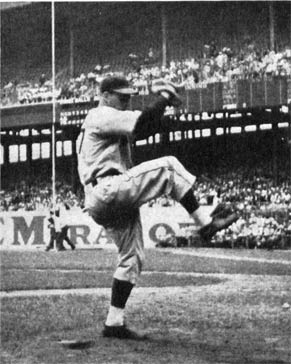
How does it feel to surpass everything you’ve ever done? What goes through your mind while you’re succeeding beyond your wildest expectations?
For Cincinnati pitcher Johnny Vander Meer, the realization that he was close to setting a major league record didn’t occur to him until someone else told him. As he was walking to the pitcher’s mound just before the sixth inning in a 1938 game against the Boston Bees, the opposing team’s manager called out to him, “We’ll get a hit this inning for sure.” Only then did Vander Meer realize that, so far, he had pitched a no-hit game.
In an article he later wrote for the Post (“Two Games Don’t Make a Pitcher,” August 27, 1938), Vander Meer recalled that the news didn’t bother him. He wasn’t trying for a no-hitter, after all. But as the innings passed and he continued to frustrate the Boston batters, Vander Meer began to realize he might soon join the small group of athletes who have pitched no-hitters.
In the ninth inning, the game seemed to be slipping from his grasp. The final batter almost ruined things when he hit a pitch toward third base. But Vander Meer had so much confidence in his team’s third baseman, “I started walking to the bench even before the play was completed.”
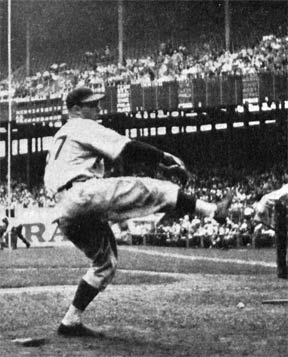
Vander Meer had pitched a no-hit game—his first and, given their rarity, likely to be his only.
Yet, four days later, in a game against the Brooklyn Dodgers, he did it again. It was the first time a pitcher had thrown two no-hit games in a row. It hasn’t been done since.
We ask a moment’s indulgence from baseball fans to explain to unschooled readers what makes a no-hitter so remarkable. In a no-hit game, a pitcher throws so well that the opposing team never productively puts bat to ball. They may hit a foul or put a ball “in play” that is caught for an out, but there are no base hits. It’s hard enough to do against a single batter; against 27 batters, it’s a rare achievement. More than 380,000 major league games have been played since 1876. Only 277 were no-hitters, which averages to about two per year.
Remarkably, few pitchers have thrown more than one no-hitter in their career. Vander Meer threw two, both within a week of each other.
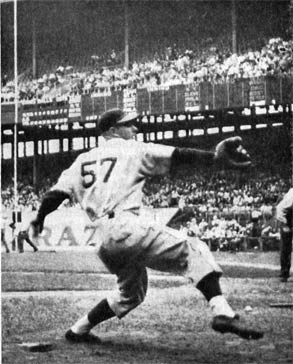
What makes the achievement more remarkable is the fact that Vander Meer was still a young, unseasoned player. He hadn’t shown a lot of talent in his brief time in the major leagues. He had only been brought up from the farm team the year before. After winning three games and losing four, he was sent back to the minors. Late in ’37, Cincinnati brought him back and signed him for the next season.
Vander Meer didn’t feel confident about his pitching that spring. Then, in a May game, it all came together. On May 20, he shut out the New York Giants. Soon after, on June 11, came his first no-hitter.
Few expected him to achieve another when he started his next game on June 15. But when he quickly struck out the first Brooklyn Dodger, a gust of hope fanned through the Cincinnati fans in Ebbets Field. He wrote that after retiring two more batters, he felt everyone on the Cincinnati bench and in the crowd of 38,000 thinking about his chances of pitching another no-hitter.
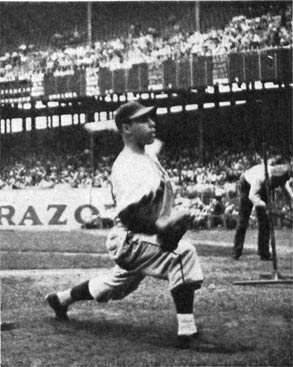
Vander Meer firmly pushed this idea from his mind, as well as the fact that this was the first game his father and mother saw him pitch. Instead, he focused on pitching as evenly and as capably as he could.
Twice, he got into trouble. In the seventh inning, he walked two players. But he struck out the next man, and the last batter was forced out by Cincinnati’s second baseman.
By the ninth inning, the crowd was on its feet. Both Brooklyn and Cincinnati fans were cheering lustily for another no-hitter. Vander Meer barely heard them; the sound of their roaring came to him “like the faraway buzzing of bees.”
He had to work on distancing himself from the crowd’s expectations, but he could feel himself responding to their pressure. “I started hurrying my delivery. I wanted to get the game over fast,” Vander Meet wrote. He struck out the first Brooklyn batter. Now only two remained before he could set a major-league record.
“Then,” he wrote, “I lost control.” He walked the next batter. And the next one. And the next one. The bases were now loaded.
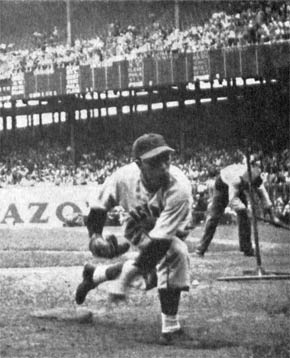
The Cincinnati manager came out to the mound. He quietly told Vander Meer, “You are trying to put too much on the ball, John. Just get it over there.” As he turned back to the dugout, he added, “Those hitters up there are scared to death.”
It wasn’t the words that restored Vander Meer’s confidence, but the way they were spoken. He felt his confidence and control return. He relaxed as he pitched to the next Dodger, who hit a groundball that was fielded by the third baseman, and a runner was forced out at the plate. The last Dodger came to bat, and hit a shallow fly ball, which the Cincinnati center fielder caught for the third out. And the crowd, we can safely assume, exploded into pandemonium.
Except for that last inning, which remained vivid in his memory, Vander Meer could recall very little of those two record-setting games “except a few little odds and ends. I remember Babe Ruth coming on the field to shake hands with me before the Brooklyn game. Otherwise, the evening passed in a haze.”
Obviously, Cincinnati fans were hoping for a third, sequential no-hitter in the next game. Again Vander Meer faced the Boston Bees. But in the third inning, Debs Garms, a Boston outfielder, hit a single. Vander Meer felt immediate relief. “I think if I’d have had a 10-dollar bill in my baseball pants, I’d have gone over to first base and handed it to Garms. By that time the tension on me was getting pretty severe and I was happy when the hitless spell, which had lasted through 22 and 2/3 innings, finally was broken.”
Unfortunately, his double victory was the high point of Vander Meer’s career. He quickly settled down to become a competent pitcher who continued to have problems with ball control. He lasted only a few seasons in the major league before returning to the minors.
How does it feel to know you once had the skill to pitch back-to-back no-hitters, and maybe still had it, but could no longer find it inside yourself?
Vander Meer hung on with baseball, moving between minor league teams until, in 1952, he wound up in the Texas league with the Tulsa Oilers. Then, one night while playing the Beaumont Roughnecks, the old magic returned. On that night, Johnny Vander Meer, after a 14-year drought, pitched a third no-hit game.
Classic Covers: Father’s Day, 1950s Style
Enter the prosperous 1950s, when Dad was king of his suburban castle. The nuclear family had followed the new interstate system right out of the city and settled into small communities of manicured lawns, picture windows, and Sunday barbecues. And Dad outside the city limits proved to be a perfect character for the situational comedies portrayed on Post covers. Join us in a fun look at ’50s dads (or should we say daddy-os?). They just may remind you of someone you love.
Pop vs. Pup
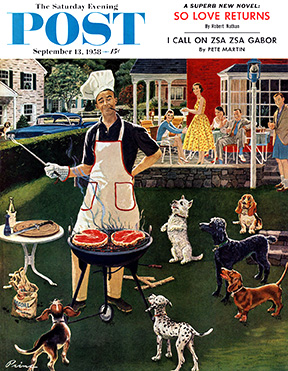
Ben Prins
September 13, 1958
© SEPS
Sending out smoke signals has made this dad popular with more than just his family. Artist Ben Prins got the idea for the cover while outside feeding his children’s three cats. Post editors wrote that dogs would “drop around to pass the time of day” during chow time at the Prins residence.
Bad Dad
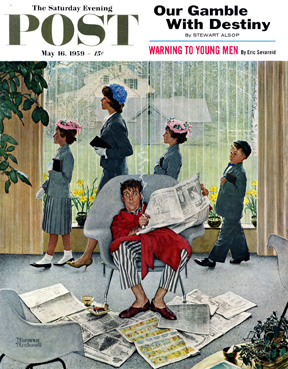
Norman Rockwell
May 16, 1959
© SEPS
“This is my favorite Post cover for Father’s Day,” emailed reader Bob McGowan of California. “It’s best known as Sunday Morning, but I’ve nicknamed it ‘Bad Dad,’ as he knows he should be dressed in his Sunday best, also headed out the door to church with Mom and the youngsters.” [See how to get your favorite covers featured below.]
Rockwell’s obsession with detail shows in this 1959 cover. He went to several furniture stores until he found just the right chair for this “bad dad” to slink in. And, if you click on the image for a close-up view, you’ll see a more mischievous detail: The artist arranged “horns” into the sinner’s disheveled hair.
Father Figure
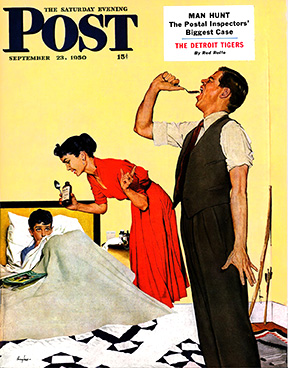
George Hughes
September 23, 1950
© SEPS
Is there no sacrifice too great for Dad? The problem with proving that the medicine is not so repulsive is that Pop is a lousy actor. Even without the giveaway expression, editors noted, “Junior wouldn’t have fallen for the treachery. Every youngster learns at the dinner table to mistrust what his parents say tastes fine until he finds out for himself.” Artist George Hughes, who did 115 Post covers, knew all about parental scams: He had five daughters.
Gone Daddy Gone
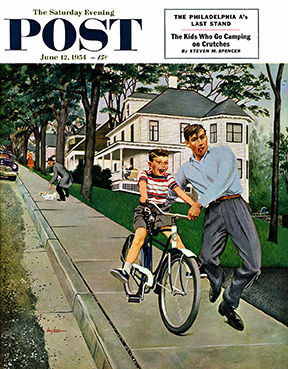
George Hughes
June 12, 1954
© SEPS
“It is heartwarming,” wrote Post editors of this Hughes cover, “to see how this boy trusts his father to halt that vehicle before both teacher and pupil land on their ears. It is heart-chilling to see how the father doesn’t.”
Father Knows Best?
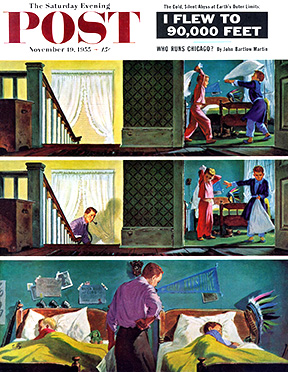
Thornton Utz
November 19, 1955
© SEPS
“Old folks are so fussy about noises at night,” wrote Post editors of this 1955 cover. “They hear a burglar, and they grope downstairs, and there is none, or they hear a pillow fight, and grope upstairs, and there is none. If [artist] Thornton Utz’s father doesn’t stop fussing around, he’ll wake those boys up.” Right. This dad isn’t buying it; the readers aren’t buying it; and, admit it, neither did your dad.
Do you have a favorite Post cover? Tell us about it and we’ll feature it with your comments in an upcoming cover art piece! If you don’t know the date or artist, just give us a brief description. Send to [email protected].
See our collection of cover art here.

Art Licensing
For licensing information, please visit curtispublishing.com,
call 317-633-2070, or email [email protected].
Pass the Fish Tacos, Please
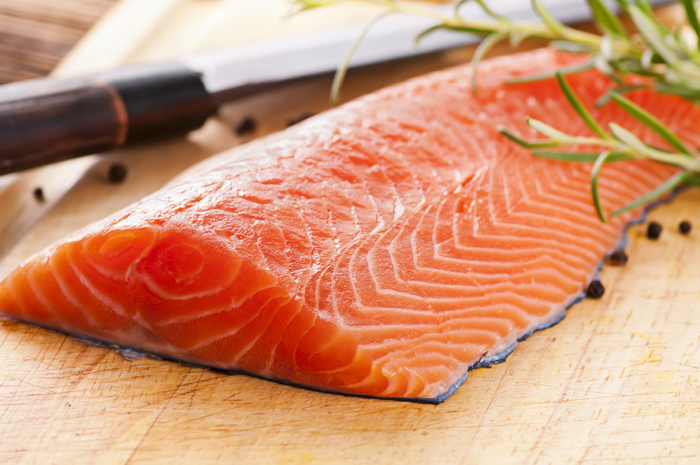
There’s solid proof that omega-3s support cardiovascular, cognitive, and joint health. But an important question lingers in the air: Do seafood and fish oil supplements offer equal protection?
“Fish oil supplement is not the same as eating whole fish. In fact, recent research found that omega-3s in capsule form may not provide any actual benefits to your heart health. That’s why I recommend my patients follow the Dietary Guidelines for Americans and consume 2 to 3 servings (8 to 12 ounces) of seafood each week,” says Dr. Lori Mosca, Professor of Medicine at Columbia University Medical Center and Director of Preventive Cardiology at New York-Presbyterian Hospital.
Interestingly, both women and men need the same amount of fish each week to support heart health and reduce heart disease risk. One serving is about the size of the palm of your hand, says Dr. Mosca who offers these simple ideas for powering family meals with omega-3s by replacing your usual protein with fish:
Breakfast option: Top a multigrain bagel with canned tuna.
Lunch option: Fill tacos with fish, or add fish to a green salad.
Dinner option: Grill salmon, or stir fish into a pasta sauce.
For more recipes visit GetRealAboutSeafood.com.
Warehouse Chic: Art Districts
In “Warehouse Chic” (July/August 2013), writer Iyna Bort Caruso explores once abandoned warehouse districts in some of the largest U.S. manufacturing cities. The districts are seeing new life as artists move in and set up shop, bringing galleries, festivals, and revived business to these newly trendy art districts.
If you can’t get to one of these locals, or if you want to know more before you go, check out the following videos of Portland, Oregon; New York; Los Angeles; and Miami for an up-close look at what their respective art districts have to offer.
Art in the Pearl: Portland, Oregon
Dumbo Arts Center: Brooklyn, New York
Art Walk: Downtown Los Angeles, California
Wynwood Arts District: Miami, Florida
What Happened to the American Dream?

In “Who Stole the American Dream?” in the July/August 2013 issue, Hedrick Smith explores the increasing financial burden that companies in the U.S. have shifted to their employees while inflating company profit margins and, in the process, shouldering the middle class with debt and little if any savings.
These concerns aren’t all that novel to the Post, as we’ve covered class, inflation, the insecurity of retirement, and the growing portion of Americans who see themselves on the unstable side of an ever-increasing wealth gap. You might find that the following stories from our archives from 1934–1952 don’t look all that different from 2013.
Class Split
“The basis and boast of American patriotism is that ours is the greatest democracy in the world, where all men are free and equal, with no division of our people into classes, and instead a happy and homogeneous whole. That, no doubt, was an underlying principle when this republic was formed, and it has worked out through the years until we have now arrived at the point where few men are equal, no man is free, and the division into classes is clearly defined and politically recognized.”
Read more: “A Clear Call to the Center,” January 6, 1934.
The Inflation Ladder
“Today, our struggle to keep decently clean, fed, and warm, is typical of the plight of people who were formerly in the comfortable middle class, but have been forced by inflation down the ladder.”
Read more: “Some of the Nicest People Become Inflation Paupers,” January 29, 1949.
Holes in the Safety Net
“More and more of us, I think, are going to have to work in our retirement. In fact, I prefer that kind of retiring—not a dead stop, but a change of direction. But unless you make plans things can be extremely bleak. Most people are pathetically unprepared for their old age, and the smarter ones are deeply worried. Those I met were far more worried about an old age of financial insecurity than about getting killed by an A bomb.”
Read more: “So You’re Going to Retire,” April 9, 1949.
Middle Class: Happier Days
“More than half of the nation’s families now have a middle-class income—as against a quarter 50 years ago. And with the fullest allowance both for the rise in prices and for the great expansion in needs and demands for new things such as car, radio, or movies, a middle-class income, even after taxes, is still a bigger income than the middle-class income of 1900.”
Read more: “Look What’s Happened to Us!” January 19, 1952.
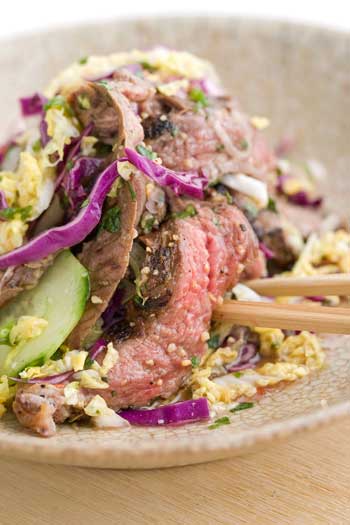
Emeril Lagasse’s Thai-Style Beef Salad
This dish is inspired by the Thai classic but has been adapted for the grill and the American home cook. My friend Angela, whose heritage is part Thai, turned us onto this in the test kitchen. Talk about good and simple!
Thai-Style Beef Salad
(Makes 4 servings)
Ingredients
- One 1 ¾-pound flank steak
- Emeril’s Original Essence or Creole Seasoning, to taste
- ¼ cup olive oil
- 1 tablespoon Worcestershire sauce
- 2 tablespoons jasmine rice
- ¼ cup Vietnamese fish sauce (nuoc nam), or to taste
- ¼ cup plus 2 tablespoons freshly squeezed lime juice, or to taste
- ¼ cup thinly sliced green onion tops
- ¼ cup thinly sliced shallots
- ¼ cup chopped fresh cilantro
- ¼ cup chopped fresh mint
- 2 teaspoons sugar
- 1 teaspoon crushed red pepper
- 4 cups thinly sliced napa cabbage
- 2 cups thinly sliced red cabbage
- 1 cucumber, halved lengthwise and thinly sliced on the diagonal, for garnish
Directions
- Season flank steak with Original Essence on both sides.
- Place steak in gallon-size resealable plastic bag, add olive oil and Worcestershire, seal bag.
- Marinate in refrigerator for at least 4 hours or up to overnight.
- Preheat grill or broiler to medium-high.
- Place jasmine rice in small skillet and heat over medium-high heat, stirring constantly, until toasted, golden brown, and fragrant, 6 to 7 minutes.
- Transfer rice to plate and let cool.
- When rice has cooled, place in clean coffee grinder or spice mill, process to fine powder.
- Set rice powder aside.
- Remove steak from marinade (discard marinade).
- Grill steak for 3 to 4 minutes on each side for medium-rare.
- Remove it from grill and let rest for 10 minutes.
- Thinly slice steak against grain, reserving any accumulated juices.
- Place fish sauce, lime juice, reserved steak juices, green onions, shallots, cilantro, mint, ground jasmine rice, sugar, and crushed red pepper in bowl; whisk to combine.
- In another mixing bowl, combine cabbages with 3 tablespoons of dressing.
- Toss well, and arrange on platter.
- Toss steak with remaining dressing, arrange steak slices and dressing over top of cabbage.
- Serve immediately, garnished with cucumber slices
Recipe by Emeril Lagasse, from Emeril at the Grill
Barton Seaver’s Grilled Asparagus with Spicy Parmesan Sauce
I rarely dress up asparagus; it has such a wonderful flavor that it feels silly to complicate it in any way. But as the first warm months carry on, cooks and farmers eagerly anticipating the next wave of crops begin to grow a little weary of asparagus. For this dish, I drizzle the grilled spears with a sauce that I made up one day when my wife was desperately hungry and the pickins were slim in the kitchen. We had olive oil, hot sauce, and a little grated Parmesan. I mixed them all together to make a dipping sauce for bread, and she loved it! It is now a staple in our house and plays equally well with just about anything.
Grilled Asparagus with Spicy Parmesan Sauce
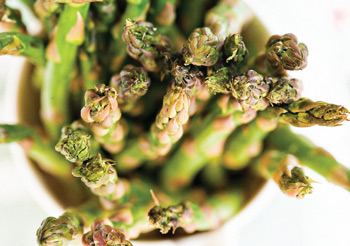
(Makes 4 servings)
Ingredients
- Kosher salt
- 1 pound asparagus, tough stalks snapped off at base
- 2 ½ tablespoons extra-virgin olive oil
- 1 tablespoon milder hot sauce, such as Tapatío or Frank’s Red Hot
- 1 tablespoon grated Parmesan cheese
Directions
- Bring pot of water to boil and season it generously with salt.
- Add asparagus and cook for 1 minute, then drain.
- Coat asparagus with ½ tablespoon olive oil, cook spears on grill directly over coals of medium fire until they begin to char, about 4 minutes.
- Remove asparagus to platter.
- Mix remaining 2 tablespoons olive oil, hot sauce, and Parmesan and stir to combine.
- Pour sauce over asparagus and serve immediately.
Reprinted with permission from Where There’s Smoke: Simple, Sustainable, Delicious Grilling
© 2013 by Barton Seaver, Sterling Epicure, an imprint of Sterling Publishing Co. Inc. Photography by Katie Stoops

Bobby Flay’s Cuban Skirt Steak with Tomato Escabeche and Mango Steak Sauce
This is so aromatic; you can smell the garlic in the marinade the instant the steak hits the grill. I think of Cuban food as reinforcement cooking because you see many of the same ingredients (think garlic, oregano, cumin) played out in a multitude of dishes. It’s definitely positive reinforcement—it’s all delicious. Tomato escabeche is a fresh salsa or relish served with all sorts of traditional Cuban dishes. A puree of ripe mangoes thickens and flavors the savory steak sauce.
Cuban Skirt Steak with Tomato Escabeche and Mango Steak Sauce
(Makes 4 servings)
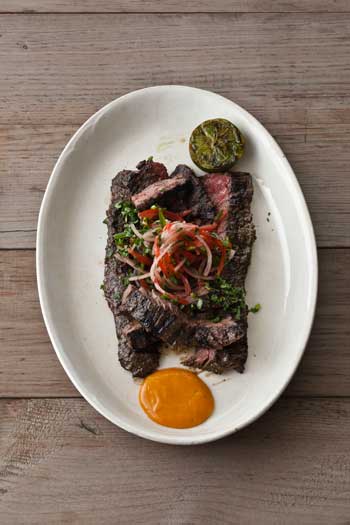
Skirt Steak Ingredients
- 8 garlic cloves, chopped
- ¼ cup chopped fresh oregano
- 2 fresh bay leaves (not dried)
- 1 teaspoon cumin seeds, toasted
- Grated zest of 2 limes
- Juice of 2 limes
- ¼ cup canola oil
- 1 ½ pounds skirt steak, cut into 2 or 3 pieces crosswise
- Kosher salt and freshly ground black pepper
Tomato Escabeche Ingredients
- 3 ripe beefsteak tomatoes, halved, pulp and seeds removed, flesh cut into thin strips
- 1 small red onion, halved and thinly sliced
- 1 jalapeño, julienned
- 3 tablespoons red wine vinegar
- 2 tablespoons fresh lime juice
- 1 teaspoon sugar
- ¼ cup chopped fresh cilantro leaves
- Kosher salt and freshly ground black pepper
- Mango Steak Sauce (recipe follows)
- Chopped fresh cilantro leaves, for garnish
Directions
Marinate the Steak:
- Combine garlic, oregano, bay leaves, cumin seeds, lime zest, lime juice, and oil in blender. Blend until smooth.
- Put steak in large baking dish, add marinade, cover, refrigerate at least 4 hours and up to 24 hours.
- Heat grill to high for direct grilling.
- Thirty minutes before cooking, remove steak from refrigerator and from marinade and transfer to plate.
Make the tomato escabeche:
- Combine tomatoes, red onion, jalapeño, vinegar, lime juice, sugar, and cilantro in bowl.
- Season with salt and pepper.
- Cover and let sit at room temperature for at least 30 minutes.
- Season steaks with salt and pepper on both sides.
- Grill on both sides until golden brown, slightly charred, cooked to medium-rare, about 5 minutes per side.
- Remove steaks to cutting board, tent loosely with foil, and let rest for 10 minutes.
- Cut steak against grain and serve topped with tomato escabeche.
- Garnish with chopped cilantro. Serve mango steak sauce on side.
Mango Steak Sauce
Ingredients
- 2 tablespoons canola oil
- 1 small red onion, chopped
- 2 garlic cloves, chopped
- 2 very ripe mangoes, peeled, pitted, and chopped
- ½ cup mango nectar
- 2 tablespoons ancho chile powder
- ¼ cup prepared horseradish
- 2 tablespoons clover honey
- 2 tablespoons Dijon mustard
- 2 tablespoons pure grade B maple syrup
- 2 teaspoons Worcestershire sauce
- Kosher salt and freshly ground black pepper
Directions
- Heat oil in medium high-sided skillet over medium-high heat.
- Add onion and cook until soft, about 5 minutes.
- Add garlic and cook for 30 seconds.
- Add mangoes, mango nectar, ancho powder and cook, stirring occasionally, until mangoes are very soft and mixture has thickened, about 15 minutes.
- Transfer mixture to food processor or blender.
- Add horseradish, honey, mustard, maple syrup, and Worcestershire; season with salt and pepper, blend until smooth.
- Scrape sauce into bowl and let cool to room temperature.
Reprinted from the book Bobby Flay’s Barbecue Addiction
Curtis Stone’s Grilled Shrimp and Asparagus with Lemon-Shallot Vinaigrette
My young son, Hudson, knows a good thing when he tastes it, and grilled asparagus is his favorite finger food. This recipe is not only made with just five ingredients, it also cooks from start to finish in just 15 minutes. It can be served, if you like, with your favorite rice—long-grain or basmati.
Grilled Shrimp and Asparagus with Lemon-Shallot Vinaigrette
(Makes 4 servings)
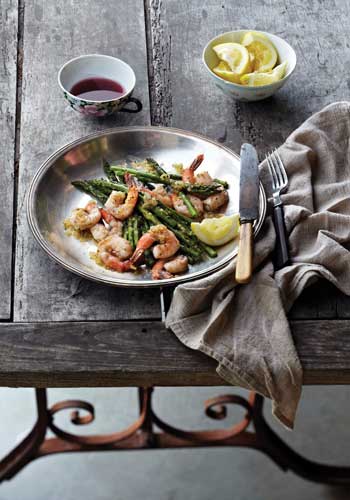
Ingredients
- 1 lemon
- 2 tablespoons finely chopped shallots
- ¼ cup extra-virgin olive oil
- Kosher salt and freshly ground black pepper
- 1 pound medium-thin asparagus, woody ends trimmed
- 1 pound large (21 to 30 count) shrimp, peeled, tails left on, and deveined
- ⅓ cup shaved Pecorino Romano cheese, optional
Directions
- Prepare an outdoor grill for medium-high cooking over direct heat.
- Grate zest from lemon into small bowl.
- Squeeze 2 tablespoons of juice from lemon and add to bowl.
- Add shallots and whisk together.
- Gradually whisk in 2 tablespoons of olive oil and season to taste with salt and pepper.
- Spread asparagus and shrimp on large rimmed baking sheet.
- Coat with remaining 2 tablespoons olive oil and season with salt and pepper.
- Transfer shrimp and asparagus to grill and cook, turning asparagus and shrimp occasionally, for about 4 minutes, or until shrimp are almost opaque throughout when pierced with tip of sharp knife and asparagus are crisp-tender.
- Remove from grill.
- In large bowl, toss asparagus with enough vinaigrette to coat.
- Season to taste with salt and pepper.
- Divide asparagus among four dinner plates and top with shrimp.
- Drizzle more vinaigrette over shrimp.
- Sprinkle Pecorino Romano cheese over shrimp, if desired, and serve hot.
Recipe reprinted from Curtis Stone’s What’s for Dinner? Delicious Recipes for a Busy Life
© 2013 Random House. Photo © Quentin Bacon

Tackling Crohn’s Disease

Inflammatory bowel disease, or IBD, refers to two conditions that can occur when the body’s immune system goes awry and attacks healthy organs: Crohn’s disease damages patches of the intestine along the entire digestive tract, and ulcerative colitis typically strikes only the large intestine. According to CDC estimates, 1.4 million Americans experience IBD symptoms such as abdominal pain, diarrhea, fatigue, and weight loss.
Matt Light, a record-setting tackle with the New England Patriots, was diagnosed with Crohn’s disease early in his NFL career. Now, he’s playing for a new team—the Crohn’s & Colitis Foundation of America—to raise awareness about IBD.
He credits a good mental attitude, and the prescription drug Remicade that slows inflammation, for keeping potentially life-limiting symptoms in check. “I’m proof that people can live with this really difficult condition,” he says.
Tackle Crohn’s with the ex-lineman’s game plan:
- Get educated. “Everything about testing and treatment was a surprise to me. CCFA.org is a great place to learn about living day in and day out with the disease,” says Light.
- Find the right doctor. “Having a good relationship with your doctor makes a huge difference. Look local, search out specialists, and turn to CCFA for help,” says Light.
- Connect with other patients in person or online. “It’s a tremendous help to hear the ways other people manage their symptoms and to find out what and how they eat,” he says.
Recently, the FDA approved Simponi (a drug from Janssen Biotech that’s injected just under the skin) to treat adults with moderate to severe ulcerative colitis. While the exact cause—and cure—of IBD remains unclear, researchers are testing the role of enzymes, stem cells, and bacteria in the development of these diseases. Here are some headlines worth keeping an eye on:
- Canadian Arch Biopartners Inc. say IBD is linked to a specific inflammatory enzyme called caspase 1. Hope: New tests to diagnose IBD, monitor disease activity, and gauge treatment response.
- Researchers at Wake Forest Baptist Medical Center and colleagues say a special population of adult stem cells in bone marrow can migrate to the intestine and produce intestinal cells. Hope: An injectable cell therapy to restore healthy tissue in IBD patients.
- University of California-Davis scientists say test-tube and animal studies show byproducts of IBD inflammation can fuel potentially harmful bacteria in the gut, edge out beneficial ones, and worsen the disease. Hope: Novel therapies to prevent or improve IBD symptoms.
Redheads Rule!
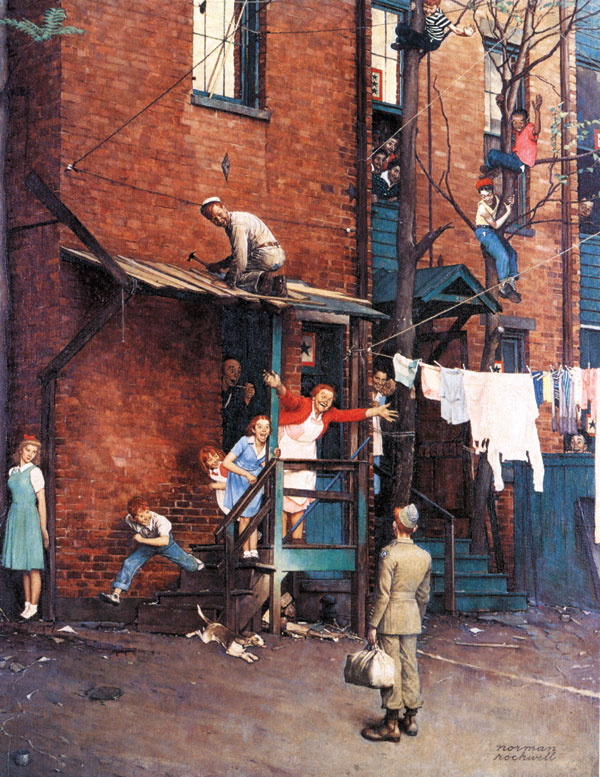
Homecoming G.I. appeared on the May 26, 1945 cover of the Post.
Norman Rockwell © 1945 SEPS/Curtis licensing.
Ardis Edgerton was the typical tomboy; she climbed trees, had skinned knees and torn dresses, and had a huge mass of red hair that was the exasperation of her mother and herself. It was that hair that Norman Rockwell appreciated; especially the bright red color. When Rockwell painted this May 26, 1945, cover, Homecoming G.I., Ardis was at its center, but the painter didn’t stop there. He also turned every one of the central characters into redheads.
Ardis is the girl leaning on the rail (next to the mom with outstretched arms). The little girl behind her, Yvonne Cross, was a blonde in real life, just like her brother John who plays the returning soldier, and her father who is repairing the roof overhead. Even Ardis’ black and white dog Spot is chromatically transformed for the picture.
Rockwell’s inspiration for this scene came from a series of Post articles from 1944 by Sgt. Charles E. “Commando” Kelly in which he describes winning the Medal of Honor in Italy—with a special emphasis on how much he yearned for home.
Rockwell had used a homecoming theme for several covers, but this one was selected as the U.S. Treasury’s official poster for their eighth and final war bond drive. On January 3, 1946, at the end of the war bond campaign, $187.7 billion had been raised, and over half of America’s citizens, more than 85 million people, had bought bonds to support the war. Rockwell and the Post were proud to have been a part of that.
This illustration, one of Rockwell’s better-known covers, can’t fail to evoke a sense memory common to all of us. Who can fail to be moved by a soldier’s homecoming to family, to friends, and possibly to a red-headed girl quietly standing to the side?