This series by American studies professor Ben Railton explores the connections between America’s past and present.
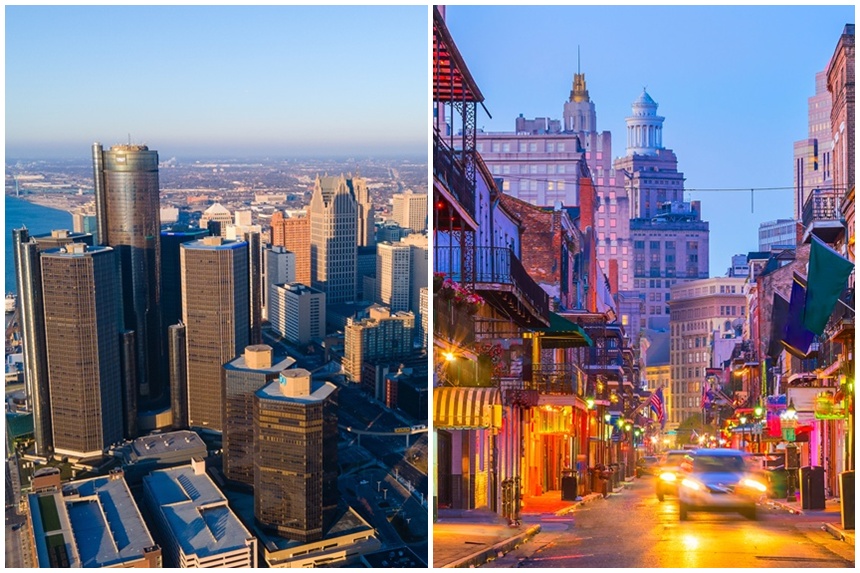
This past week, we dropped off our younger son Kyle to start his first year at the University of Michigan. Before heading home, and through the proud but bittersweet Dad Tears, I had the chance to explore the neighboring city of Detroit for the first time. I was particularly struck by three essential elements: how much its cultural landscape captures mid-20th century Black music’s evolution and vital role in America; how fully its architecture and neighborhoods reflect the goals and challenges of historic preservation and urban communities; and how strikingly it embodies the crises of 21st century American cities, and the need to resist abandonment and instead to fight for all those cultural, historic, and civic layers.
What stood out to me most about all those essential elements is how much Detroit echoes my favorite American city, New Orleans. This interconnection between two of our great but endangered historic cities also exemplifies a multilayered American story, one with a lot to tell us in 2025.
In the first few decades of the 20th century, Detroit grew from a relatively small community into the nation’s fourth-largest city, and it was the influx of African Americans from Southern communities like New Orleans that really drove that growth. Between 1910 and 1930, at the height of the mass movement known as the Great Migration, Detroit’s Black population grew from around 5,000 to over 120,000. By 1920, more than 85 percent of the city’s Black residents had been born outside of the state, reflecting this explosion of new arrivals. In 1912, the NAACP founded a Detroit chapter, while the rival civil rights organization the Urban League did so in 1916.
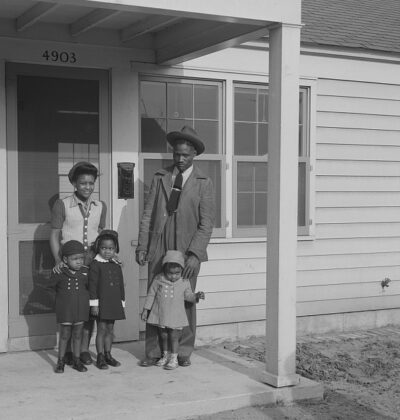
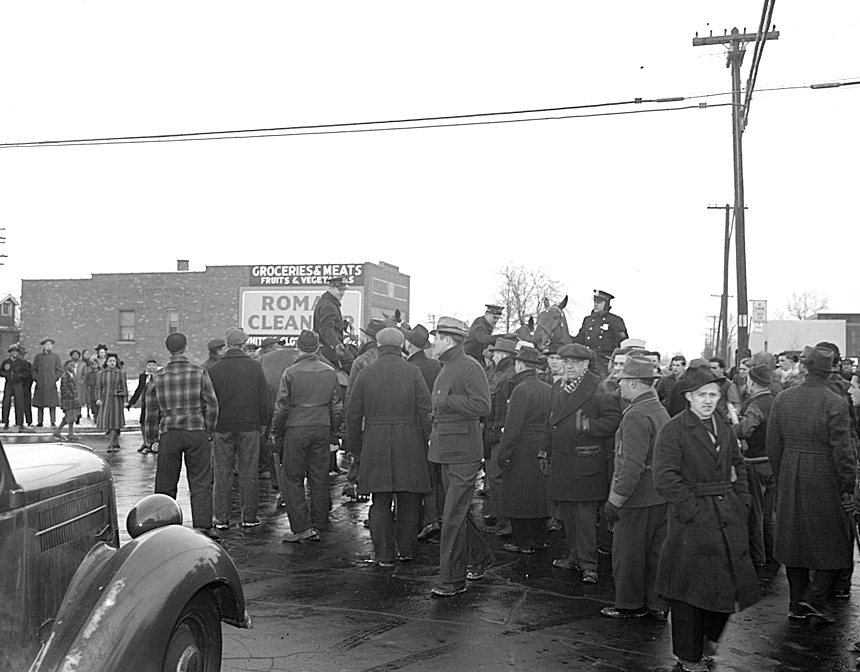
Unfortunately, the racial prejudice and violence that African Americans had faced in Southern communities like New Orleans followed them to these new urban spaces. Domestic terrorist groups like the KKK and the Black Legion became dominant forces in Detroit in the 1920s and ’30s. Racial massacres like those New Orleans had experienced since the 1860s became a recurring part of Detroit’s story, as exemplified by the city’s 1943 and 1967 white supremacist riots. And as historian T.J. Sugrue traces in his important book The Origins of the Urban Crisis: Race and Inequality in Postwar Detroit (1996), the racial segregation that came to define the city’s and nation’s urban spaces in the 20th century was developed during the Great Migration.
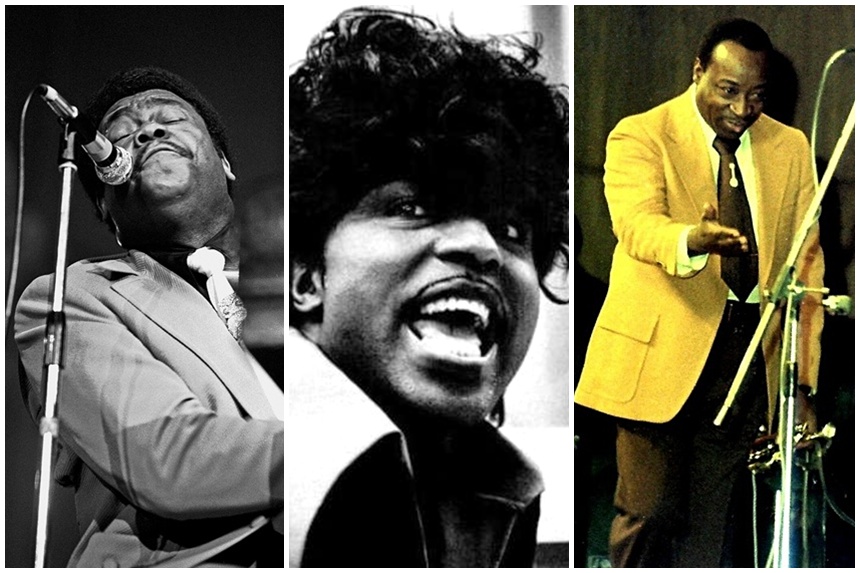
Despite these ongoing attacks — and indeed in response to them — Detroit’s expanding African American community quickly became a fixture on the nation’s cultural landscape. It did so first through the Great Migration journey of the Delta Blues from its Mississippi origins to its evolution in Detroit, as embodied by the paths of pioneering musical giants John Lee Hooker and Big Joe Williams. But it was with the 1959 founding of Tamla Records by Detroit’s own Berry Gordy Jr. that the city’s cultural influence truly exploded. Incorporated a year later as the Motown Record Corporation, this record label built on the foundational stories of New Orleans Black rock and rollers like Dave Bartholemew, Fats Domino, and Little Richard, and quickly made Detroit the home for the nation’s evolving and hugely influential pop music scene throughout the 1960s and beyond. Between 1960 and 1969, Motown had 79 songs reach Billboard’s Top 10.
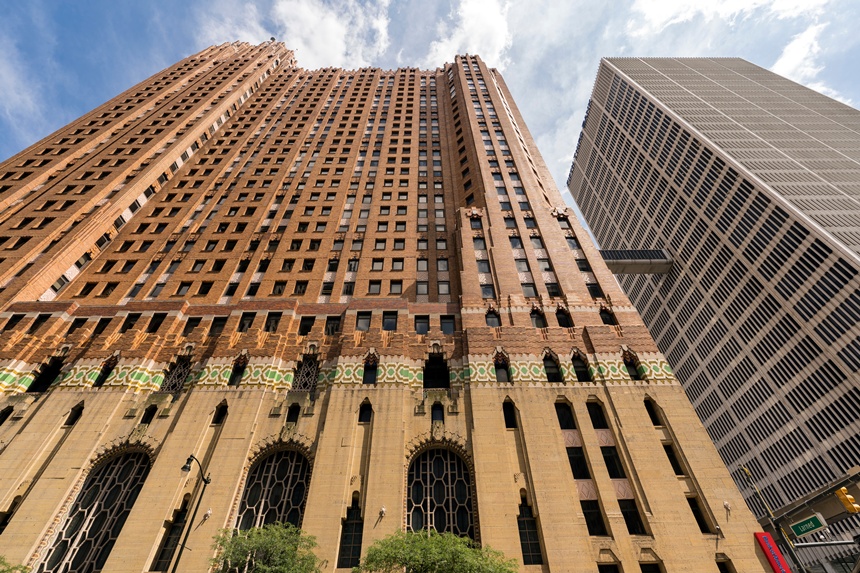
Gordy moved Motown to Los Angeles in 1972, however, and over the final decades of the 20th century, Detroit’s cultural influence diminished alongside its population and its economy (particularly with the auto industry’s shifts toward foreign manufacturing). Efforts to preserve the city’s history and identity began in earnest in that same period, as illustrated by the 1975 founding of Preservation Detroit, the city’s oldest and largest historic preservation organization. Those efforts have yielded visible results, with iconic architectural landmarks like the famous Guardian Building still occupying a prominent place in the city’s skyline. But as has been the case in New Orleans, this emphasis on historic preservation has at times conflicted directly with support for the city’s longstanding communities and has only deepened issues like housing segregation and discrimination, challenges that none other than Rosa Parks took on directly during the more than four decades she spent in Detroit (where she passed away in 2005).
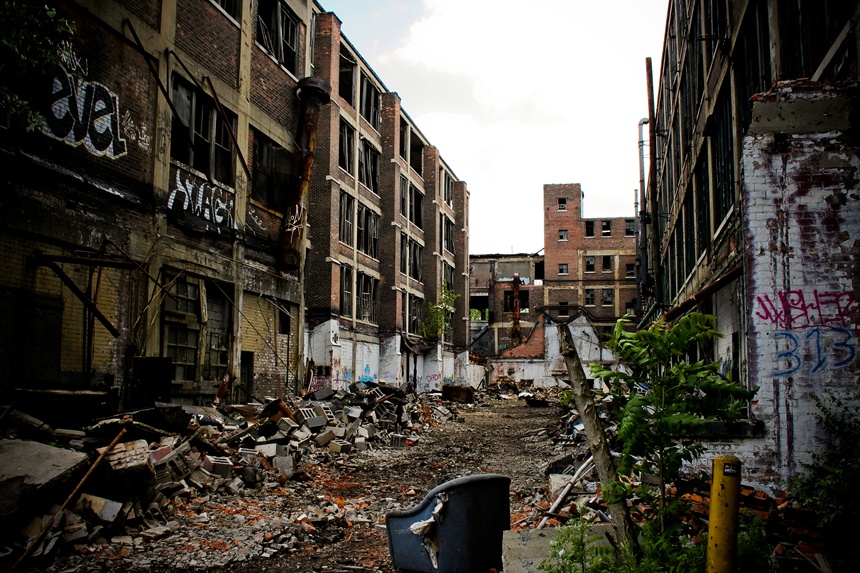
Those issues have only been amplified in the first decades of the 21st century, as Detroit has faced crises that rival those of New Orleans. Detroit’s struggles have not been as singular as Hurricane Katrina and its aftermath, which unfolded twenty years ago this week, but long-term trends like white flight and urban blight have affected the city just as potently and destructively. Just as some voices made the case for not rebuilding New Orleans after Katrina, so too there remains a very real possibility that Detroit will be abandoned to these forces, elided from our collective consciousness.
Yet despite such threats and naysayers, both New Orleans and Detroit are underdoing comebacks that are as historic as their storied legacies. The challenges remain, but these cities are embracing their identities and seeing the returns of both tourism and industry as a result. We must help build on those trends and continue to make the case for these historic cities, for what they embody of the American story at its worst and best, and for all that they feature in every inch of their landscapes in 2025.
Become a Saturday Evening Post member and enjoy unlimited access. Subscribe now



Comments
Absolutely wonderful feature from beginning to end on these 2 very different and important American cities and how they’re connected; geography not withstanding. Both are too important NOT to be rebuilt and given the chance to live up to their full potential. I appreciate the links you included here throughout this special report.