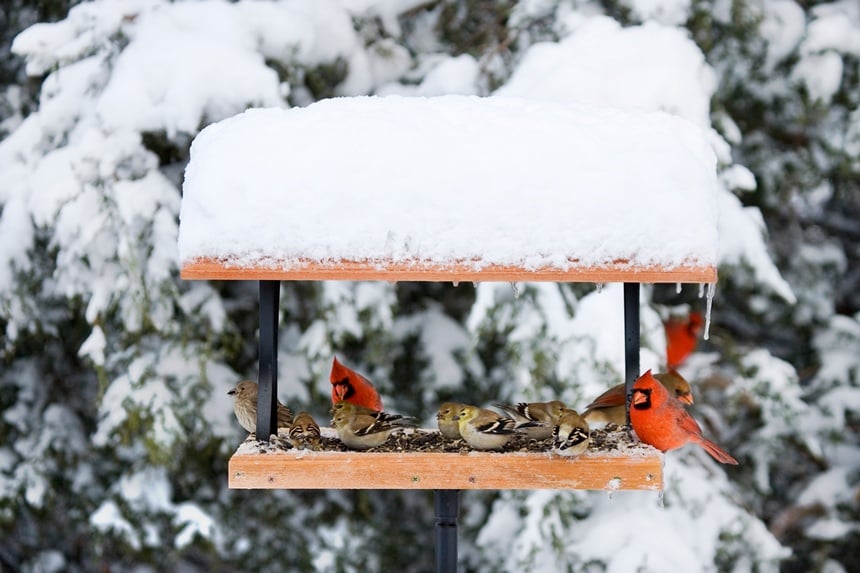
In seedy neighborhoods across the U.S., folks are shelling out hard-earned money to feed a habit of near-epidemic proportions: At least 40 percent of American households are addicted to feeding birds. Things are even worse in the UK, where close to 60 percent of all Brits are beset with this malady. I hear it’s a tough habit to crack. While some people in the throes the bird-feeding habit even buy dried fruit, suet, mealworms, and other fancy bird-fare, but most stick with a commercial birdseed mix or plain sunflower seeds.
Watching native songbirds at a backyard feeder is a soothing pastime, especially during winter, and provides “cheep” entertainment. It turns out that when people are able to see feathered friends on a daily basis, or just listen to their songs, they report feeling happier. The greater the diversity of bird species, the more profound this effect seems to be. For children, feeding the birds can help them connect with nature. We now know that being connected with nature has intellectual, physical, and emotional benefits for kids.
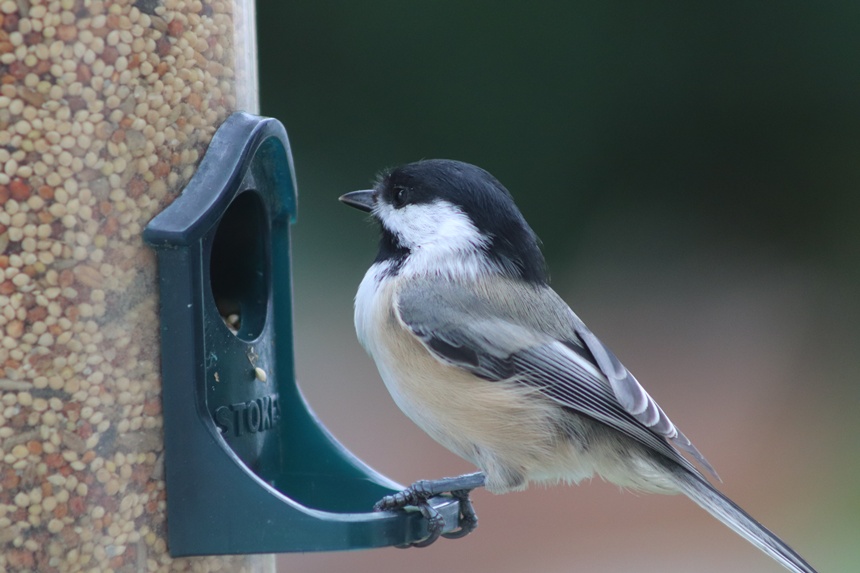
During harsh weather like polar vortexes or ice storms, bird feeders can make a real difference in terms of birds’ survival. A Wisconsin study found that even in an average winter, the survival rate of black-capped chickadees increased from 37 percent to 69 percent when they had access to feeders.
While feeding birds is on the whole beneficial, it can pose hidden risks. Feeders bring together various bird species that would not normally have contact with one another, and may also attract them in high numbers. Under such conditions, pathogens can be readily passed around. Outbreaks of mycoplasmal conjunctivitis, a contagious eye disease, as well as a deadly respiratory illness called trichomoniasis, have killed thousands of songbirds. Aspergillosis and avian flu are other potential dangers.
Fortunately, these risks can be minimized, beginning with basic food-safety standards. I like a free all-you-can-eat buffet as much as the next person, but if no one ever cleaned the salad bar or washed the steam trays for months on end, my enthusiasm would start to wane. The Cornell Laboratory of Ornithology recommends scrubbing bird feeders every two weeks, followed by a 10 percent bleach solution rinse.
A virtue in other contexts, inclusiveness can be a problem in bird feeding. The Audubon Society points out that birdseed mixes often lead to excessive waste and spoilage, a source of contamination. Apparently, it’s best to maintain a separate feeder for each type of seed. Not only does this cut down on waste, it also reduces the number of species at each unit, helping to curb disease transmission.
Black oil sunflower seed is like watermelon at a picnic: universally relished. If you have just one feeder, black oil seed will attract the widest variety of birds. Its popularity can occasionally lead to problems if bullies like blue jays, as well as a number of blackbird species, hog the feeder and kick out other birds. If that’s the case, try switching to striped sunflower seed, which is not as attractive to grackles, starlings ,and cowbirds. The only drawback to the striped seed is that it can be harder for small birds like chickadees and nuthatches to open.
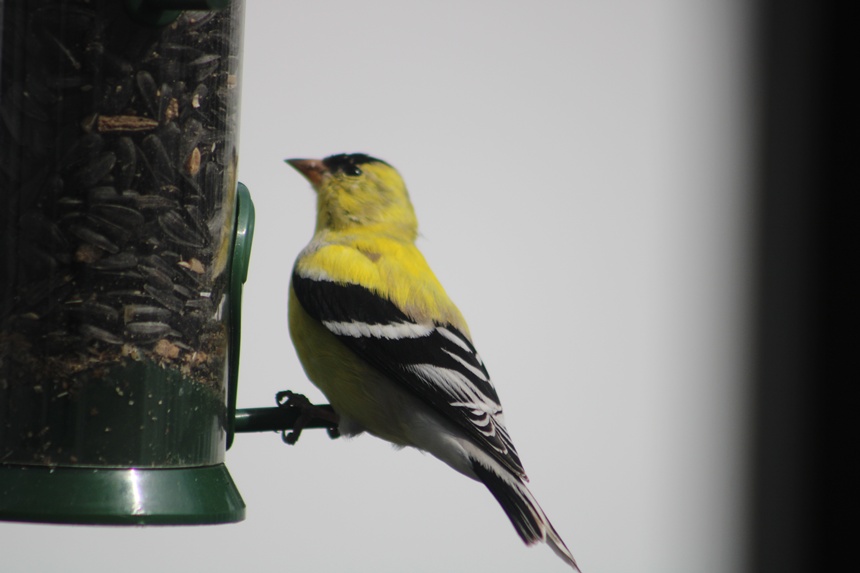
Thistle seed, also called Niger seed, is a tiny oil-rich seed favored by goldfinches, purple finches, redpolls, and pine siskins. Because thistle requires a special feeder that has narrow openings, jays and blackbirds can’t get at it. Don’t worry about having a yard full of thistles, though, as the seeds are heat-treated and can’t sprout.
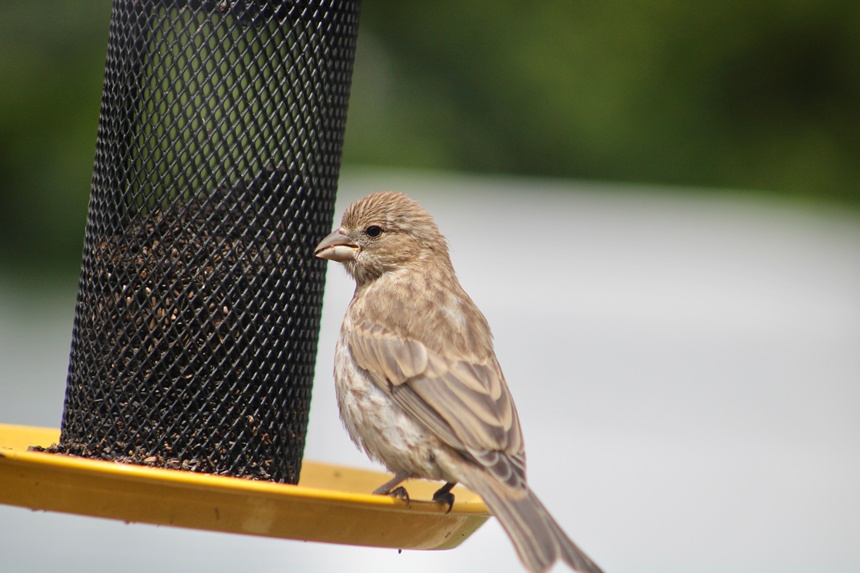
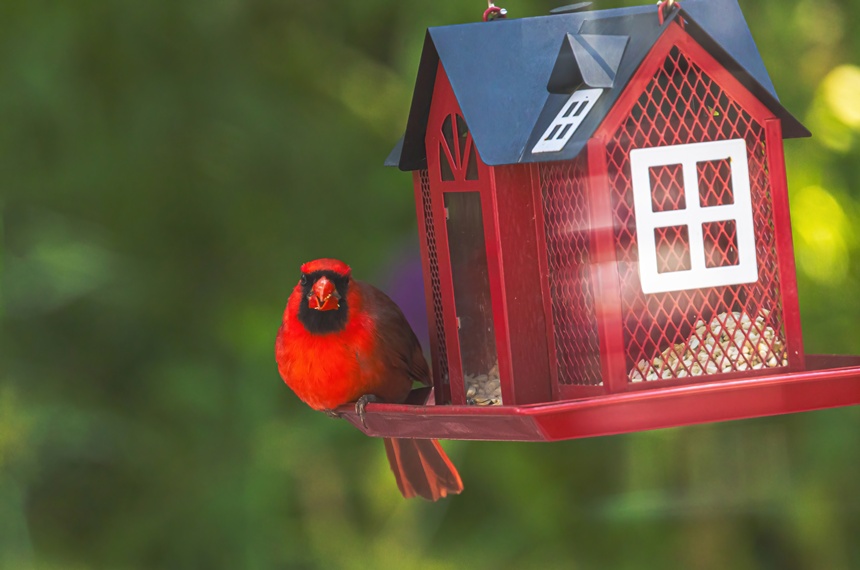
Cardinals and grosbeaks are fans of safflower seed, which has a hard shell and is a bit less attractive to squirrels. Safflower is typically presented in tray-type feeders. White millet is eaten by juncos, cardinals, mourning doves and other ground-feeding birds.
Cracked or whole corn will bring in larger species like grosbeaks, crows, ruffed grouse, and turkeys. Unfortunately, corn is very attractive to deer, raccoons, and bears. The big problem with corn is that it’s the one bird food most likely to be contaminated with aflatoxins, which are fatal to birds even at low levels. To minimize the risk to birds, avoid buying corn sold in plastic bags, and never allow it to get wet. Only offer it in amounts that can be consumed in a day.
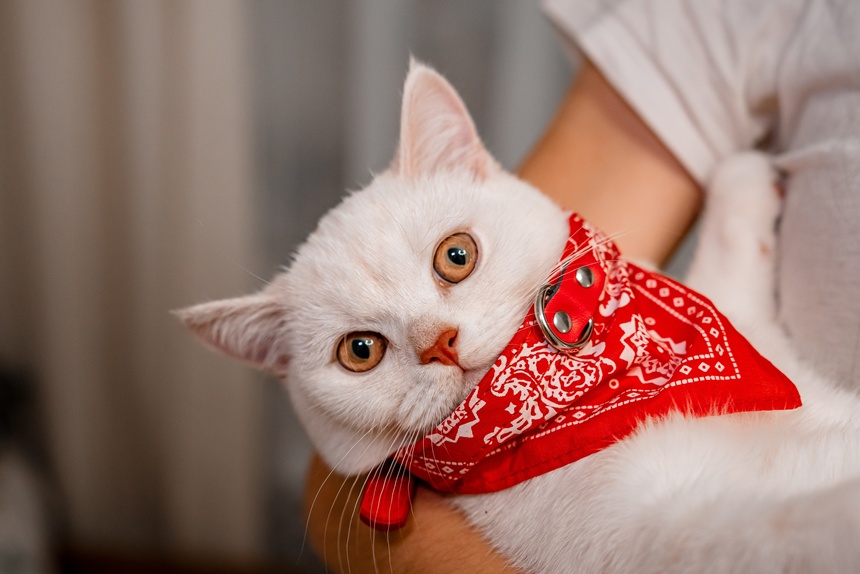
I’m all for efficiency, but no one wants to run a combination bird-cat-squirrel feeding station. A recent innovation has made it easy to reduce feline delinquency. Instead of belling the cat, you just give it an ugly collar, or “bib.” Birds are apparently fashion-conscious, and flee from garish colors and clashing patterns. Studies show that colorful cat bibs reduce predation better than collar bells.
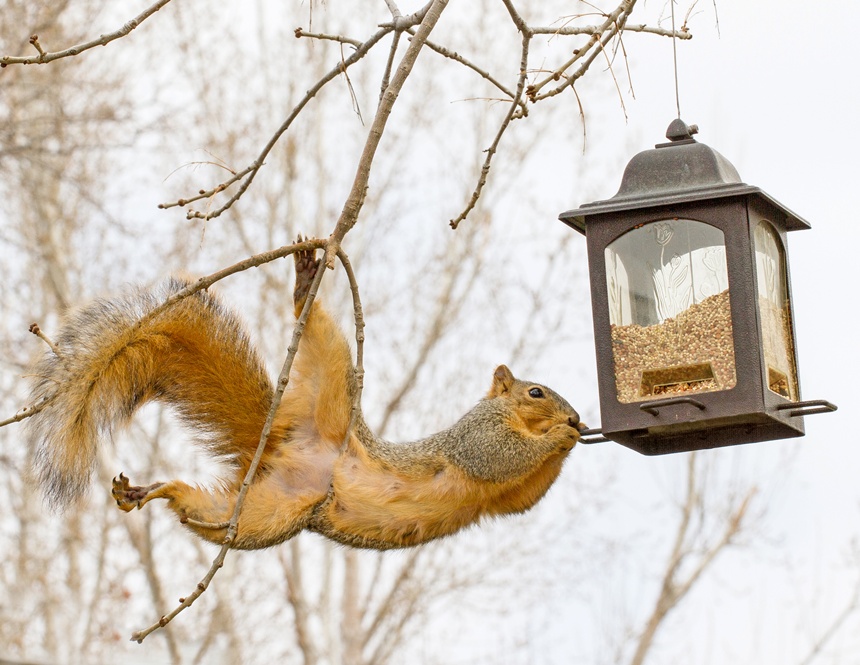
As for squirrels, which, by the way, will eat birds if they get a chance, it’s not as simple. There are many styles of squirrel-resistant feeders, but the ones that have worked best for me have a plastic feeder housed inside a metal-mesh cage. I’ve seen a clever squirrel chew through the line holding one of these feeders and then go after the seed that spilled when it hit the ground. That kind of thing is hard to deter, except maybe with a cat. Just make sure it’s wearing an ugly bib.
If you’d like to get involved with birding, you can find the nearest Audubon chapter here.
Become a Saturday Evening Post member and enjoy unlimited access. Subscribe now

Comments
You are most welcome, Bob- I’m glad you enjoyed the piece!
With all your great links accompanying the article, it took me awhile to get through it, but definitely worth it. I’m sharing it with some friends that were considering getting a bird as a pet, and should be more inclined to after reading this, Paul. Thank you.