Every morning, millions of Americans reach for their smartphones before their feet hit the floor. These pocket-sized computers have transformed our lives and, like many advances, can be beneficial or harmful depending on how we use them.
The health benefits of smartphones are substantial. They enable users to track vital health metrics effortlessly and empower individuals to take charge of their health. People with diabetes can track glucose levels continuously and alter therapy in real time. Heart patients can monitor blood pressure, heart rhythms, and implanted devices like pacemakers and make appropriate adjustments. Apps can provide techniques to guide everything from exercise and behavioral therapy to wound care or how to perform CPR.
Fitness apps and wearable devices encourage physical activity. People who use step trackers walk an average of 2,000 steps more per day than non-trackers — an activity that can produce meaningful reductions in cardiovascular complications.
Emergency response capabilities save lives through faster 911 calls, GPS location of victims, and medical identification features that give paramedics crucial information when patients can’t communicate. Fall detection helps older adults living alone receive help more rapidly.
Telemedicine has expanded access to healthcare: Rural patients can consult specialists hours away. Working parents can have their child’s rash evaluated during a lunch break rather than missing work for an office visit. Psychologists can hold sessions remotely. During the COVID-19 pandemic, smartphones maintained healthcare access while minimizing virus transmission.
However, smartphones can also create new health problems. Sleep disruption tops the list. The blue light emitted by smartphone screens suppresses melatonin production — the hormone that regulates our sleep-wake cycle. When we scroll through social media texts before bed or check email in the middle of the night, we’re essentially telling our brains it’s daytime and to turn off melatonin. People who use smartphones in the hour before bed take longer to fall asleep, get less deep sleep, and feel groggier in the morning than those who don’t. Over time, chronic sleep deprivation contributes to obesity, heart disease, diabetes, and cognitive decline.
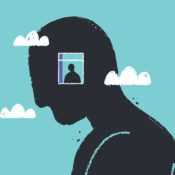
Decreased face-to-face interactions, particularly for young people, can weaken real-life social bonds and exacerbate loneliness. Rates of anxiety and depression among teenagers began rising sharply around 2012, just as smartphone ownership became widespread in this age group. Heavy social media use has been linked to increased feelings of loneliness, inadequacy, and fear of missing out. The constant comparison to others can erode self-esteem. Cyberbullying has created new avenues for harassment.
Prolonged smartphone use can lead to “computer vision syndrome,” characterized by symptoms like dry eyes, blurred vision, and headaches. We blink less when staring at screens, which dries out our eyes. “Text neck” — marked by chronic pain and structural changes in the cervical spine — can result from constantly looking down at the screen.
Smartphones interrupt us constantly with notifications, fragmenting our attention and reducing cognitive performance on tasks requiring focus. That constant stimulation can erode our capacity for sustained attention and deep thinking.
Smartphones are neither health heroes nor health villains. They’re powerful tools that can enhance our wellbeing or undermine it, depending on how we use them. The key is approaching them with clarity about their benefits and risks.
The most important thing to remember is that the user is in control. These devices are designed to be compelling, to grab and hold your attention, but you can set the terms of use. Pay attention to how smartphone practice makes you feel, physically and emotionally. If you notice negative effects such as poor sleep, neck pain, or increased anxiety, adjust use accordingly.
Technology will continue to evolve, and smartphones will become even more integrated into healthcare and daily life. But our basic human needs for sleep, movement, real-world connections, and sustained attention won’t change. The healthiest approach is to harness the genuine benefits of smartphones while protecting ourselves from their potential harms.
Your smartphone can be a valuable health tool. Don’t let it become a health hazard in the process.
Don’t miss “Your Health Checkup” by Dr. Douglas Zipes for updates on medical breakthroughs and advice on healthy living at saturdayeveningpost.com/checkup.
This article is featured in the July/August 2026 issue of The Saturday Evening Post.
Become a Saturday Evening Post member and enjoy unlimited access. Subscribe now