
Persistence of Vision
A young woman vows to reunite her family, but getting rid of her father’s mistress may not be enough to bring him home.
A young woman vows to reunite her family, but getting rid of her father’s mistress may not be enough to bring him home.

Trendy alternatives to this rite of passage are nice to think about, but they fail to satisfy our basic emotional needs.

A boy befriends the filly tethered in his backyard, both longing to break free from the silence around them.
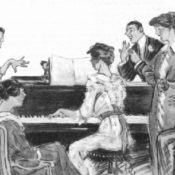
A young and ambitious New Yorker plays the gracious host of a party where chaos and teenage romance ensues.

Why do we say “hello” and not “ahoy” or “hail”? We explore the fascinating history of this relatively young word.
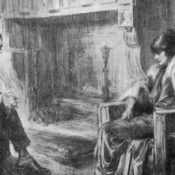
A foreign princess comes to America with one goal in mind: to get her son working in the States under the supervision of her friend’s infamous husband.
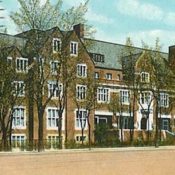
Gay Haubner recalls her fifth grade year in Duluth, including country clubs, enrichment classes, and her mother’s brush with Junior League.
 Gallery
From the lighthouses of Maine to the majestic Cascades of Oregon, the Saturday Evening Post has represented every state on its cover. Here are 50 of our favorites.

Post editorial director Steve Slon shares his stories of travel in Ireland, including visits to Cork, the Ring of Kerry, Valentia Island, and Dingle.
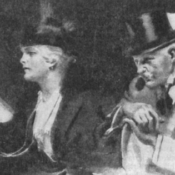
“This is the story of a spoiled girl who hadn’t the least idea that her parents had spoiled her.”
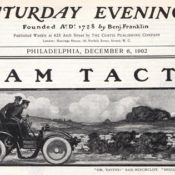
An autobiographical account of the early days of automobiles with madcap adventurers in the English countryside.
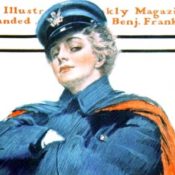 Gallery
These early Post covers – all published before women had the right to vote – show that they were making significant contributions to society despite their unequal treatment under the law.

Montana farmers saw henbane only as a nuisance weed that was poisoning their poultry, but one man discovered it was an opportunity for high profits.
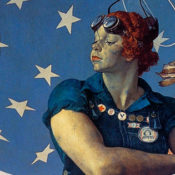
Americans tell their personal and family stories about how life changed after the attack on Pearl Harbor. Do you have a story to share?

Chocolate puddings, strawberry moons, and ancient Twinkies are all on the smorgasbord of Bob Sassone’s column this week, plus some late-show antics and Broadway board games — in case you’ve already eaten.
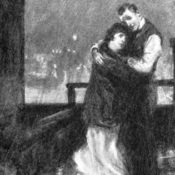
Sinclair Lewis was known for his cynicism, but he also had a romantic streak. Both are on display in “Honestly If Possible,” a short story published in the Post in 1916.