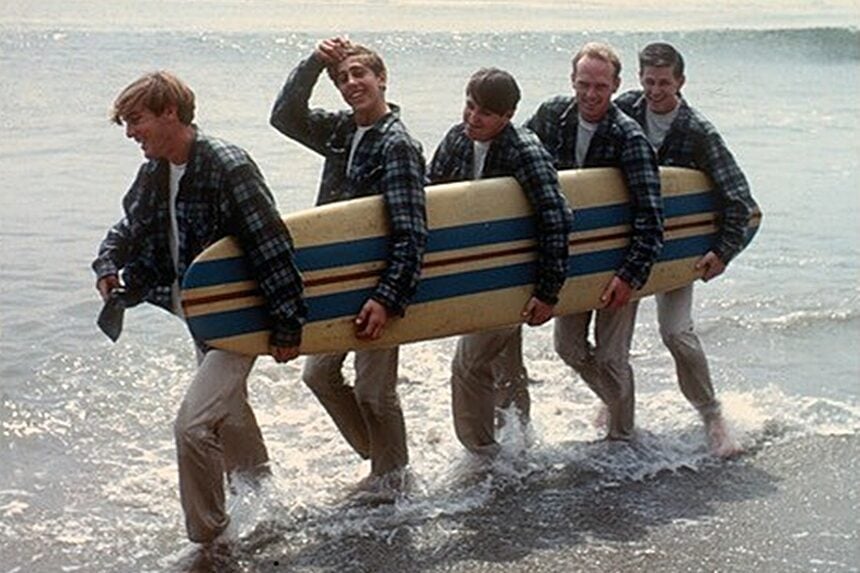
Beach Boys fans who want to have fun, fun, fun in these waning days of summer should be sure to read All Summer Long: Conversations with the Beach Boys from Surfin’ to SMiLE.
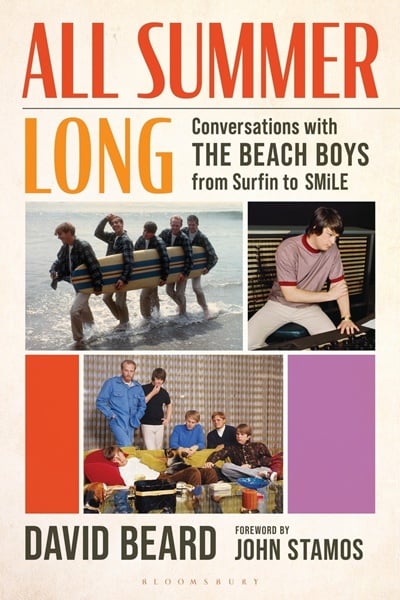
Compiled from interviews conducted over more than three decades by David Beard, editor-in-chief of Endless Summer Quarterly (the official magazine for The Beach Boys and Brian Wilson), this fan-essential anthology offers an oral history of America’s Band for all seasons.
Beard, a child of the ’80s, did not grow up a Beach Boys fan. He and his buddies in Endicott, New York, were primarily into KISS and got their music from records rather than Top 40 radio. From KISS, of all bands, he developed his interest in so-called oldies. As far as he knew after first hearing it on Kiss Alive 2, “Any Way You Want It” was not a Dave Clark Five song, but a KISS classic. Likewise Van Halen’s cover of “Pretty Woman.” Beard was later surprised to discover it was a Roy Orbison original. “Those old songs really drew me in,” he says.
And so he was primed to discover the Beach Boys when he saw the made-for-TV movie Deadman’s Curve about Jan & Dean, for whom Brian Wilson co-wrote the hit songs, “Dead Man’s Curve” and “Surf City.”
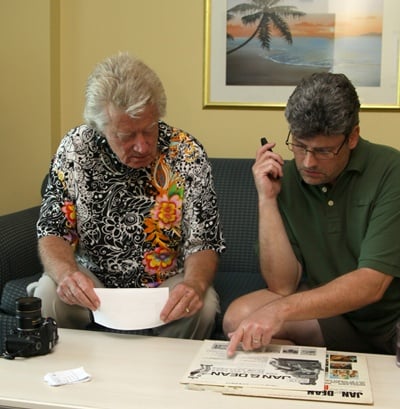
Wilson’s contributions were highlighted in a booklet that was included in Jan and Dean’s Anthology Album of greatest hits. Beard’s budding interest in Wilson and the Beach Boys was further piqued by the 1985 documentary, The Beach Boys: American Band, particularly the fraught history of Smile, the legendary unfinished Beach Boys concept album conceived to follow what is now considered to be the group’s masterpiece, Pet Sounds.
To pursue his budding passion for the Beach Boys and anything Smile-related, Beard frequented used record stores and record conventions.
At one such convention, he met Lee Dempsey, a writer for the Endless Summer Quarterly. “He told me about the publication and I took out a one-year subscription,” he says. “It did nothing for me because there was nothing about Smile.”
But he did find a couple of books that deepened his interest in the ill-fated project. “That this record was not released fascinated me” he says. “I wanted to find out why. Before Internet streaming and downloads, if you wanted to find anything out, you had to really do your research. That was the rabbit hole I went down.”
At another convention, he ran into Dempsey again, who invited him out to his car to hear a bootleg cassette of material from the Smile sessions. “I had bootlegs of Smile material, but I had never heard this before. He handed me the cassette and said, ‘That’s for you.’ That’s how our friendship began.”
In the summer of 1993, Dempsey recruited Beard to join him in taking over stewardship of Endless Summer Quarterly from the departing founders. “All I thought was, ‘This is my opportunity to write about Smile,” Beard says with a laugh.
Prior to Beard’s involvement, Endless Summer Quarterly had served primarily as a promotional organ. Beard set out to cover the band’s rich history, artistry, and cultural legacy.
All Summer Long spans the 1950s through 1967, from the group’s origins to the Smile sessions. Beard interviewed the Beach Boys, as well as integral figures in the band’s lives and music, including peers, collaborators, and creative artists such as Steve Binder, director of T.A.M.I. Show, arguably the best rock concert movie ever made.
But these are not vacuous fanboy interviews. They are candid conversations that delve into the creative peaks, personal setbacks, and inter-band clashes.
Considering Beard had never conducted an interview before, it was a challenge to get the individual Beach Boys to trust him and open up. “Gradually, they know I didn’t have a hidden agenda,” he says. “They knew I was coming from a place of genuine interest. They could sense that I cared about and loved them all. They would talk to me when weren’t talking to each other.”
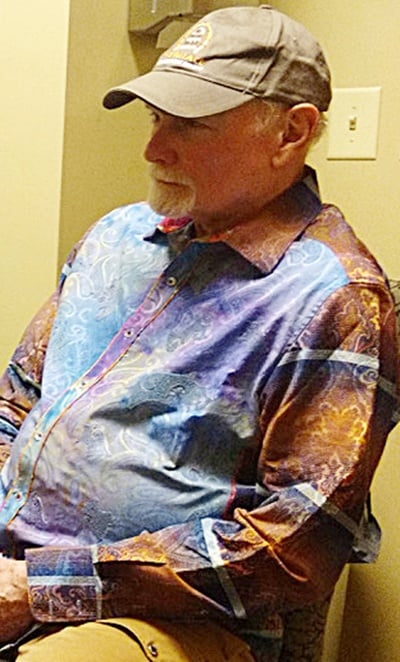
His first interview with a Beach Boy was in 1995 with Bruce Johnston. The band was performing at a local ballpark. “It was off the cuff,” Beard says. “I had my tape recorder with me. I met Bruce backstage and wanted to ask about [the album] Sunflower. We did it right then and there.”
Of the others in the band, Beard says that Mike Love was, initially, the hardest to get to know, but they eventually bonded over meditation. Al Jardine, he says, is “all about family, rooted and grounded. He’s an open book. When he shares a memory, it’s from the heart.”
Beard’s wide-ranging conversations with Brian Wilson reflect on family memories (singing “When You Wish Upon a Star” with his mother), musical influences (his brother Carl introduced him to rhythm and blues), the origins of the group, and collaborating on some of the Beach Boys’ most beloved songs. “’When I wrote ‘God Only Knows [with Tony Asher],’” he says, “’I knew immediately that it was meant for Carl’s voice, and it was. And it was spectacular.’”
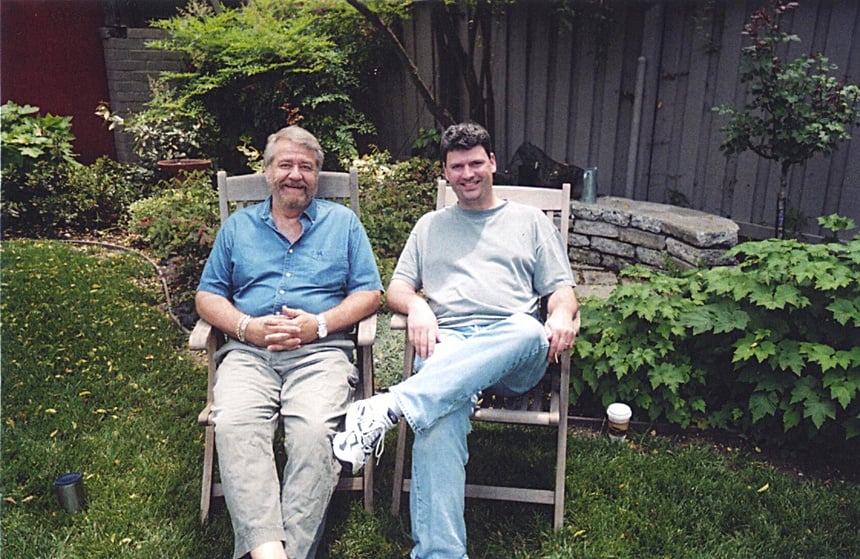
Fulfilling his quest, Beard takes Wilson track-by-track through SMiLE and asks for Wilson’s comments on each song. Of “Surf’s Up,” Wilson shares, “That’s my favorite poetic song. When it goes, ‘I heard the word, Wonderful thing, A children’s song,’ that’s my favorite part.”
Beard remembers one memorable conversation with Wilson in which he regaled the legendary singer-songwriter-composer with his impression of Paul McCartney.
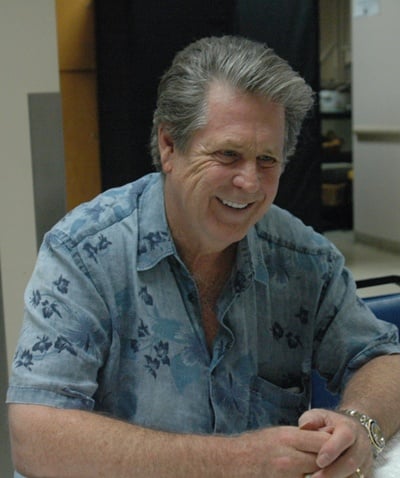
For Beard, those encounters were never simply about access. The kid who had once gone down a rabbit hole trying to understand why Smile had never been released had gradually become a trusted chronicler of the people who made it.
“When I agreed to do the quarterly,” he says, “I was truly excited at the opportunity of meeting them—and those are memorable moments for me—but I never had a hidden agenda to become their friend. What I did in separate conversations was remind them how they benefited from one another’s company. Mankind needs more of that. That’s what I’ve been doing for more than 30 years.”
All Summer Long is the culmination of that improbable journey: a collection of conversations that began with one fan’s obsession with a lost album and evolved into a three-decade record of one of the most important and complicated stories in popular music.
Become a Saturday Evening Post member and enjoy unlimited access. Subscribe now



Comments
Thanks Don, for your in-depth article on these conversations with the Beach Boys in this new book, and how they came about. It should be an interesting read for sure, and a good companion to go with the LIFE softcover book I bought last year.
I’m looking forward to see both
Mike Love
and
Al Jardine
on tour with there bands!
Mike W.
Rhode Island