People have been telling stories, with and without words, for thousands of years. It is a fundamental part of being human. Stories help us make sense of the world around us and connect with others. Throughout time, people have shared and preserved their culture, values, and beliefs through storytelling.
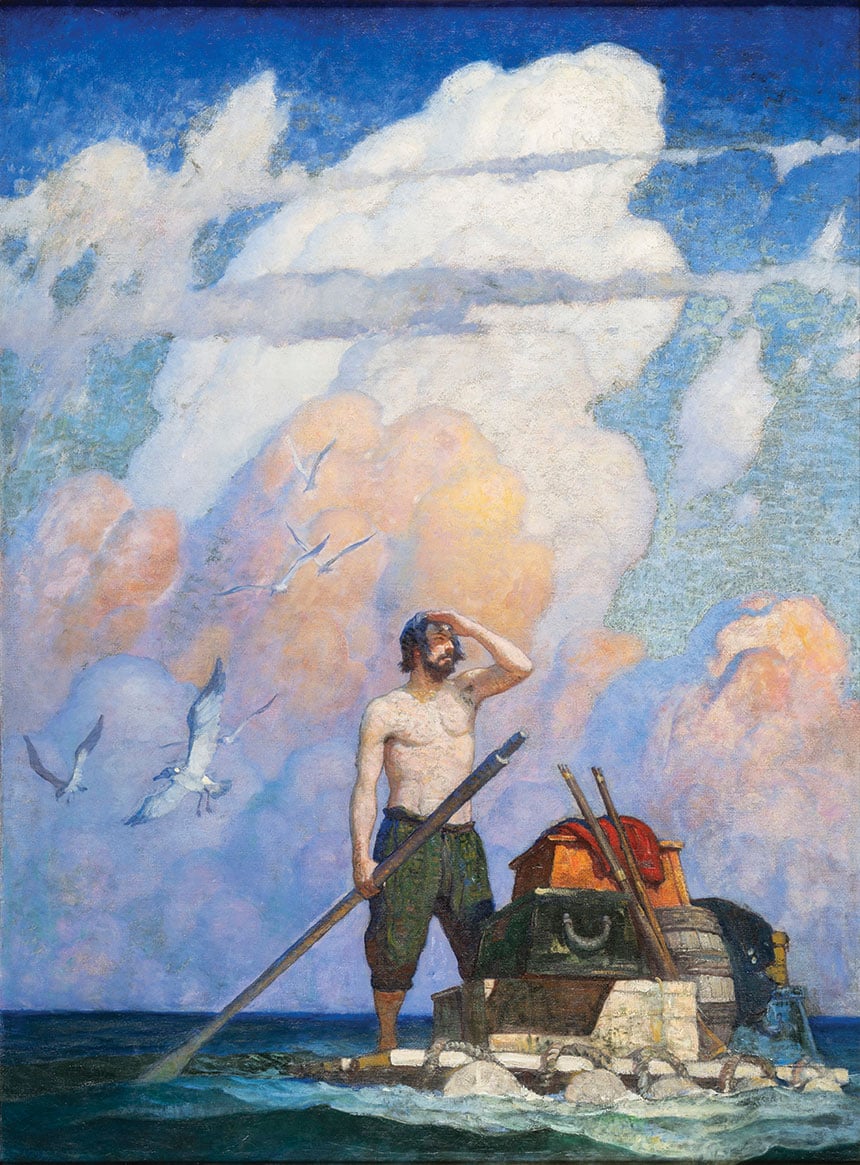
Before the written word, our prehistoric ancestors scratched and painted wildlife they were hunting onto rocks and cave walls. The tradition of pictorial storytelling continued through Egyptian hieroglyphs, ancient Greek vases depicting epic battles and stories from Greek plays, and Renaissance masterpieces by masters like da Vinci and Michelangelo, extending all the way into the contemporary American scenes of Norman Rockwell.
While narrative art remains universal, its tools and techniques have evolved dramatically over the centuries as new generations have picked up the mantle. Today, visual storytelling flourishes across diverse media, including magazine illustrations, comics, graphic novels, public sculpture, video games, and movies.
However, the road to gaining institutional recognition for these popular art forms has been long.
Until the turn of the 20th century, realistic painting — depicting battles, religious scenes, and mythical narratives — was traditionally considered the highest and most noble form of expression. That status shifted with the rise of modern painting and abstraction. Photography could now capture realistic images much faster and less expensively than the most skilled painter. In addition, artists disenchanted with science and progress following World War I began abandoning recognizable narrative stories and turning to expressive abstractions. But narrative art remained the most popular art form with the public. Far more people read illustrated magazines and comic books than attended art museums, but for decades the fine art establishment dismissed narrative and figurative illustration as low kitsch.
Filmmaker George Lucas, however, rejects this arbitrary hierarchy, believing that art’s true value lies in its ability to tell stories and forge personal, emotional connections, regardless of the medium. “Art is more about an emotional connection with the work, not how much it cost or what celebrity did it,” Lucas has said. “If you have an emotional connection, then it’s art. If you don’t, just move on to the next painting.”
That philosophy is the core thread running throughout the Lucas Museum of Narrative Art, which explores how stories connect people and capture the human experience.
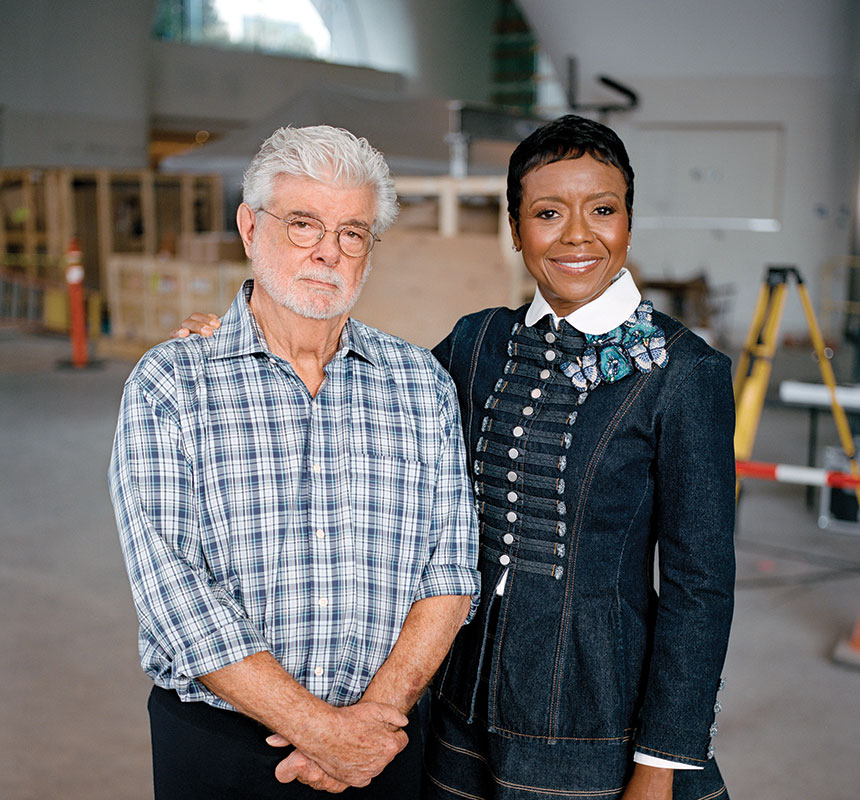
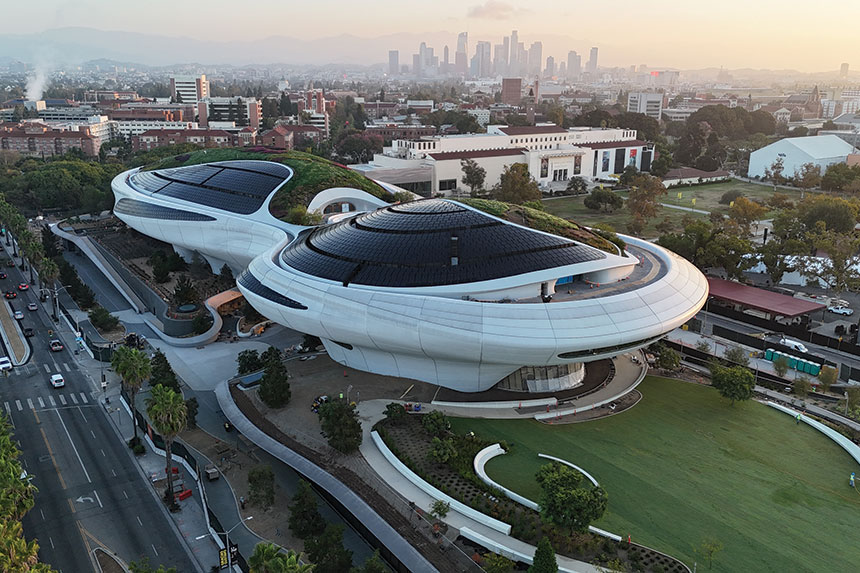
Co-founded by spouses George Lucas and Mellody Hobson, the cultural institution is situated on an 11-acre Los Angeles campus. Opening September 22, 2026, the futuristic, 300,000-square-foot venue will operate on the belief that visual storytelling is a universal language. It aims to elevate popular visual storytelling — like movies, illustrations, and comic books — to the same cultural status as traditional fine art.
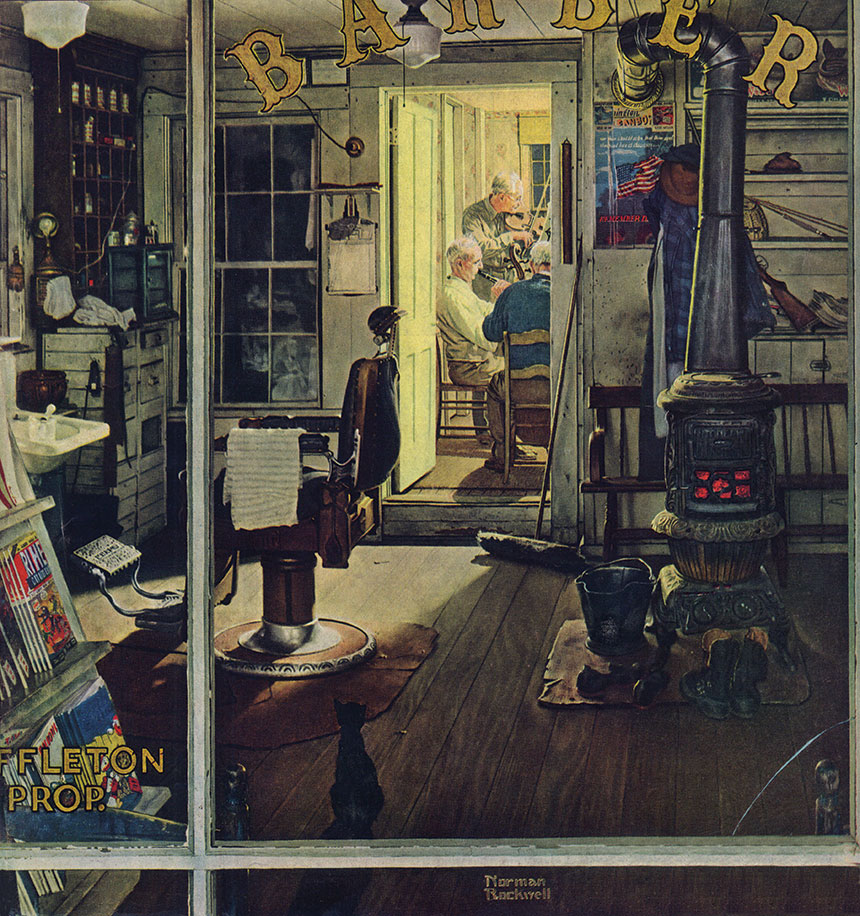
“I’ve worked with hundreds of illustrators in my life, and they’re all brilliant,” Lucas told an audience at Comic-Con last year while previewing the opening. “But they don’t get recognized for anything.” For example, Norman Rockwell, who painted 321 covers for The Saturday Evening Post, was dismissed as a “mere illustrator” by art critics who championed the abstract expressionism of Jackson Pollock and Mark Rothko, casting Rockwell’s hyper-realistic scenes aside as sentimental. In contrast, Lucas considers the artist a master storyteller.
“[Rockwell] captures the emotion and more importantly the fantasy, the ideal of that particular time in American history,” Lucas has said. “So you really get a sense of what America was thinking during those years and what their ideals were and what was in their hearts.”
At the groundbreaking ceremony for the billion-dollar campus in 2018, George Lucas described his vision for the project as centered on popular and commercial works that many fine art institutions often overlook.
“I believe in all kinds of art. And I believe all kinds of art have a right to exist. I think it’s important to have a museum that, as I was joking and saying, supports all the orphan arts that nobody else wants to see, but that everybody loves,” Lucas said of his vision for the project. “In my feeling, popular art is an insight into a society, what they aspire to, what they really want, and what they really are.”
Lucas’s passion for collecting began when he purchased his first piece of art in college for $30 — an illustration of Alley Oop, the time-traveling caveman. His collection has grown to 40,000 pieces, including illustrations, comic art, photography, murals, anime, manga, sculpture, and cinematic ephemera, such as concept designs, props, and costumes. The Lucas Museum of Narrative Art project began in part to provide a permanent home for his massive collection.
“I’ve been doing this for 50 years now. And then it occurred to me: ‘What am I going to do with it all? Because I refuse to sell it,’” Lucas said during a panel discussion at a Comic-Con panel last year. “This is sort of a temple to the people’s art,” he told the crowd.
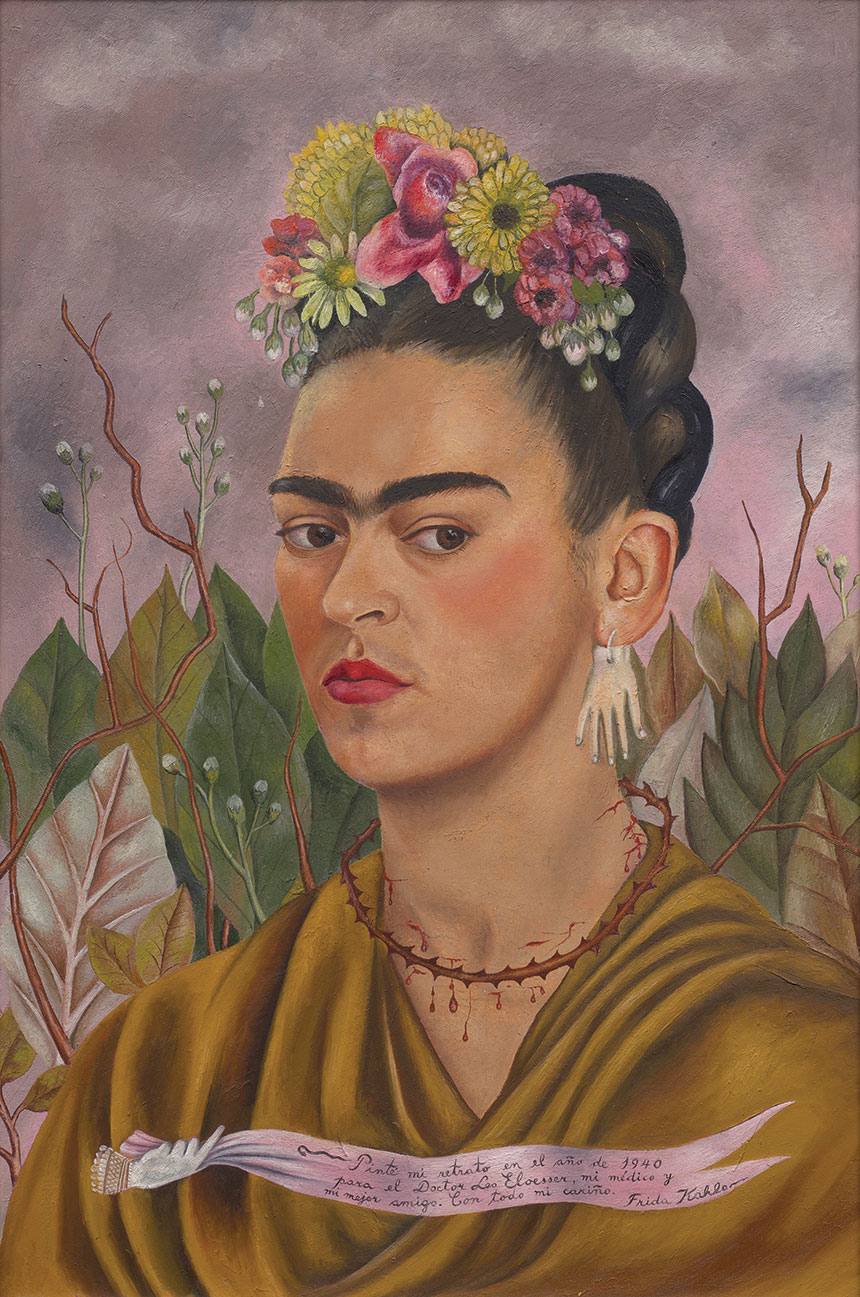
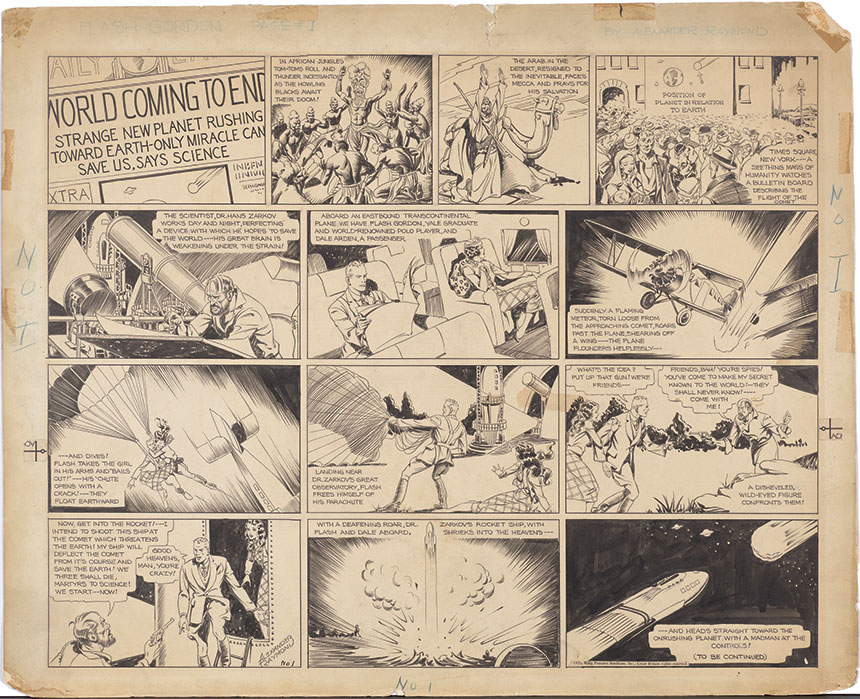
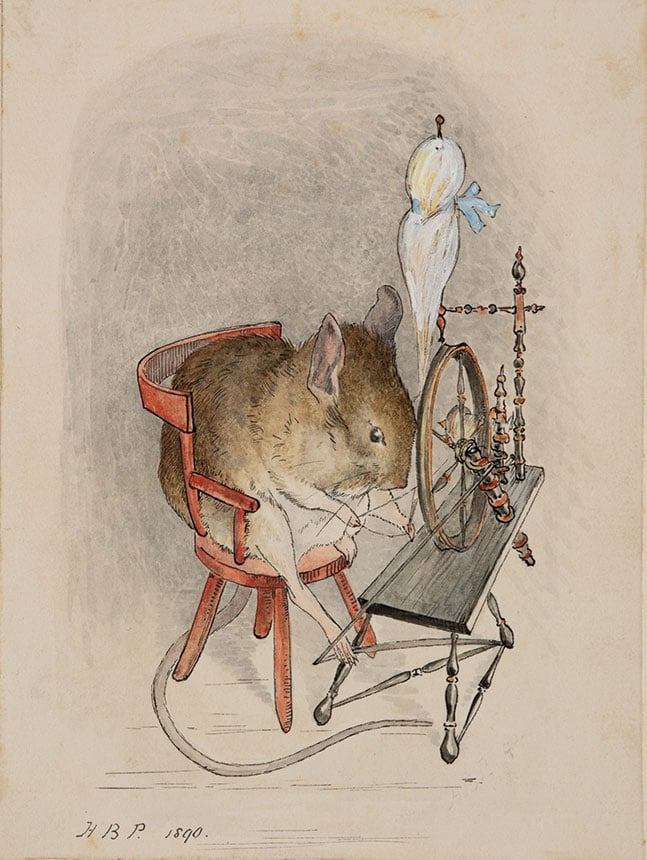
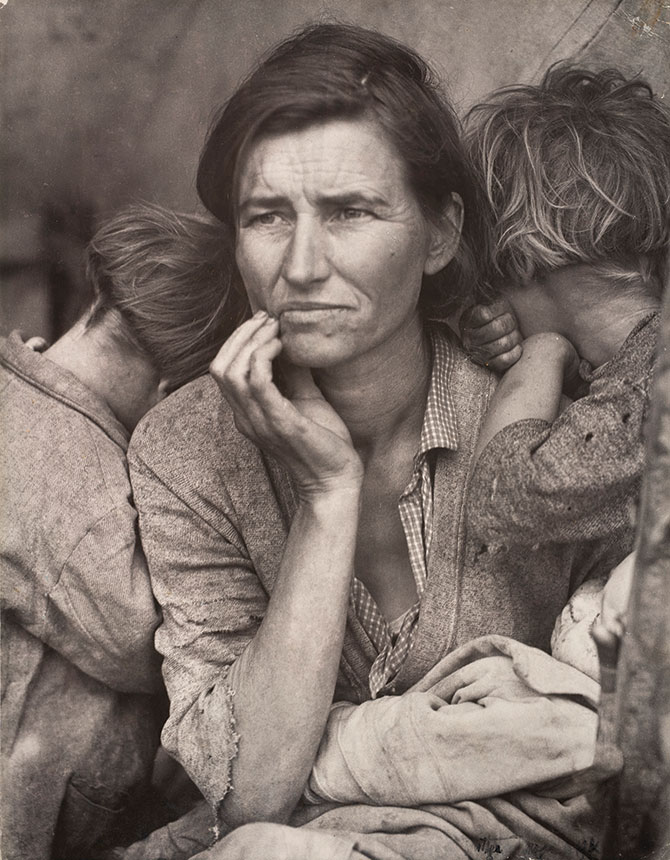
In addition to works by Rockwell, the couple’s multifaceted collection includes illustrations by Jessie Willcox Smith and N.C. Wyeth, among other legendary figures from the Golden Age of American Illustration; artworks by Frida Kahlo, Jacob Lawrence, Charles White, and Robert Colescott; photographs by Dorothea Lange; pieces by comic book artists Frank Frazetta and Jack Kirby; comic strips from Alex Raymond and Winsor McKay; children’s book illustrations; and cinematic artifacts from Star Wars and other films from Lucas’s career.
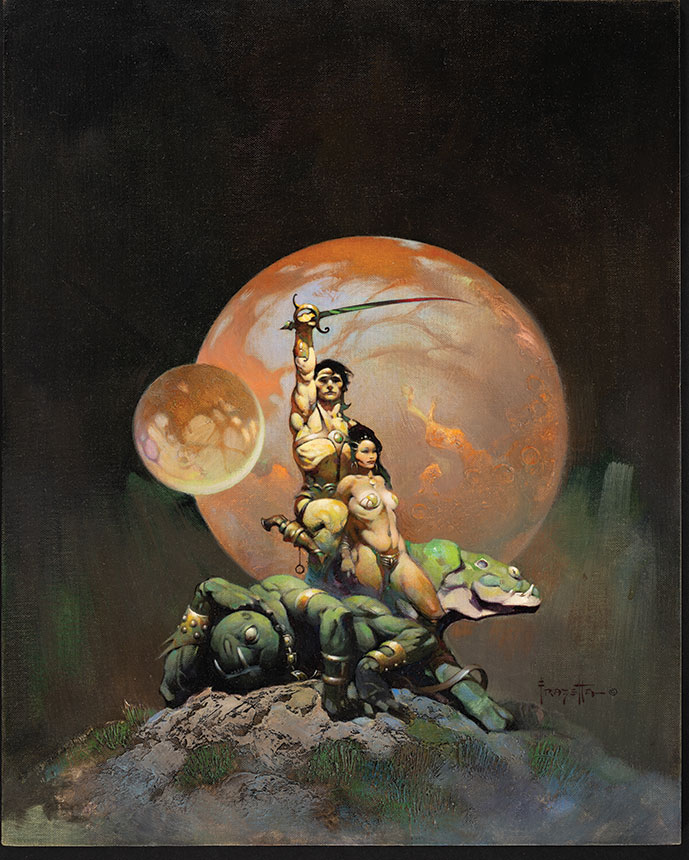
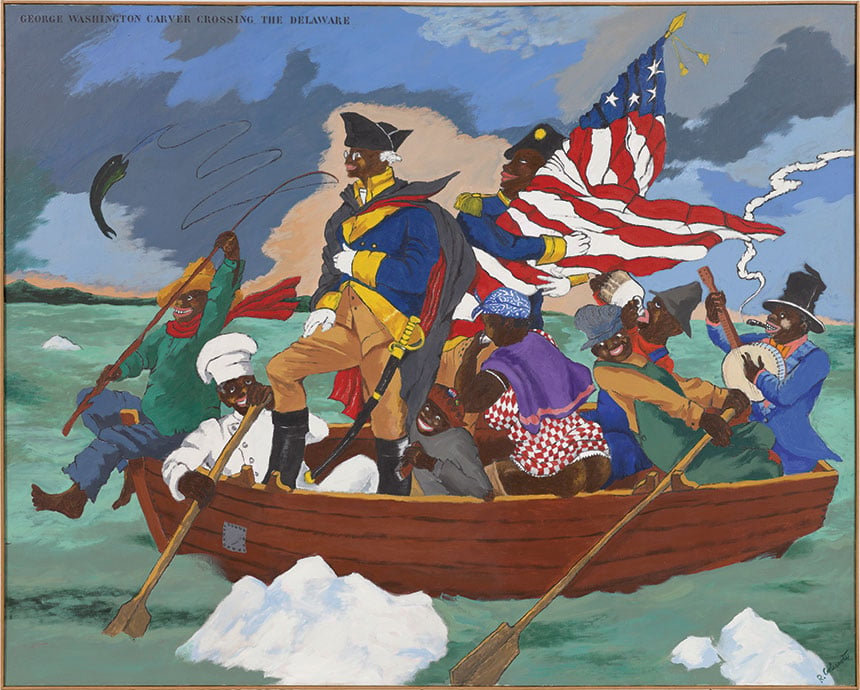
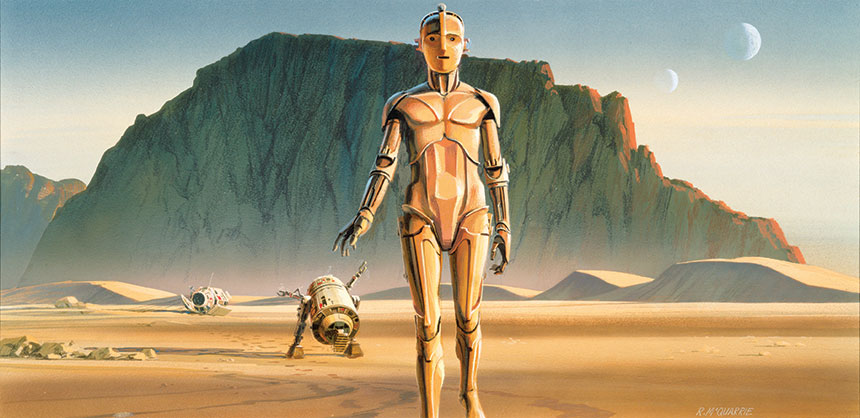
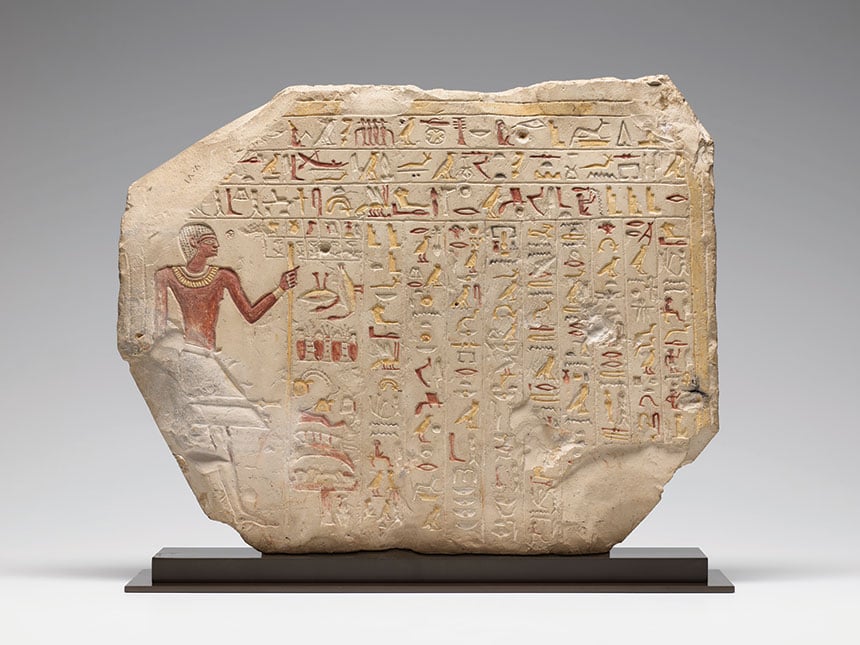
“The inaugural Cinema exhibition, Star Wars in Motion, will showcase the vehicles of the Star Wars universe, including the full-size, screen-used podracers, speeder bikes, and the iconic landspeeder from Star Wars: Episode IV — A New Hope,” in addition to “scale models of some of the most recognizable vehicles in the film franchise, including Han Solo’s famed Millennium Falcon,” Ryan Linkof, senior curator and head of film programs for the museum, told the Post.
Breaking away from rigid academic constraints, the building’s 35 galleries — spanning 100,000 square feet of exhibition space — are not categorized by artist, geography, or era. Instead, they are organized by universal themes that reflect the shared human experience: love, family, community, play, work, sports, childhood, and adventure.
The LMNA fills a unique niche.
“It is one of the only places on Earth where you can see original comic art, Star Wars production materials, a Frida Kahlo portrait, and an extensive collection of 20th-century art and illustration housed in one place,” says Linkof.
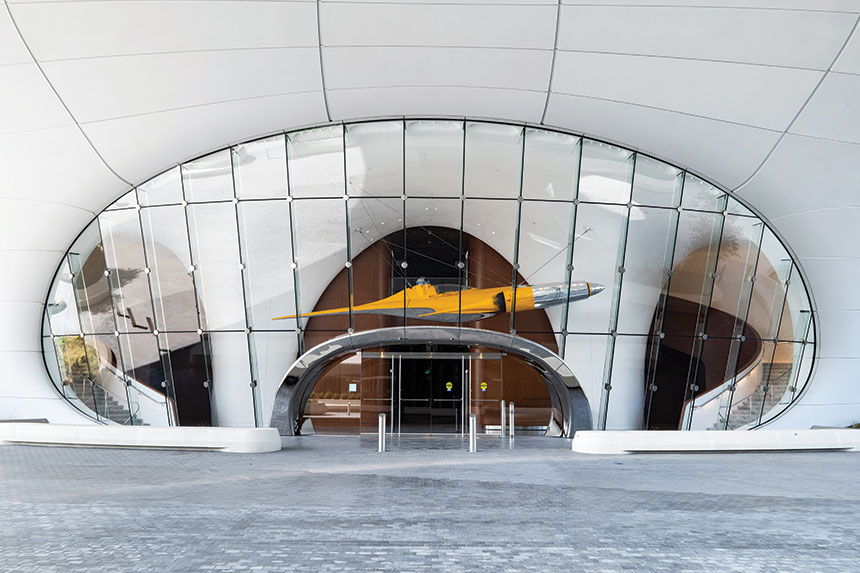
“This is a museum of the people’s art — the images are illustrations of beliefs we live with every day,” said Hobson in a statement. “For that reason, this art belongs to everyone. Our hope is that as people move through the galleries, they will see themselves, and their humanity, reflected back.”
Patrick Perry is editor-in-chief of The Saturday Evening Post.
This article is featured in the September/October 2026 issue of The Saturday Evening Post.
Become a Saturday Evening Post member and enjoy unlimited access. Subscribe now


Comments
As a kid in the 1950’s. memories of sleeping “outside ” on my paternal grandparents
screen porch in Wisconsin summer time was a real treat.
They always had the most recent copy of “The Post” and I looked foreword to reading the story after looking at all the pictures.
I don’t know why as a youngster, I was fascinated by grown up stories but after reading the most recent, I couldn’t wait for the next issue. I am certain it helped my reading and understanding abilities.
This beautiful, unique museum of narrative art is very definitely worth going to (I believe) several times, because there’s so much to see and take in for just a single visit. I hope it’s very successful. It’s on my list to see in the near future.