Touring a working mill is a surprisingly cool thing to do. Seeing the process of how something as ordinary as flour is made is a combination of machinery in motion, physical labor, and ingenuity, all working together with clockwork precision. There’s also something comforting about knowing that turning grain into flour connects the dots on centuries of history. Sure, modern mills look a little bit different than the ones earlier generations used, but the concept is the same and there’s an element of satisfaction in knowing some things don’t change all that much.
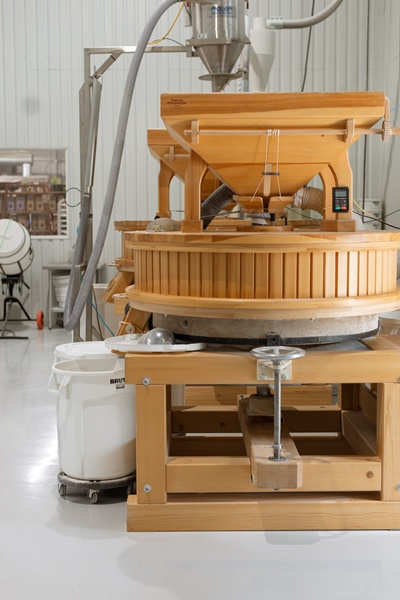
Barton Springs Mill is a working grain mill in Dripping Springs, Texas, that specializes in stone-milling heritage and heirloom grains, including wheat and corn varieties grown by Texas farmers. Barton Springs Mill sits next door to Abby Jane Bakeshop, where owner Abby Love uses only the mill’s flour in her baked goods. After supplying me with croissants and homemade oatmeal cream pies, Love walked me next door for a behind-the-scenes look at the milling process. It was the ultimate “see where your food comes from” experience. I can’t tell you how many bakery goods I’ve eaten over the years, but I can tell you that this was the first time I’d ever thought about how the ingredients started out.
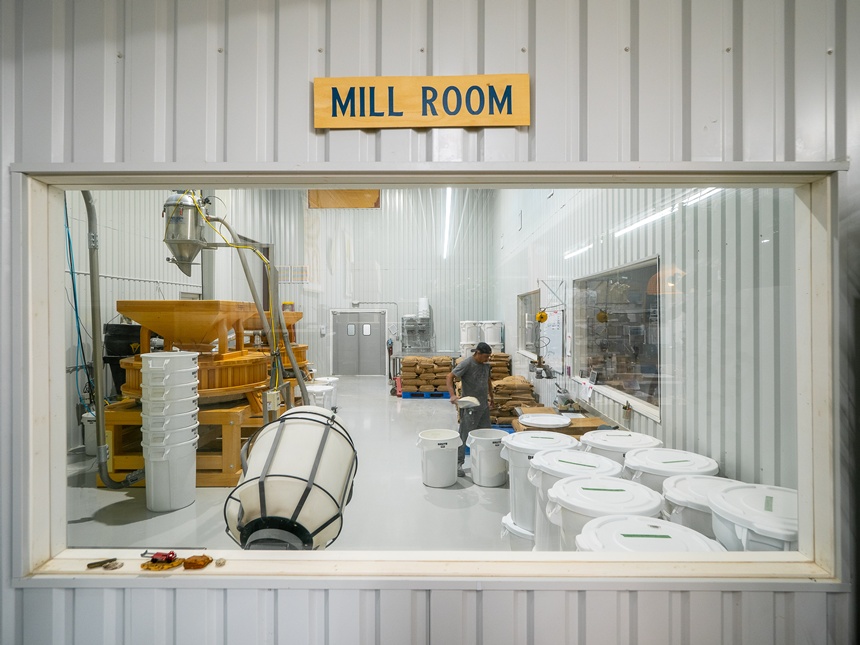
“And here is where we separate the wheat from the chaff.” Love waved her talented baker’s hands (those oatmeal cream pies were that good) at a large machine that filled one of the mill’s interior rooms.
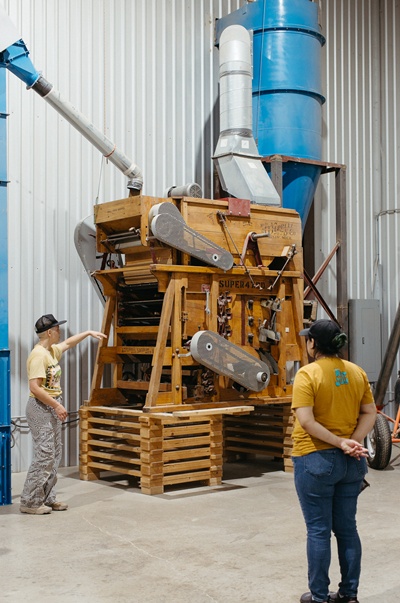
The proverbial lightbulb went on. I’ve heard that phrase dozens of times and I’ve never thought about what it meant beyond being a metaphor. I voiced this thought to Love, who told me, “You’d be surprised at how many everyday words and phrases stem from milling.” She nodded toward the archway door we’d just walked through. “Threshold, for example.” Love went on to explain that threshold relates to threshing, the process of separating kernels of grain from their husks.
Some of these word origins are more certain than others, but it’s fun to trace the connections between the language we use today and the milling traditions that helped shape it. We might not think of milling flour as a big part of everyday life since it is largely automated, but it is interesting to see how much milling and grinding shape our language.
Separate the Wheat from the Chaff
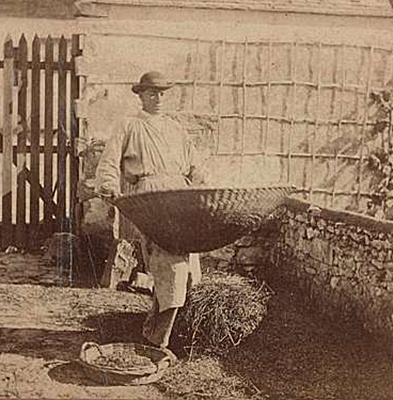
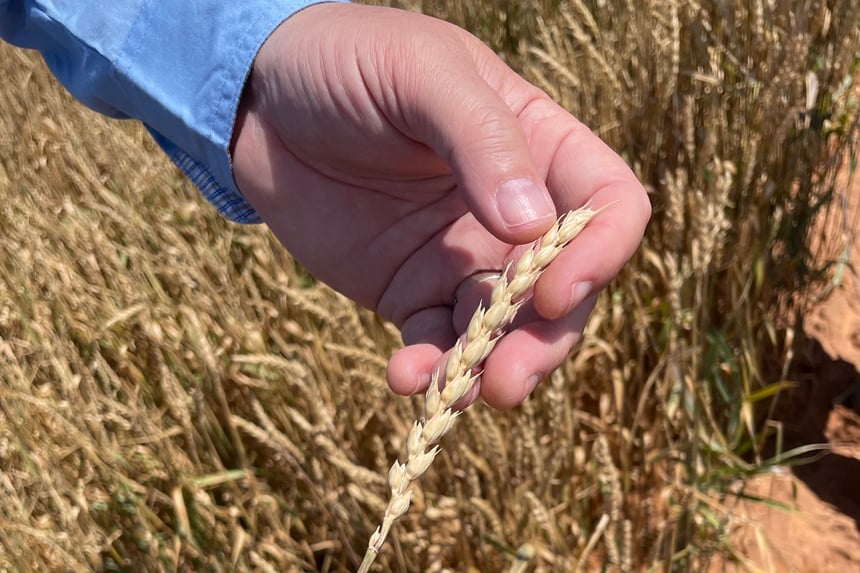
I’ve heard, and used, this phrase too many times to count. Literally, it refers to separating the grain from the chaff, the lightweight husks and plant material left after threshing.
Metaphorically, it means dividing what’s valuable or useful from what is less important or insignificant. For example, if you’re a hiring manager reviewing resumes, you might use the phrase to describe how you separate serious contenders from less qualified candidates. The wheat, the “good” part, would be the candidates invited to interview.
Threshing
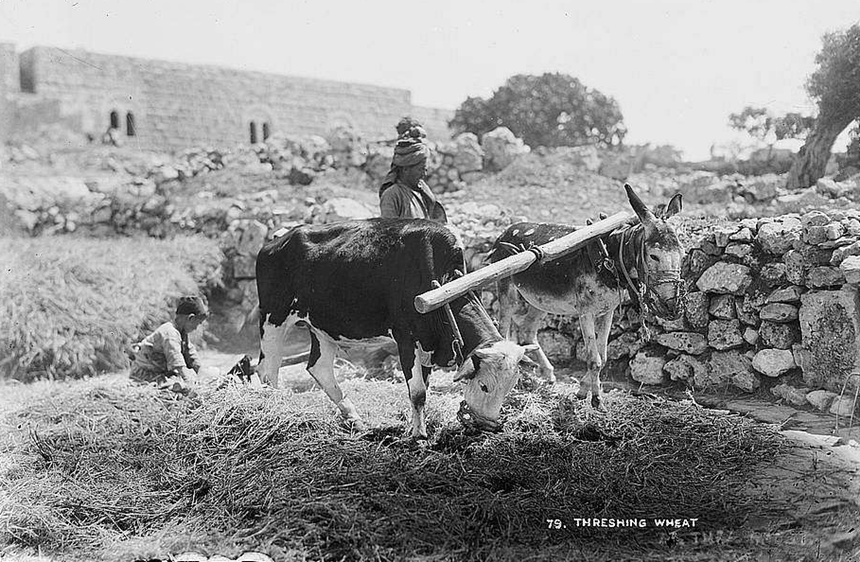
Threshing is the process of separating grain kernels from the husks and stalks after a crop is harvested. The word also appears in expressions related to sorting through or processing something. A threshold generally refers to the bottom of a doorway. The word is rooted in “trample” or “stamp,” which is how farmers threshed wheat before the invention of milling equipment. A doorway or threshold sometimes meant the place where the wheat was processed, or threshed.
A fun pop culture reference to threshing appears in Rebecca Yarros’s New York Times bestselling Empyrean Series. The book, Threshing Day, was released in September 2026 and went right to the number one spot. This fantasy series uses the term “threshing” to reflect how dragons in Yarros’s mythical world choose to bond with humans. Rather than harvesting a crop, threshing becomes a test of courage, compatibility, and survival. Yarros uses the term for a trial in which dragons choose which humans they’ll accept as riders, applying an old agricultural word to a fictional test of selection.
Hopper
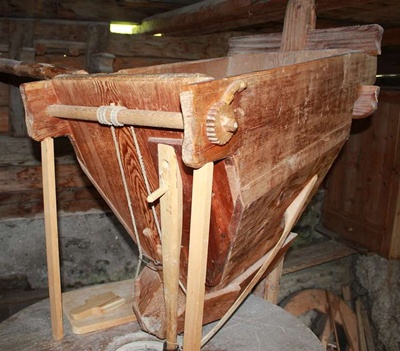
A hopper is a funnel-shaped container that holds grain and feeds it into the milling machinery. The word comes up in other industries, too, wherever materials need to be directed into a machine for processing. You might hear about a hopper in a bakery, a factory, or even a concrete truck.
You might hear someone say, “It’s in the hopper,” to describe an idea or concept still being processed, meaning “up next” or “coming soon.”
Run of the Mill
Run-of-the-mill means ordinary and unremarkable. The phrase refers to the mill’s standard output, not something specially selected or made to order. Today, it can describe anything from an everyday meal to a routine day at work.
When someone says, “It was good but it was just a run-of-the-mill cheeseburger,” they’re describing an average burger that met expectations, neither outstanding nor terrible.
Keep Your Nose to the Grindstone
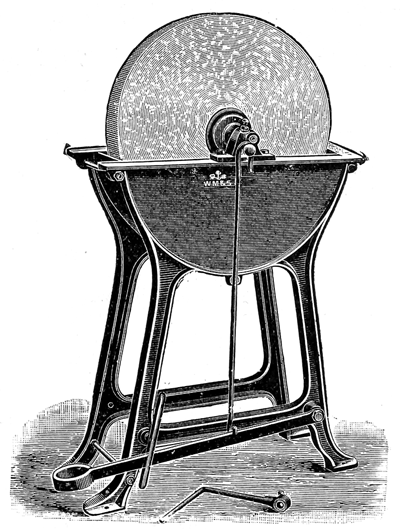
To keep your nose to the grindstone means to work hard and stay focused. The phrase evokes the effort and concentration required to grind grain. These days, someone might be told to keep their nose to the grindstone when they need to finish a project or meet a deadline.
I tell my kids to keep their noses to the grindstone when it comes to studying and maintaining their grades. It’s another way of saying “keep going; keep working hard.”
Although this phrase is often associated with milling, its origins are uncertain, and etymologists believe it might have more to do with sharpening tools.
The Daily Grind
We sometimes call the repetitive, mundane elements of everyday life the “daily grind,” especially in the context of work and responsibility. The phrase comes from grinding grain, a part of flour production. Today, people often use the daily grind to describe drudgery they want to escape.
We might call our work or school routines “the daily grind” without realizing that the phrase is rooted in centuries-old processes used to make flour for bread.
“Daily grind” has taken an even more contemporary detour into gaming language. In gaming, grinding means repeating tasks, challenges, or battles to earn points, level up, or collect items in the game. It’s often repetitive work done to advance progress inside the game. So if you hear someone talk about “grinding” in a video game, they’re likely repeating challenges to build their character’s skills or collect gems and other rewards.
A Millstone Around Your Neck
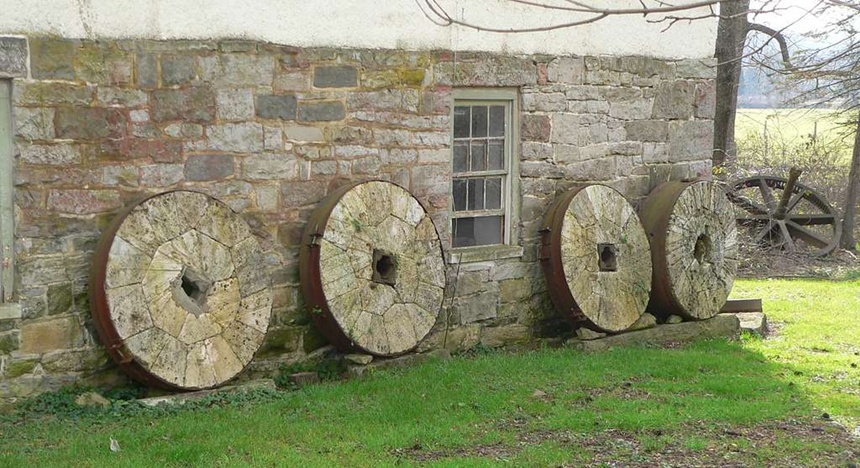
A millstone is a heavy stone used to grind grain into flour so “a millstone around your neck” means a burden or responsibility that weighs you down. The image is easy to understand: Carrying a heavy millstone would make just about anything harder. Often shortened to “a stone around your neck” or a “weight around your neck,” this phrase is a metaphor for any emotional or mental load.
There’s also a biblical connection: In the Gospel of Matthew, a millstone around someone’s neck was referenced as a form of execution.
The Mills of God Grind Slowly
“The mills of God grind slowly” is a saying that suggests justice or consequences may take time. The phrase is often extended to “the mills of God grind slowly, yet they grind exceedingly small/fine,” meaning “slow but thorough.”
Seeing how these everyday terms connect a centuries-old process with modern language keeps curiosity about milling alive. Language, like everything else, evolves, but places like Barton Springs Mill preserve traditional practices by letting people see, taste, and experience where these familiar expressions come from.
Become a Saturday Evening Post member and enjoy unlimited access. Subscribe now