
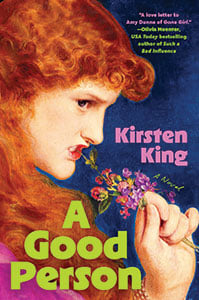
A Good Person
by Kirsten King
On the cusp of turning 30, and determined to lock down a relationship with middling Henry, Lillian is blindsided when he ends their “situationship.” Using a YouTube video as her guide, an angry and embarrassed Lillian drunkenly channels her inner witch and puts a hex on Henry. Hungover at work the next morning, Lillian is shocked to find out that Henry has been murdered. Taking on the role of grieving girlfriend, Lillian becomes desperate to control the narrative to avoid becoming the number one suspect. Lillian’s increasingly erratic behavior becomes more and more unhinged as she tries to uncover what really happened that night. King’s debut thriller is a wild ride for fans of dark comedy and complicated female characters.
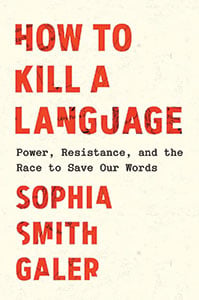 How to Kill a Language
by Sophia Smith Galer
Earth is home to several thousand living languages, but every year their number decreases. How and why languages go extinct (or dormant, as some activists prefer) is the focus of Smith Galer’s well-researched and at times very personal book. Each of ten chapters anchors on a different language — some you’ve heard of, some you haven’t — and a different vector for language loss — from immigrants and exiles trying to assimilate in a new country to governments bent on genocide. And though the subject matter is at first glance a highly academic one, Smith Galer is a journalist by trade. She leaves aside what could be highly technical prose and couches the larger theme in stories of real people, including her own family. There is much to learn here for readers interested in not only linguistics but anthropology and world history.
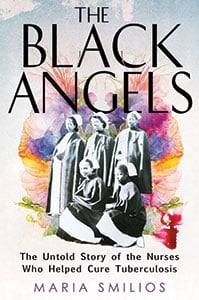 The Black Angels
by Maria Smilios
In 1929, tuberculosis was raging through New York City, pushing an overwhelmed hospital system to its breaking point. When white nurses at Sea View Hospital — the city’s largest municipal hospital — walked out, desperate city officials recruited Black nurses from across the country. Spanning the Great Depression to the 1960s, The Black Angels recovers the voices of these extraordinary women, largely erased from history. Despite being underpaid, overworked, and overlooked, they risked their lives under dreadful conditions, desegregated the city’s municipal hospital system, and played a pivotal role in finding the cure for tuberculosis. Meticulously researched, this historical account puts these forgotten heroines at the center of a riveting narrative. It is a powerful celebration of their legacy, bravery, and spirit of survival.
This article is featured in the November/December 2026 issue of The Saturday Evening Post.
Become a Saturday Evening Post member and enjoy unlimited access. Subscribe now