With scorching temperatures, vast wildfires, and warming seas, it is getting difficult to ignore the effects of climate change. The heating planet is forcing countries, institutions, and individuals to change behaviors and adjust themselves to the hotter weather. The heat led FIFA to implement “hydration breaks” during World Cup matches, and in France, both the Roland Garros tennis tournament and the Tour de France bike competition were disrupted due to the heat.
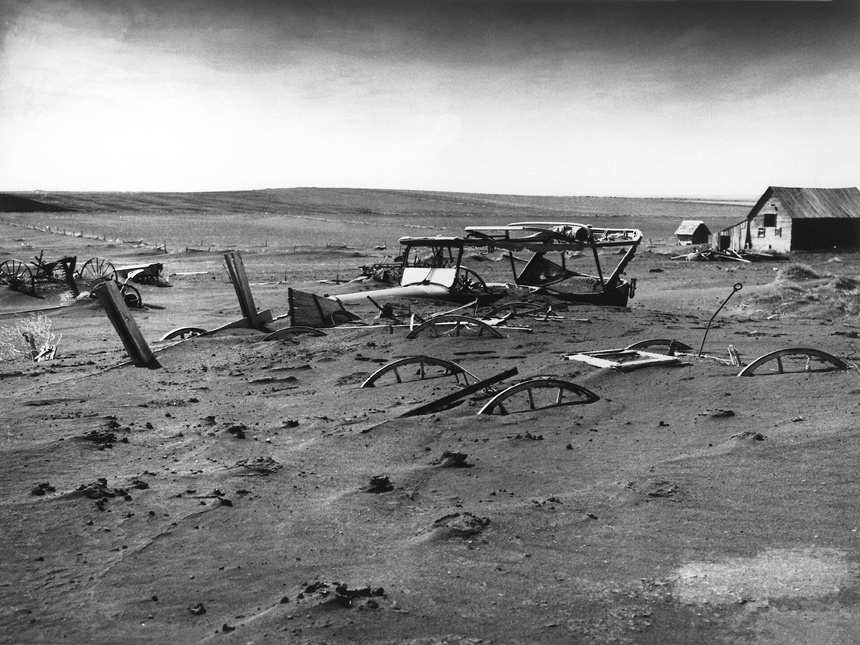
While no doubt we are living in unprecedented times, this is not the first time a severe heatwave has been a major force in changing human behavior. During the summer of 1936, the U.S. experienced one of its worst heatwaves in history, which killed around 5,000 people. Caused by the Dust Bowls and severe droughts in the Great Plains, the heat was especially felt in the Midwest, with temperatures hitting over 100 in Illinois and 114 in North Dakota for several weeks in July.
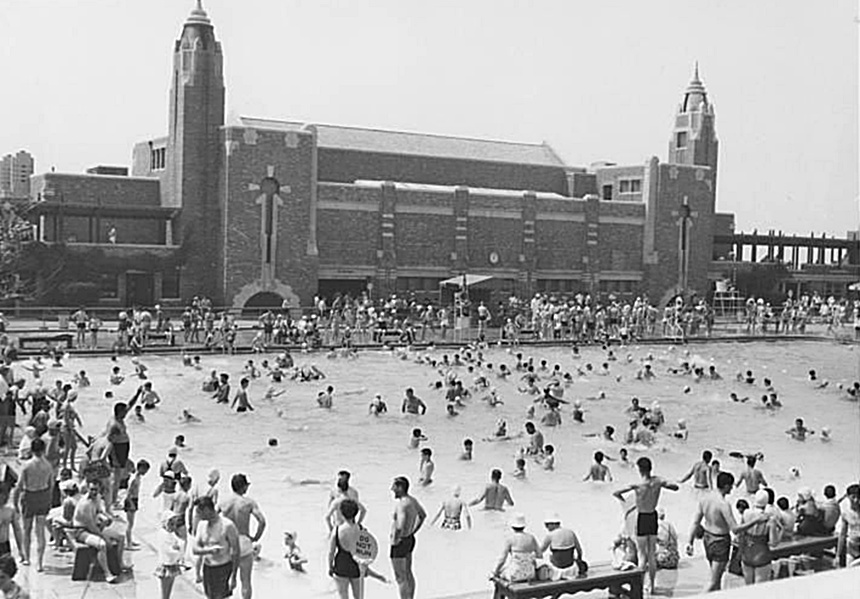
In Minneapolis, the heat wave led to the installation of air-conditioning systems in hospitals and schools. New York City kept public pools open until midnight. In Kansas City, the Salvation Army raised money for ice to be sold for a penny per pound to the poor.
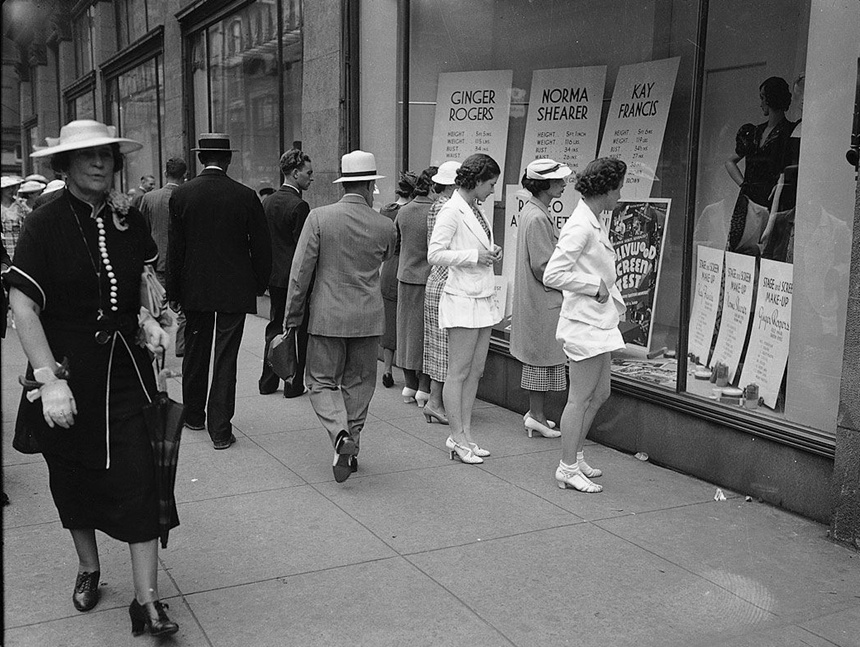
The heatwave also brought changes to fashion and etiquette rules. Although Americans had grown accustomed to seeing women’s knees since the 1920s, wearing shorts that exposed the hips was still considered taboo. For men as well, shorts and T-shirts were considered underwear, not appropriate items to wear in public. However, with the rising temperatures, people sought to rid themselves of as many layers as possible.
The debate over exposed flesh came to the fore when mayors and police commissioners across the country issued bans against shorts. Frederick Mansell, the former president of the Rockaway, New York, Chamber of Commerce, argued that “Of late, there has been an entire change of attitude on what constitutes modesty, and if we try to be somewhat dignified we lose our standing as moderns.” However, he drew the line at short pants. “There is such a thing as being too modern,” he said.
The heatwave, however, proved to be a more decisive force. After two reporters from the New York Daily News, in an attempt to challenge a shorts ban, got arrested in Yonkers, the judge sympathized with their argument that “the idea of arresting peaceful persons for wearing shorts in hot weather is stupid.” On July 10, the peak of the heatwave, he charged them $10 each but suspended the fines. By 1937, the city has eliminated the ban completely.
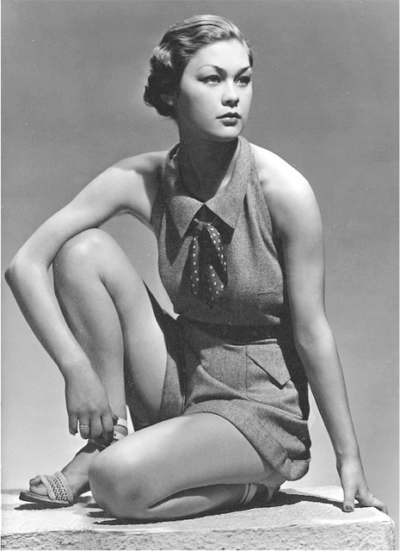
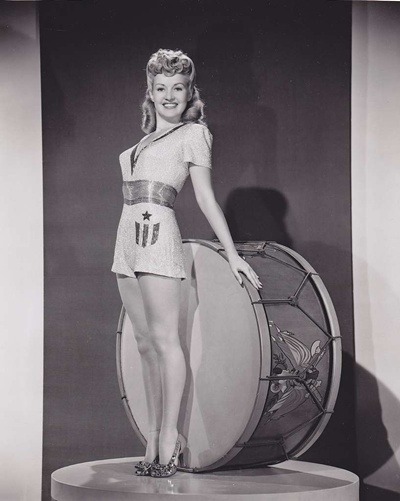
The rise of Hollywood and California as cultural centers, with their eternal summer, also helped in making shorts a popular style, especially among the youth. With Hollywood stars from Muriel Evans and Betty Grable sporting tight shorts and tan legs, the look became fashionable and desirable as many sought to emulate the stars.
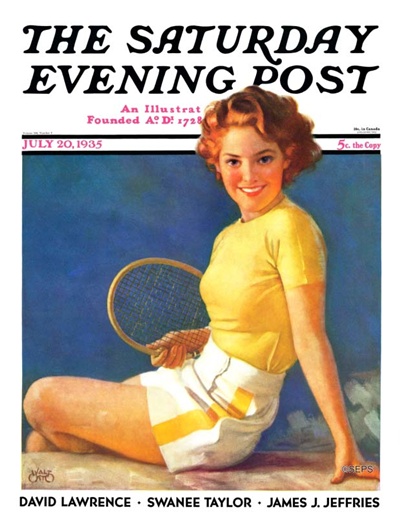
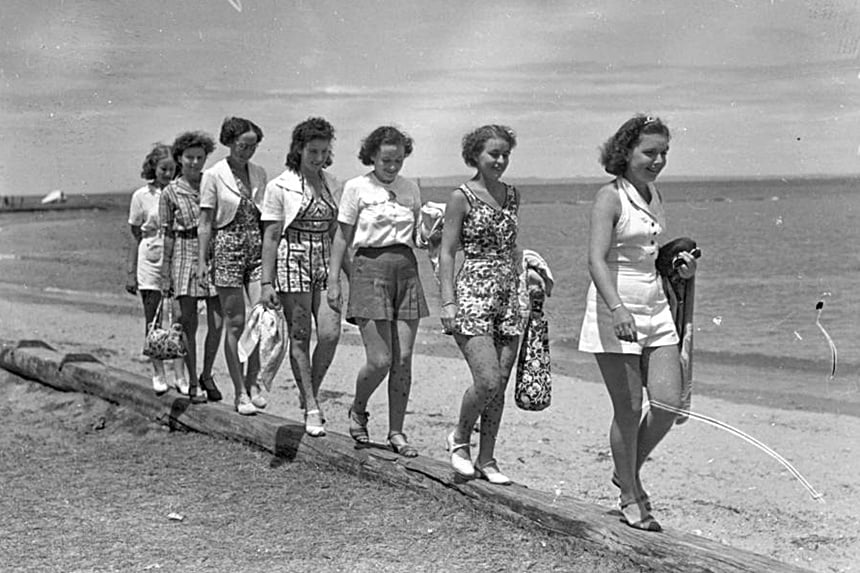
Although in general these fashions were limited to the beach or the tennis court, in places like Cannes and Hollywood, the New York Times reported, “young girls wear their shorts, pareos, and other informal outfits all day long.” It would take a few more years until bikinis would be spotted, but already in the 1930s, scant clothing became a popular fashionable strategy to cope with the heat.
The arrival of cooler temperatures in the fall of 1936 brought respite to many, but it did not stop the continuous march of American fashion toward informality. As sportswear gained popularity — marking a distinct American style in the 1930s and 1940s — comfort and mobility, which included the wearing of shorts, became staples in many closets across the nation.
While today’s debates around heatwaves center mostly around air-conditioning and rising electricity prices, fashion continues to offer solutions on how to cope with rising temperatures. Breathable fabrics and new anti-sweat and quick-drying clothing, as well as cooling towels and hats, are fueling a multimillion-dollar fashion industry that aims to keep bodies cool and fashionable.
Whether sweltering heat will be our new normal in the coming years, or whether humanity will find a way to fight climate change, what to wear on a hot summer day will sure continue to occupy our minds. In 1936, it was shorts that won the day; in 2026, the jury is still out.
Become a Saturday Evening Post member and enjoy unlimited access. Subscribe now





_-_btv1b53264533g.jpg)
Comments
This is an excellent companion article to a recent feature here on the site about the very destructive ’36 heatwave otherwise. It’s interesting the Post had a cover in July 1935 of a young woman in her tennis shorts. That must have been one of the few exceptions of their acceptance until the ’36 heatwave changed everything.
These changes (I think) would have come about anyway with the trend towards informality in the ’30s and ’40s as you state here, but the heatwave definitely sped things up. I know the heatwave here in Ca. just goes on and on. September will be very hot, October less so (maybe). Truthfully, it’s been unpleasantly hot since January; just not to this extent, but 90 degree days in February-April was a really bad sign of things to come.