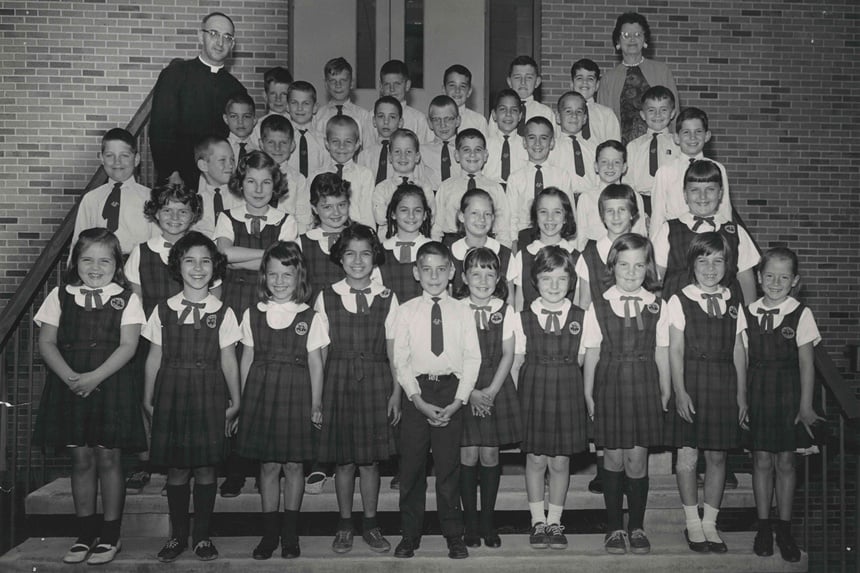
As millions of kids go back to classrooms this month, they – and their parents – will be asking: What should they wear?
In the United States, uniforms are not a commonly required for public school – they are mostly seen in private and parochial schools – but strict dress codes still mandate children’s appearance in public and private schools alike.
The history of school uniforms goes back to medieval times, when in 1222 the Archbishop of Canterbury ordered students at schools associated with the church to wear a black robe called cappa clausa that symbolized modesty and discipline. Although the idea of uniforms was meant to erase class difference by creating sartorial equality among students, by the 19th century, school uniforms came to represent privilege and wealth, especially those that belonged to prestigious schools like Eton and St. Paul’s.
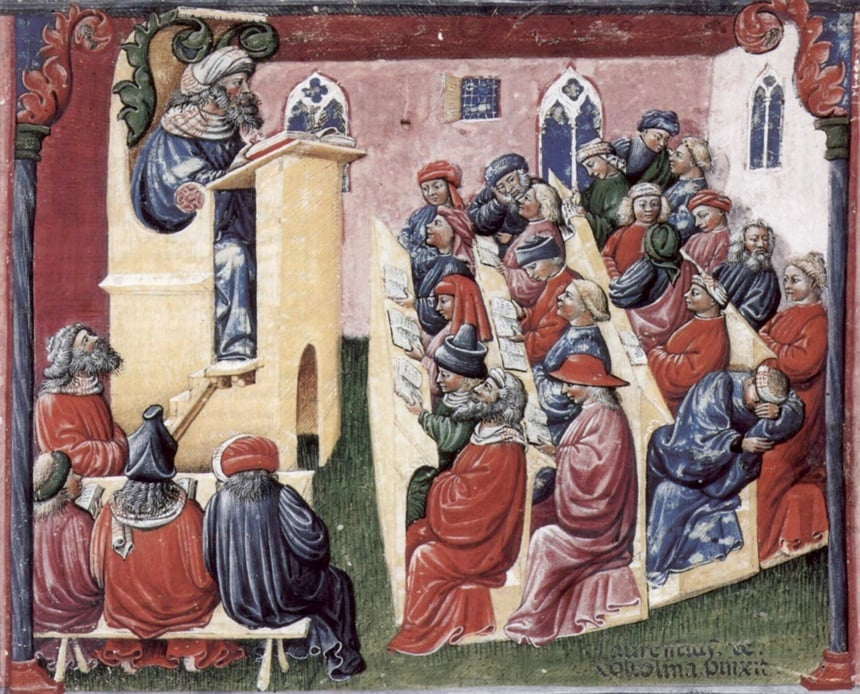
In the U.S., the regulation of attire centered more on colleges and universities than in secondary schools. Elite institutions, mimicking European customs, adopted certain styles that distinguished their students. In the early 20th century, Princeton University’s student handbook, for example, included a rigid dress code for “appropriate attire” that included black sweaters, corduroy pants, and black shoes. Adopting sportwear and tweed suits, Princeton students soon became national fashion trendsetters, giving rise to the “Ivy Style” that conveyed casual luxury.
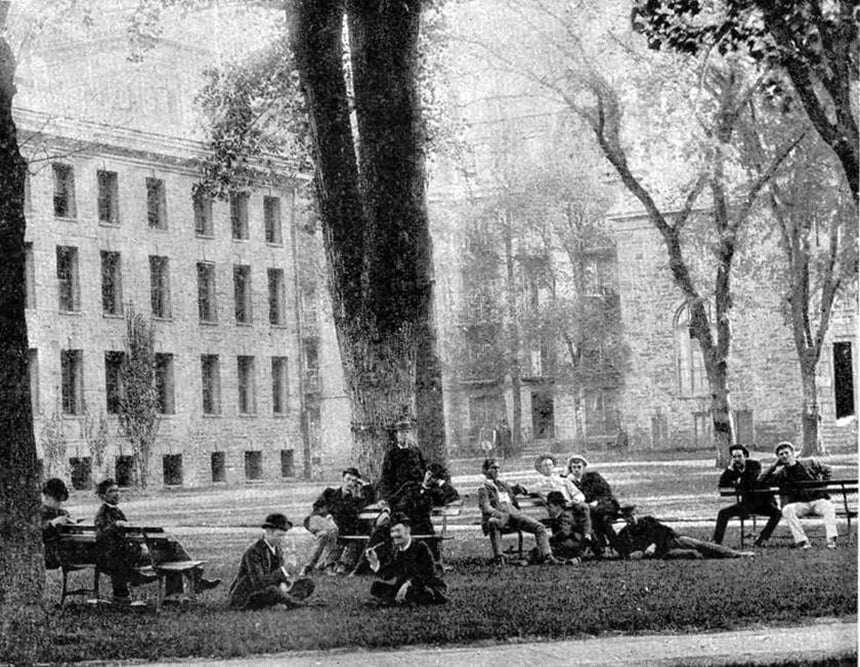
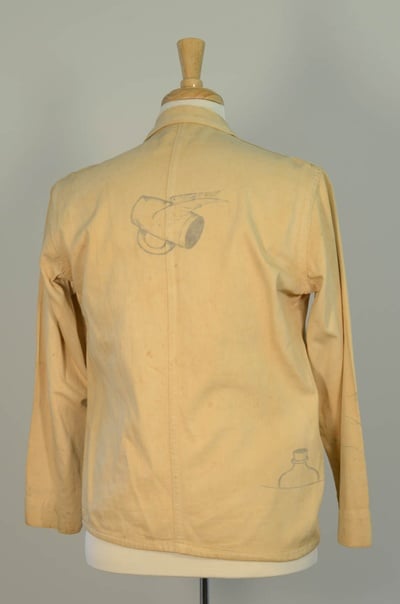
Dress codes at Princeton did not only distinguish the student body from the rest of the public but also created visual hierarchy among the different cohorts. Freshmen were required to adhere to the strictest rules and were not permitted to wear the school colors, while seniors enjoyed the most freedom. In 1912, as an attempt to assert their superiority, seniors created the “beer suit” — a white canvas suit consisting of casual blazer and overalls that was meant to protect clothes from spilled beer. The casual suit, while resembling workwear, soon became a status symbol, along with the orange blazer that identified the students as “Princeton Men.”
While dress codes could be a marker of community and pride, enforced equally by the administration and the students, they were also a contested arena. Crossing class, gender, and race lines, debates over dress codes became a means through which students, parents, and school officials tested boundaries of power and expression, and asserted their voice in school operations.
Debates over appropriate school attire often revolved about questions of morality and exposed skin (especially of girl students). Already in the 1920s, when short flapper dresses and bobbed hair came into style, students claimed their right to participate in these trends, despite school administrations’ misgivings. In 1925, Black women students at Nashville’s Fisk University challenged their institution’s dress code, demanding the freedom to show “long necks and [wear] dresses made of silk or satin,” as their white counterparts did at other colleges. These students did not only protest their treatment as Black students, but also as women, demanding their equally with their male colleagues who were not subjected to a similar strict code of appearance.
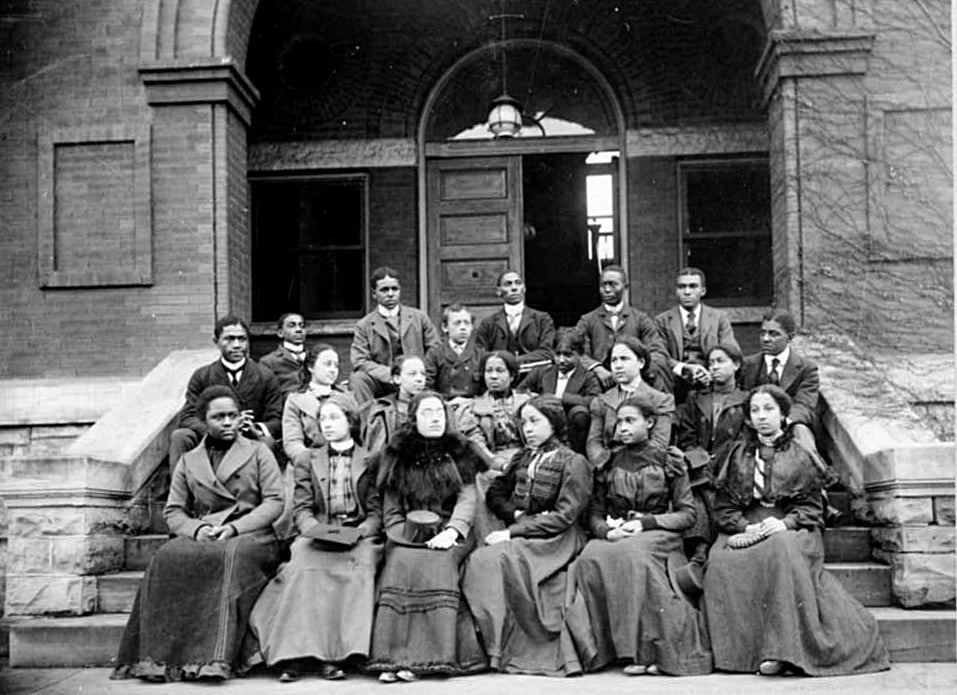
As high school and college education spread to more sectors of society after World War II, and the number of teenagers grew as a result of the postwar “baby boom,” struggles over school dress codes intensified.
Battles over mini skirts and jeans stood at the center as they became the sartorial symbol of the youth counterculture and the sexual revolution. Schools expelled girls who wore minis deemed too short, but girls wearing jeans and slacks were also viewed as a sign of rebellion. Although girls faced the brunt of these bans, boys were not exempt from having their appearance regulated, with long hair proving the main concern. By 1969, The New York Times reported that student protests over dress codes, which ranged from vocal complaints to riots, had occurred in nearly 60 precent of the nation’s high schools.
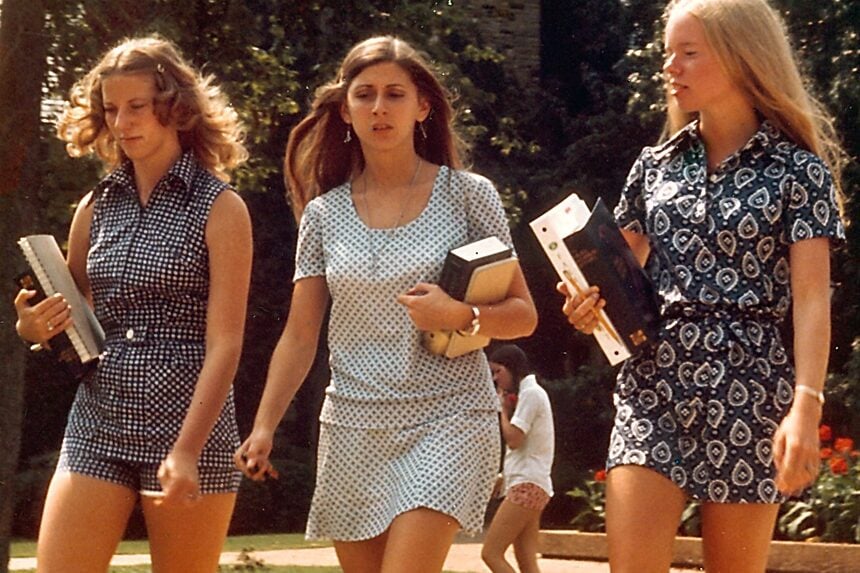
For these students, challenging the regulation of appearance was part of a larger youth rebellion against discrimination and civil rights. Asserting control over their appearance was framed as a claim for equal citizenship and free speech. In the 1969 landmark case of Tinker v. Des Moines Independent Community School District, the Supreme Court sided with the students, ruling that they did not “shed their constitutional rights to freedom of speech or expression at the schoolhouse gate.”
However, only three years later, in Karr v. Schmidt, SCOTUS ruled that wearing long hair did not amount to the protection of the First Amendment. Rejecting the argument that wearing “one’s hair in a public high school in the length and style that suits the wearer,” was a constitutional right, the court ruled that schools could control children’s appearance.
Although hairstyles and fashion have changed much since the 1970s, dress codes still prove to be a hot topic among students, their parents, and their schools. Just like in the past, students today challenge the sexist and racist assumptions that underline many of the contemporary dress codes than ban leggings, crop shirts, or long natural hairstyles.
With dress codes being a point of friction, more public schools are turning to uniforms in an attempt to avoid these clashes. But whether it is a strict dress code or a mandatory uniform, students continue to rebel against it, claiming their right to control their self-expression.
Become a Saturday Evening Post member and enjoy unlimited access. Subscribe now




Comments
Dress Codes should be simple and commonsense if used. I worked as a substitute teacher in a rural county high school for ten years after my retirement from the rural telecommunications industry. What I witnessed was both sexes, female & male would push the codes as far as they could. But the codes were not commonsense or universally enforced by administration. For example cheerleaders got away with wearing as little as possible during the day while say a girl not participating in extracirucular activities like sports wearing similar clothing would be written up in a heartbeat. What I thought was bad was many of these young ladies chose not to wear anything (to speak of) under their clothes and if they bent over to pick up something dropped everyone got a free peep show. When I suspected a young lady violating dress code policy, I reported it to a female teacher. Most of the time, it went nowhere. Pajamas were another dress code violation that was often overlooked for both sexes too. It’s pretty sad what a lot of our young people are doing now. As a former manager, I would not hire anyone who came to an interview in pajamas or unnaturally coloured hair. Both are big turnoffs.