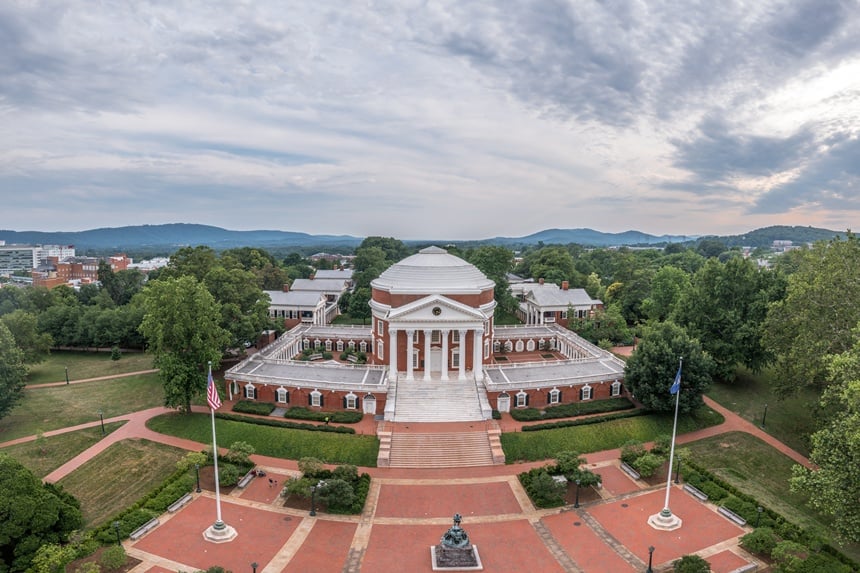
I’ve written a good bit in this column about my hometown of Charlottesville: from its histories of racist memorials and segregation to the contested changes in its neighborhoods and university to last year’s tribute to my late father.
While those columns have tended to focus on harder hometown histories, my dad is far from the only inspiring figure I’ve highlighted: There are civil rights icons like Floyd and William Johnson and Paul Gaston and contemporary activists like Zyahna Bryant and Wes Bellamy, as well as personal heroes like William Byers.
And then there are community icons I’ve just learned about: Nannie Cox Jackson, one of the city’s most prominent 19th century African American educators, business owners, and community leaders, was also likely a descendant of Thomas Jefferson. Jackson contributed immeasurably to the city’s schools in particular, even starting their first hot lunch program at her own expense. My elementary school in town, Jackson-Via, bears her name, but I didn’t know about her before researching this article — a reminder of how much we still have to learn about our past while we likewise celebrate the best of our own period. These figures are part of a long line of impressive individuals who have made the city better despite its challenges, and I’ve always tried to pay tribute to those who embody the best of the place I grew up.
My family and I are down here in Charlottesville for our annual August visit, commemorating my dad’s birthday (on the 11th) and celebrating mine (on the 15th). And so on that occasion I wanted to share a special birthday week tribute to a half-dozen additional figures from across the last half-century, iconic individuals who exemplify my hometown’s community and American story: three I don’t know personally but have been deeply inspired by; and three I’ve been fortunate enough to be more directly connected to and influenced by.
Satyendra Huja
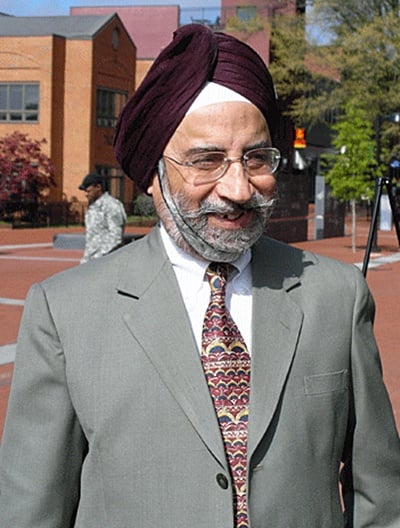
A Pakistani immigrant who became a U.S. citizen at a deeply symbolic July 4, 1987, naturalization ceremony at Monticello, Huja was also one of the most influential figures in Charlottesville’s late 20th and early 21st century growth and development. He was hired in 1973 as the city’s director of city planning and community development and served multiple terms on both the city council and as mayor, later founding of Community Planning Associates to continue those legacies. Huja has helped shape countless elements of the city’s landscape, literal and figurative.
Zyahna Bryant
As I mentioned above, I highlighted Bryant in my prior Considering History column on the contested history of Charlottesville’s Confederate monuments. But as impressive was her petition to have those monuments removed, that’s far from the whole of Bryant’s story. She founded Charlottesville High School’s Black Student Union, served as the youngest member of the Virginia African American Advisory Board, published the multi-genre book Reclaimed (2019), and partnered with Dove on a 2023 campaign for body positivity, Bryant has meaningfully impacted numerous local and national movements before her 25th birthday.
Jamelle Bouie
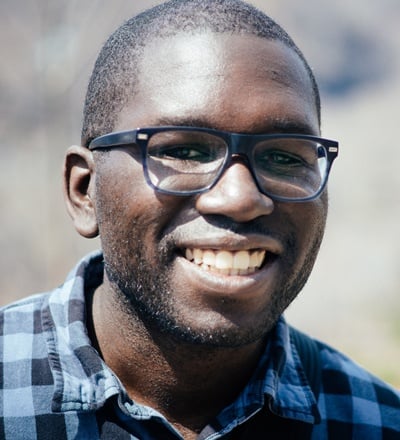
Like me, Zyahna Bryant was born and raised in Charlottesville; like my parents, Satyendra Huja moved to the city for work and then built a life there. But there are also those iconic individuals who have more purposefully connected to both the University of Virginia’s intellectual traditions and Cville’s histories of civic activism, and one of the most prominent of them in our current moment is the acclaimed journalist and author Jamelle Bouie. A 2009 graduate of the University of Virginia, Bouie has remained in town while building a hugely significant public writing career, one that has included stints at Slate and The American Prospect, contributions to prominent publications like The 1619 Project, and his current role as a New York Times columnist. Those efforts have earned him numerous honors, exemplified by the American Political Science Association’s 2025 Carey McWilliams Award for a major journalistic contribution to the public’s understanding of politics.
Dr. Deborah McDowell
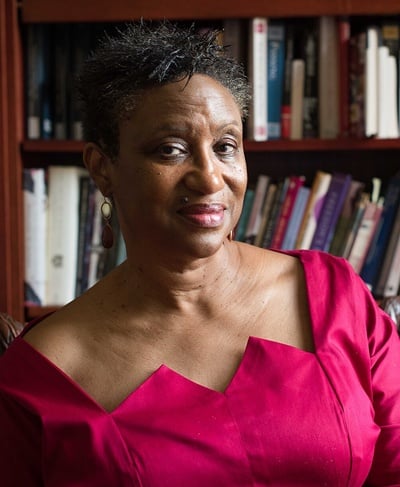
Across my Dad’s 45-year career as an English professor at the University of Virginia, I had the chance to meet, get to know, and be inspired by a number of his impressive colleagues. None was or remains more impressive and influential than Dr. McDowell, a professor of English since 1987 who from 2008 to 2021 was also the director of the Carter G. Woodson Institute (for which she continues to serve as director of the Julian Bond Papers Project). Dr. McDowell’s towering influence on the American literary landscape includes both scholarly efforts like her founding of the Beacon Press Black Women Writers Series and personal ones like her wonderful memoir Leaving Pipe Shop: Memories of Kin (1997). But I know Dr. McDowell is most proud of the legacies of her work with students across her four-decade career, legacies reflected by the moving four-day Retirement Conference that the Woodson Institute held in her honor in May.
Proal Heartwell
The last two figures I’ll highlight are particularly personal, but have likewise left overarching, profound legacies on the Charlottesville community. I got to know the pitch-perfectly named Mr. Heartwell when he was my favorite teacher in the Charlottesville public schools (I had him for both AP Literature and Advanced Composition), but we have stayed connected through his impressive subsequent stages: professional, with his co-founding and multi-decade leadership of the city’s groundbreaking Village School for middle-school girls; and personal, with his evolving writing career that has included historical novels, scholarship and creative nonfiction, young adult lit, and more. I’m proud to call Proal a friend as well as a mentor, and am a much better man for knowing him.
Ilene Railton
I highlighted just a few of the things I’ve learned from my mom in that Considering History column inspired by my parents’ 50th anniversary; I shared just a handful of her professional and writing stages in this recent blog post inspired by her career in early childhood education and advocacy. I could go on and on, but I’ll end on this note: As this column clearly illustrates, as a teacher and a writer, as a parent and a partner, and as a community member and a human, I’ve been blessed with so many inspirations and influences; but none has been and remains more important and inspiring than Ilene Railton.
Become a Saturday Evening Post member and enjoy unlimited access. Subscribe now
.gif)

