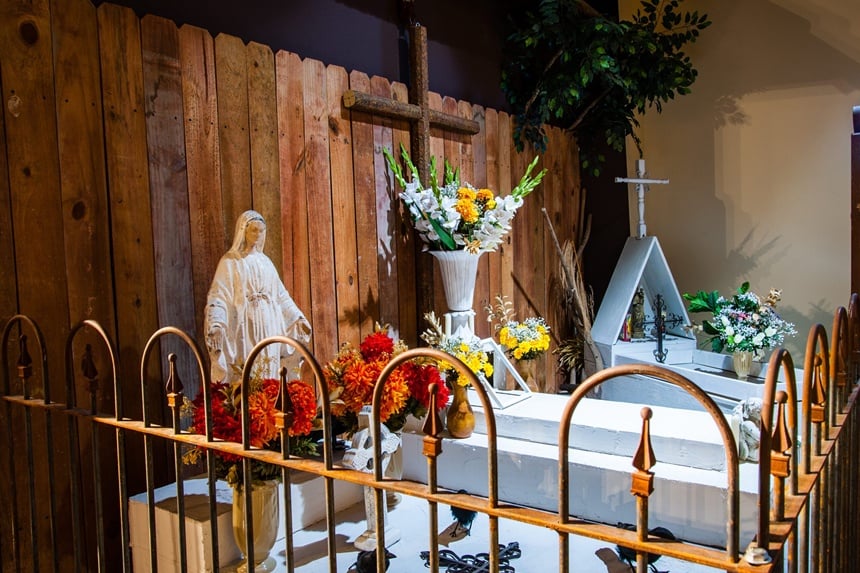
When I first heard about the National Museum of Funeral History in Houston, I assumed it would be the kind of quirky spot you visit for the novelty, lumped into the same roadside attraction category as the world’s largest can of chili (in Beloit, Wisconsin, if you’re curious). Surprisingly, that’s not what it is at all.
The museum is devoted to a subject most of us would rather not dwell on, but it approaches death through history and culture rather than in a spooky or foreboding way. The exhibits explore how people have remembered their dearly departed, how funeral traditions have changed, and how much ceremony societies have built around saying goodbye.
Death is one of the few experiences every human culture shares, but what we do with it varies enormously. We dress for it, build monuments for it, preserve memories of the dead, and create elaborate rituals around the moment someone leaves us. Even people who would rather not think about their own mortality can be fascinated by the customs others have created around it. That’s part of what makes museums like this interesting: They aren’t really just about death. They’re about what the living believe is important enough to carry forward after someone dies.
It’s Much More Than a Collection of Coffins
The National Museum of Funeral History occupies 30,500 square feet and has 19 permanent exhibits. The collections cover a surprisingly broad range of subjects, including presidential funerals, papal traditions, funeral transportation, cremation, and mourning customs.
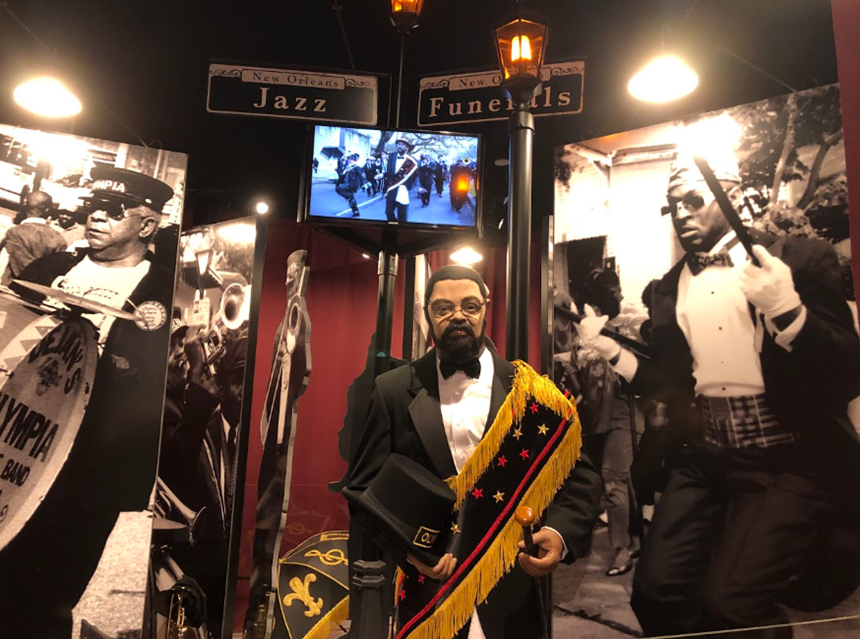
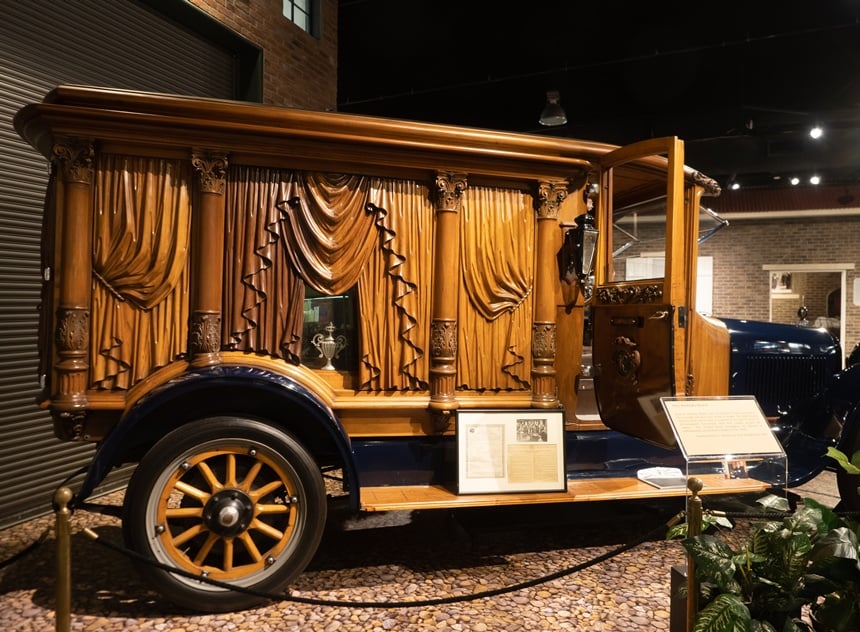
That breadth is what makes the museum work. You can move from an exhibit about a U.S. president to one about Victorian mourning traditions and then find yourself looking at the craftsmanship of an ornate hearse. The individual objects are interesting, but the context around them makes the museum more than a collection of unusual artifacts.
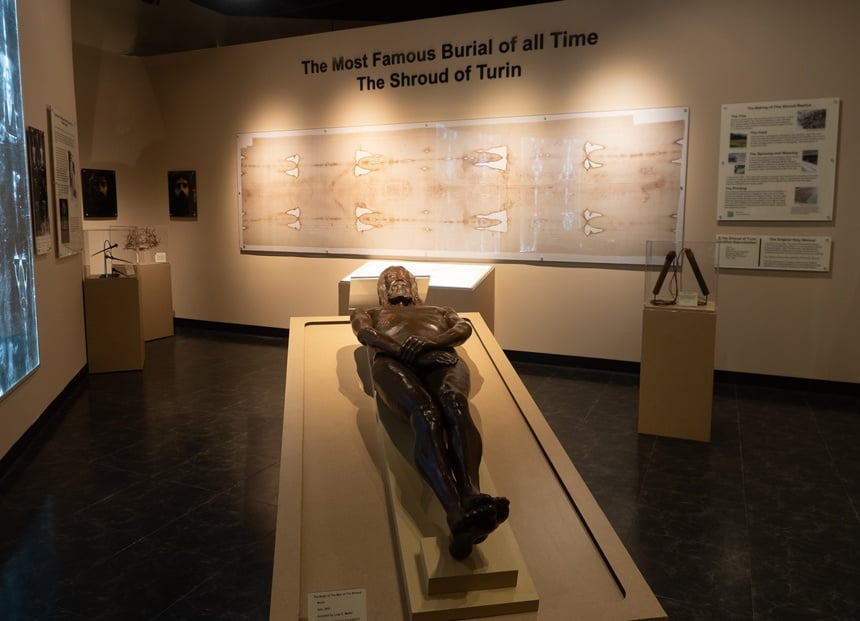
The museum also periodically adds to its exhibits. One recent addition, The Most Famous Burial of All Time: The Shroud of Turin, examines the history of the linen cloth many believe is Jesus’s burial shroud and the ongoing debate over its authenticity.
Presidential Funerals Tell a Bigger Story
The Presidential Funerals exhibit is one of the museum’s signature collections, but it isn’t really about the deaths of presidents. Instead, it looks at the rituals, logistics, and national symbolism involved in commemorating them.
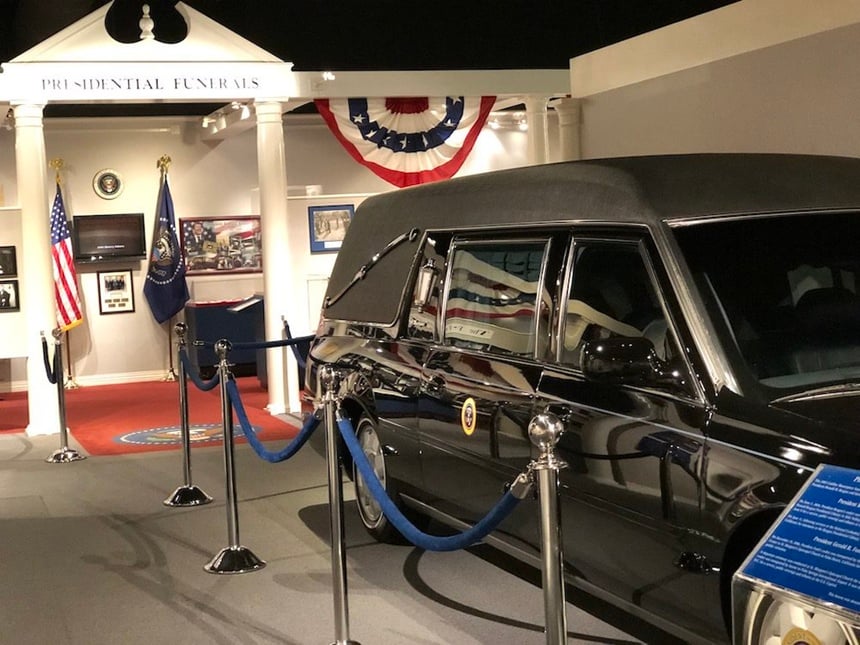
Among the artifacts are George Washington’s original funeral bill, the original burner assembly from the eternal flame at President John F. Kennedy’s gravesite at Arlington National Cemetery, and hearses used for the state funerals of Presidents Ronald Reagan and Gerald R. Ford.
Seeing these objects together gives some context to the elaborate ceremonies Americans have created around the deaths of their leaders. The exhibit lands more like a study of presidential and social history than a collection of artifacts about death and dying.
The Exhibits Go Beyond American Traditions
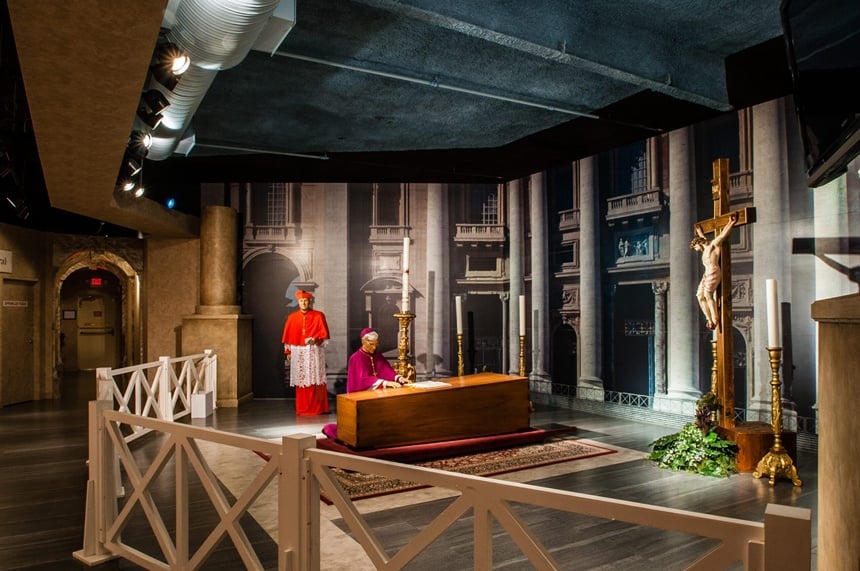
The museum also looks at how other cultures and institutions approach death. The Celebrating the Lives and Deaths of the Popes exhibit, developed in collaboration with the Vatican, examines the rituals surrounding the death of a pope, including ceremonial objects, vestments, and long-established traditions.
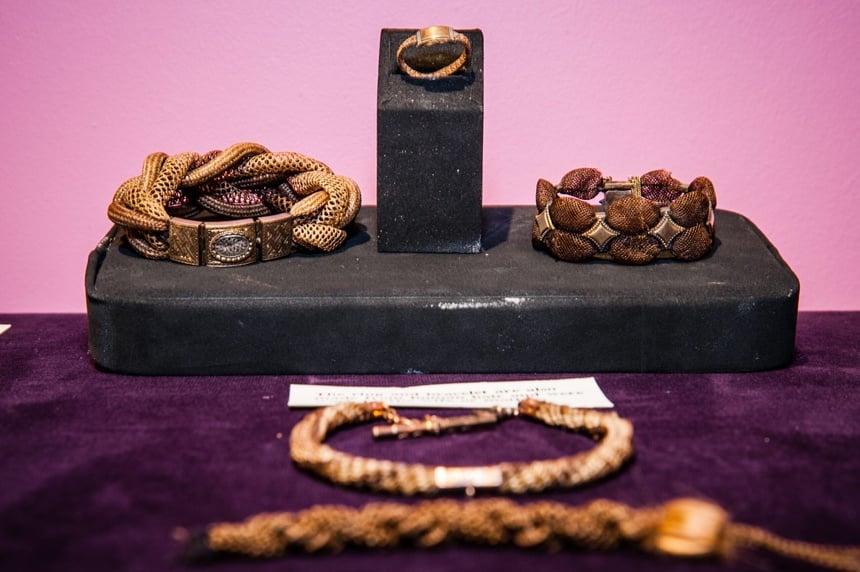
Another exhibit focuses on 19th-century mourning, when elaborate social customs dictated grief. Clothing, jewelry, and memorial objects illustrate how visible mourning once was, including mourning jewelry made with the hair of the deceased.
The Historical Hearses exhibit adds another perspective. Horse-drawn funeral carriages and motorized hearses show how transportation changed over time while funeral vehicles remained objects designed to convey ceremony and dignity.
Taken together, the exhibits suggest that how we handle death says a lot about the people and cultures doing the grieving.
Know Before You Go
The National Museum of Funeral History is in north Houston, about 25 to 30 minutes from downtown depending on traffic, and roughly 20 minutes from George Bush Intercontinental Airport. There is free on-site parking.
The museum is open Monday through Friday from 10 a.m. to 4 p.m., Saturday from 10 a.m. to 5 p.m. and Sunday from noon to 5 p.m. I’d allow at least two hours, though you can easily spend up to four if you want to dig into everything and read all the descriptions that go with the exhibits.
There are zero “haunted mansion” vibes, so if you go expecting a paranormal-adjacent experience or jump scares, you’ll be disappointed. Instead, enjoy digging into the artifacts and cultural context that go along with how we approach death. It’s a particularly good stop if you enjoy museums that take an unexpected subject and use it to tell a much larger story.
More Museums for the Morbidly Curious
If the National Museum of Funeral History leaves you wanting more, these museums take death, medicine, and mourning in different directions:
Mütter Museum, Philadelphia

The Mütter Museum is less a museum about death than a museum about the human body, medicine, and what can go wrong with both. Its collection includes more than 35,000 medical specimens and objects, including preserved human remains, anatomical models, medical instruments, and pharmaceuticals. The museum’s cabinet-of-curiosities atmosphere can make the experience feel macabre, but its stated mission is to help visitors understand the history of medicine through the lives of the people who experienced it.
Museum of Death, Los Angeles
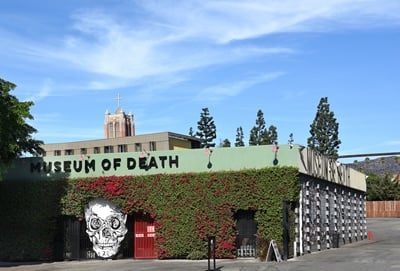
The Museum of Death takes a more fiendish turn, focusing on true crime, macabre artifacts, and some of the darker corners of human history. The Hollywood museum’s collection includes funeral ephemera, mortician and coroner instruments, crime-scene photographs, serial-killer artwork, Manson Family memorabilia, and other material related to death and true crime. It’s a self-guided experience that takes roughly 45 minutes to an hour, although visitors can spend longer with the hundreds of objects on display. There is also a New Orleans location, and the two museums are intentionally different: There are no duplicate exhibits between them.
Siriraj Medical Museum, Bangkok
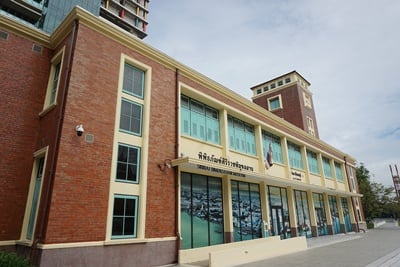
Bangkok’s Siriraj Museum is perhaps the most visceral entry on this list. It’s actually a collection of medical museums at Siriraj Hospital, including the Songkran Niyomsane Forensic Medicine Museum, Ellis Pathological Museum, Parasitology Museum, and Congdon Anatomical Museum. The forensic museum examines unnatural death through forensic pathology, displaying human organs, evidence from murder, suicide, and accident cases, forensic evidence, skulls used in research and other material from actual cases. The pathology and parasitology collections broaden the experience into disease, anatomy, and the medical realities of the human body.
Although the museum’s official name is the Siriraj Museum, if you’re trying to locate it while in Thailand, it is more commonly known as the “Museum of Death.”
London’s Wellcome Collection

The Wellcome Collection in London is the least explicitly macabre of these museums, but perhaps the broadest in its examination of what it means to be human. Its library and collections span thousands of years of health and medicine across cultures, with objects, artworks, books, and archival material exploring the body, illness, and medical practice. Its collections also include historical material related to death, grief, and mourning, making it a good choice for travelers more interested in the cultural and intellectual history surrounding mortality than in graphic exhibits.
Become a Saturday Evening Post member and enjoy unlimited access. Subscribe now



.jpg)


Comments
Being raised and having lived in rural Southern US areas all my life I can remember one of my very first visitation experiences as a young boy. The departed “lay corpse” (Yes. That term is still used to mean “lie in state” by many people including myself.) was in the home of the family or departed. There was a black, thinly veiled partition located between where the coffin was and the line of people awaiting to pay their respects to the family. You only viewed the departed once you entered behind the partition and when you exited the partition after paying respects you saw the departed no longer unless you were family or close friends. When I was a boy funeral homes in my small town were small and often not more than converted former residences with not much room for long term sit down visitation and much less funerals. Funerals were either graveside services, held in a church sanctuary, and/or both. A lot of families in outlying rural areas did not have the means to have their loved ones carted into town to a funeral home and services like an ambulance or coroner’s wagon were short on availability or not provided by rural counties. Funerals and visitation have come a long way from the days of yesteryear.
Only one other note to add: My wife’s family purchased an old hospital in the rural town near where I live back in the 1970s and has served as a funeral home since. Her uncle who passed recently was a funeral director. Her cousins are licenced embalmers.