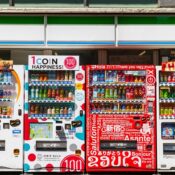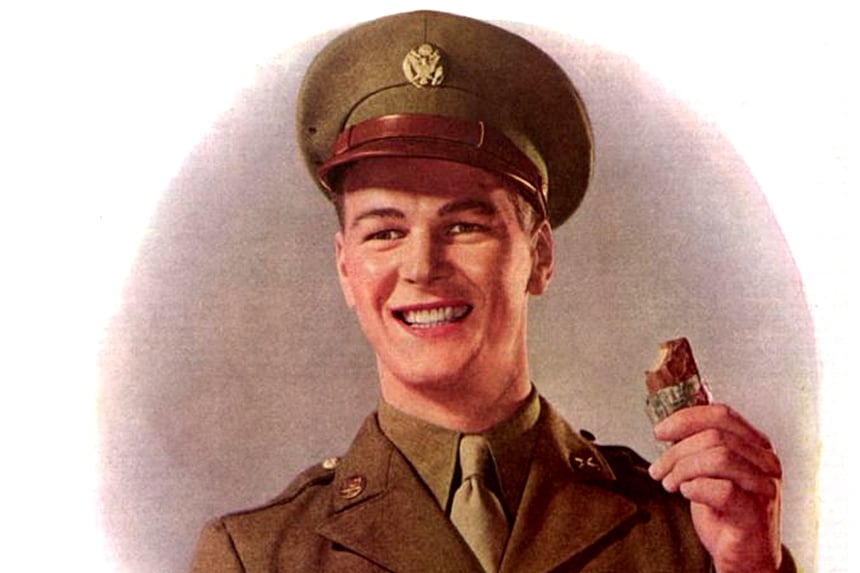
Today, candy bars are an ordinary part of American life, found in grocery stores, vending machines, and convenience stores across the country. However, chocolate was not always the smooth, sweet treat Americans know today.
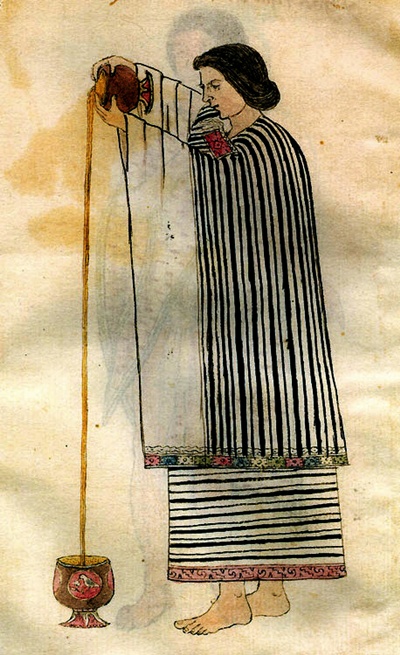
Chocolate originated more than 5,000 years ago in tropical South America and ancient Mesoamerica, where cacao trees are native. When cacao trees were domesticated remains unclear, but historians widely credit the ancient Olmec civilization of southern Mexico as the first people to consume chocolate — mostly as a bitter, frothy, ceremonial drink reserved for religious rituals and elites. Over time, other Mesoamerican tribes began to incorporate the plant into their cultural rituals, with the Mayans preparing chocolate drinks for celebrations and the Aztecs, who viewed chocolate as a divine gift from their gods, using cacao beans as currency to buy goods.
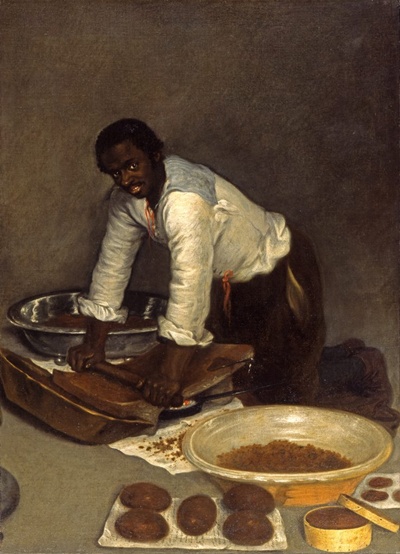
Spanish explorers were the first Europeans to encounter cacao in the 16th century, with some crediting Christopher Columbus for discovering cacao beans during his journey to America and bringing the beans back to Spain. By the late 1500s, Spain began importing chocolate, and as other European countries like Italy and France visited Central America, they also brought chocolate back to their respective countries. To suit their palettes, Europeans began to make their own varieties of hot chocolate with cane sugar, cinnamon, and other spices. In 1641, chocolate arrived in Florida on a Spanish ship, becoming a common drink in colonial America alongside coffee and tea. The production relied heavily on Caribbean and South American plantations that used enslaved labor to harvest cacao and process sugar, shipping hard blocks or bricks of raw chocolate north to colonial ports. During the American Revolution, chocolate — which was not taxed — became an alternative for tea. It was also included in soldier packs for the Continental Army because it was calorie-dense and easy to transport.
In 1847, British chocolate company J.S. Fry & Sons mixed cocoa powder, sugar, and cocoa butter to make the first solid, moldable eating chocolate. Cadbury — a small grocer’s shop that sold tea, coffee, and chocolate goods — introduced the first decorative, heart-shaped chocolate box for Valentine’s Day in 1868. Later, they also created the first chocolate Easter egg. By the end of the 19th century, chocolate had expanded from an exclusive liquid drink into a wide range of solid confections. Daniel Peter, a Swiss chocolatier, collaborated with entrepreneur Henri Nestlé to use condensed milk, successfully inventing smooth, mass-produced milk chocolate. In 1879, Rodolphe Lindt invented the conche machine, which intensely heated and stirred chocolate to create a creamy, melting texture.

In 1893, Milton S. Hershey saw German chocolate-making machinery at the World’s Columbian Exposition in Chicago, which inspired him to sell his Lancaster Caramel Company to focus entirely on making chocolate. He went on to develop a unique method to condense fresh milk with sugar before blending it with chocolate liquor, creating a shelf-stable and distinctively American milk chocolate flavor. In 1903, Hershey built a factory in Pennsylvania, where he pioneered the assembly-line production of chocolate. During World War I, the U.S. military formally issued chocolate and candy as official rations, boosting soldiers’ morale and energy. When returning from war, soldiers brought home a sweet tooth, driving a massive postwar demand for pocket-sized candy bars and the expansion of the market in the 1920s.
Throughout the Roaring Twenties, veterans and civilians alike sought out candy bars, particularly after ratification of the National Prohibition Act of 1919, which left Americans seeking pleasures to replace alcohol. This high demand allowed more innovation in the chocolate industry, introducing many iconic mass-produced candy bars. By the end of the 1920s, more than 40,000 different candy bars were being made in the United States. Charleston Chew — a chocolate-covered vanilla nougat named after the roaring-twenties dance craze — Oh Henry! — fudge, caramel, and peanuts covered in milk chocolate — and Baby Ruth — peanuts, caramel, and nougat coated in chocolate — became some of the most popular candy bars of the era. According to a 1925 article from The Saturday Evening Post called “A Sweet Business,” more than $500,000,000 worth of candy was consumed annually in the United States at the time.
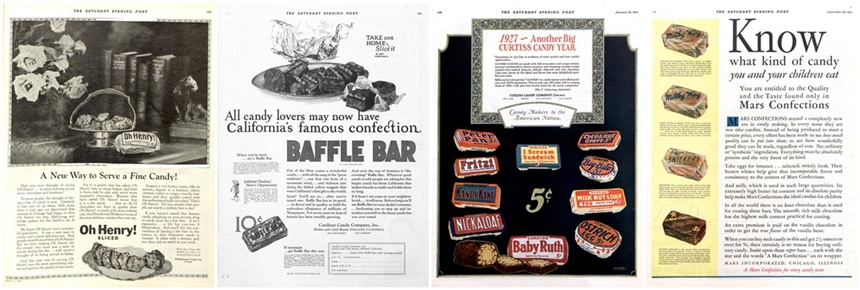
Chocolate companies began using a range of strategies to market their products. The popular candy bar Baby Ruth was officially named after Ruth Cleveland, the late daughter of President Grover Cleveland. However, it was alleged that the Curtiss Candy Company used the name to benefit from association with baseball player Babe Ruth without paying him any royalties. When the baseball player tried to launch his own competing product called “Ruth’s Home Run Candy Bar,” he was sued for trademark infringement, losing the lawsuit due to the similar names.
Later, during the Great Depression, candy served as an affordable luxury for families facing severe poverty, with some products priced at one or two cents. One notorious product launched in 1923, the Chicken Dinner candy bar, used shocking visual marketing and a bizarre name to trick consumers into thinking a 5-cent chocolate nut roll was as substantial and filling as a real meal. Early wrappers featured a graphic of a giant roast chicken, causing widespread confusion about the candy’s flavor. Notably, the brand also drove custom promotional trucks shaped like a giant hen sitting on a nest, featuring sound systems that played loud cackling noises to draw crowds.
During World War II, candy and chocolate became an important part of the U.S. military’s food supply once again. Before the war, Hershey worked with the U.S. Army to develop the Ration D bar, a four-ounce chocolate bar designed to provide soldiers with energy while surviving high temperatures. The candy bar was also intentionally designed to taste unappetizing in order to prevent soldiers from eating their emergency survival food during normal times. After the United States entered the war, Hershey greatly increased production, making more than three billion ration units between 1940 and 1945. M&M’s — which were originally inspired by British-made Smarties that soldiers ate during the Spanish Civil War — was another wartime candy. Introduced in 1941, the candy was sold exclusively to the military during the war because their hard candy coating helped prevent the chocolate from melting. Due to strict sugar rationing, using alternative sweeteners like molasses, corn syrup, honey, and unexpected bases like mashed potatoes became a common practice.
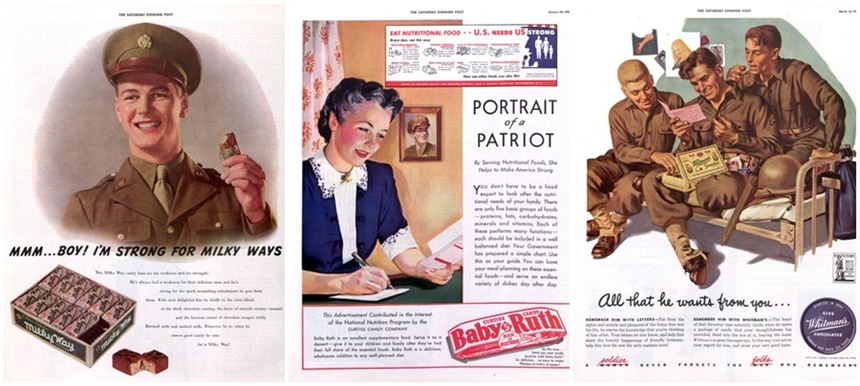
After World War II, the American candy industry experienced a massive production and consumption boom. Since the wartime limits on sugar and chocolate were lifted, factories were able to restore classic recipes and expand production. Snickers, Baby Ruth, and Mounds were among the most popular candy bars in the post-war era.
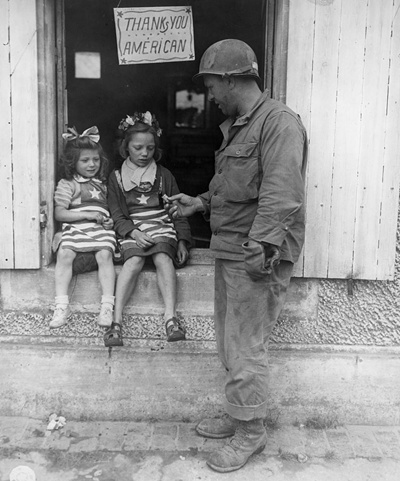
In addition, consumption climbed rapidly because millions of soldiers returned home with a habit of eating candy daily, which created a massive domestic consumer base. With greater financial stability and the Baby Boom during the 1950s, candy companies quickly capitalized on this booming demographic, implementing catchy animated jingles and bright, colorful wrappers. . From certain doctors giving patients small amounts of chocolate before an operation to claims that eating three pieces of candy would lead to weight loss, presenting candy as a healthy food became another common advertising tactic.
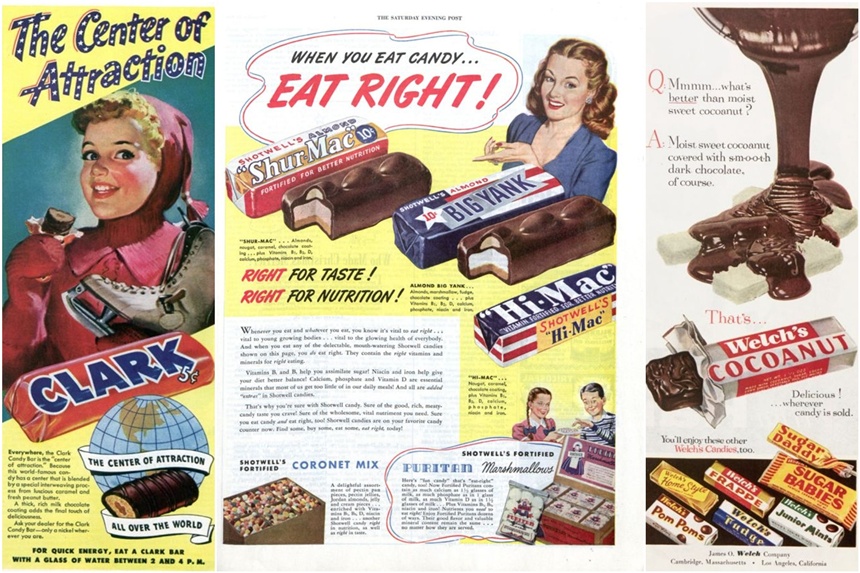
Candy continues to be one of the most popular snacks in the United States, having reached a record $55 billion in retail sales in 2025 alone. Currently, the leading consumers and spenders of candy are people aged 35 to 44.
From ancient cacao drinks to the candy bars lining today’s store shelves, chocolate has come a long way. Wars turned candy into a source of energy and morale, advertisers turned candy bars into cultural icons, and new technology allowed companies to produce and distribute them on an enormous scale. Even as the industry has changed, Americans have never quite lost their sweet tooth.
Become a Saturday Evening Post member and enjoy unlimited access. Subscribe now