This series by American studies professor Ben Railton explores the connections between America’s past and present.
Earlier this month, our favorite local Chinese restaurant closed its doors. As such closures go, this wasn’t a sad story—Mandarin Cuisine had been in operation for 37 very successful years, and its owners are now moving into a well-earned and much-deserved retirement. But for all of us who were Mandarin’s loyal customers and fans, the moment is still a bittersweet one to say the least, as this wasn’t just a place to find delicious dumplings and top-tier General Tso’s chicken; it was also a space that both brought together members of the area’s diverse communities and embodied the best of what such diversity can symbolize.
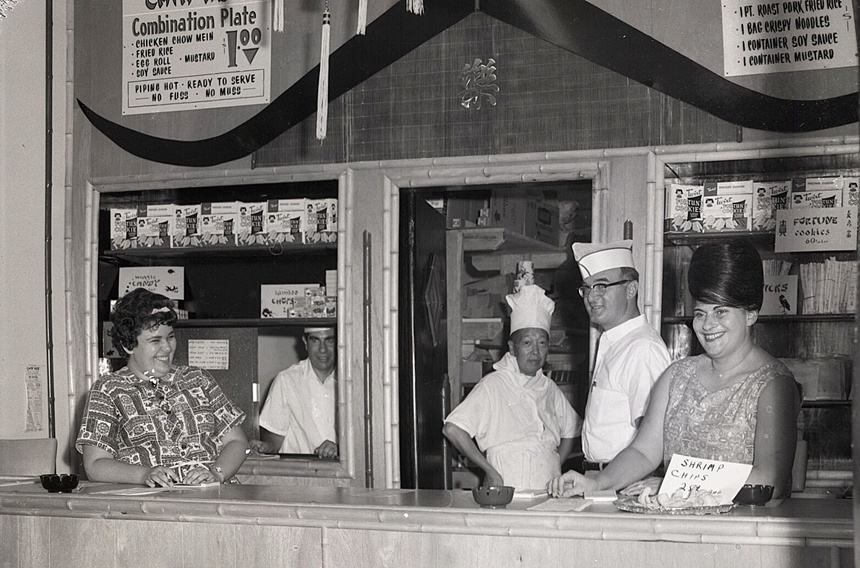
So to honor (and, yes, mourn) Mandarin Cuisine, here in this Thanksgiving week I wanted to pay tribute to not only this specific restaurant, but also to the long and exemplary history of Chinese restaurants in the United States. I’m profoundly thankful for that most American space.
As with so many layers to both Chinese American history and the evolving story of the American West, Chinese restaurants in the U.S. seem to have originated during the period of the mid-19th century Gold Rush. That era saw the first mass migration of Chinese migrants to the United States — many voluntary, others in conditions of involuntary servitude — and as with any new immigrant community, these arrivals wanted places to eat that would both reflect their heritage and also adapt it to their new world. These establishments, often known in that early period as “chow chow houses,” sprang up in both railroad and mining camps and the era’s blossoming cities, and satisfied the new arrivals’ nostalgic hunger while also introducing this adapted, cross-cultural cuisine to new communities.
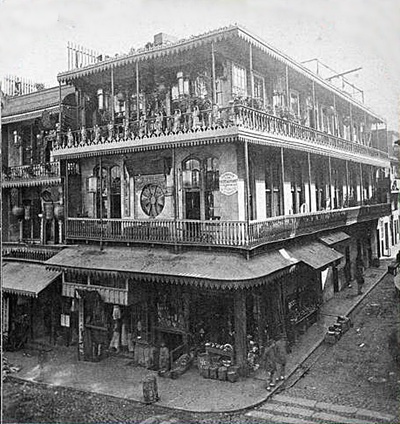
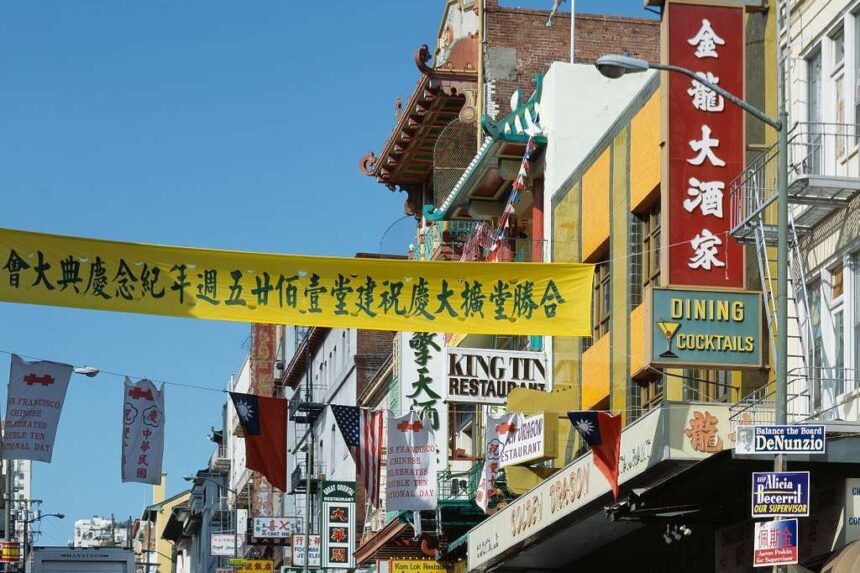
Over the final decades of the 19th century, this original trend expanded in a couple distinct but interconnected ways. The continued, striking growth of the Chinese American community — the 1880 census documented more than 100,000 Chinese Americans across the continental United States — was concentrated in around the country, from the oldest ones located in those aforementioned Western cities (like San Francisco and Seattle) to the newer neighborhoods in New York and Boston. Each of those Chinatowns and the countless others around the country featured a number of restaurants. Explicitly cross-cultural dishes like “chop suey” became standards on menus around the country.
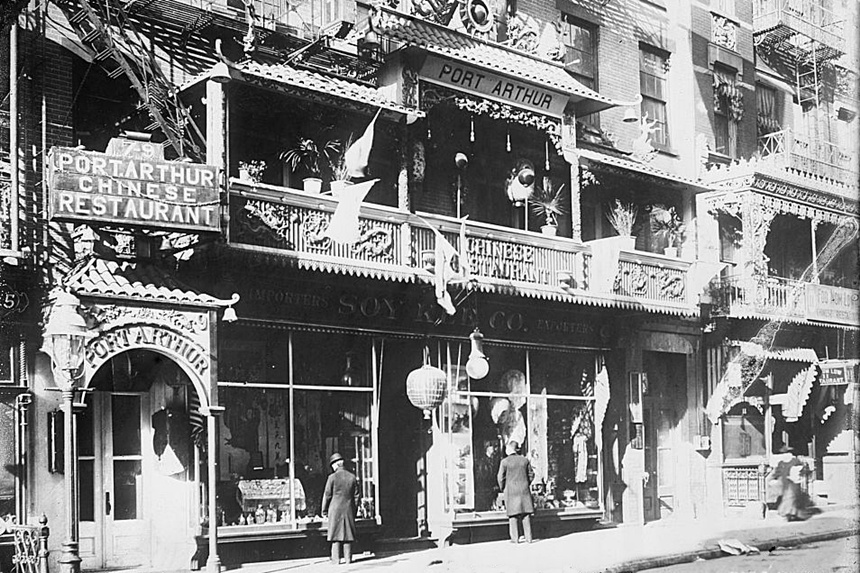
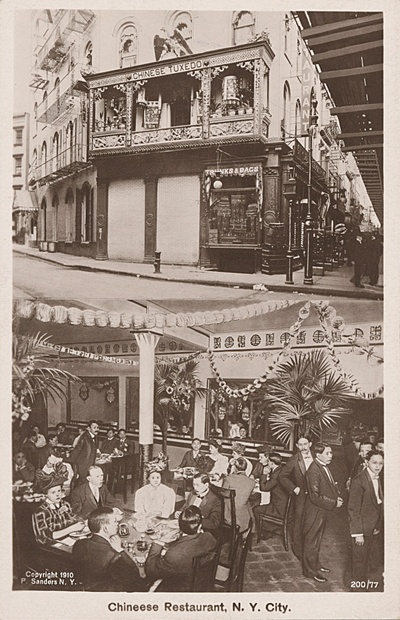
These restaurants also blossomed for another, seemingly contradictory and yet inspiring reason. The 1882 Chinese Exclusion Act and its aftermath laws made it extremely difficult for most new Chinese arrivals to stay in the United States (to say nothing of those policies’ effects on the existing Chinese American community), but allowed for one notable exception: Chinese “merchants” who were seen as contributing to the economies of American communities. Operating restaurants was defined as one typical such form of merchant activity, and so many more Chinese arrivals began opening restaurants in this period in order to stay in America. And whether they ever intended for those restaurants to truly succeed and stand the test of time, many of them did so, for reasons unsurprising to anyone who has ever eaten in one.
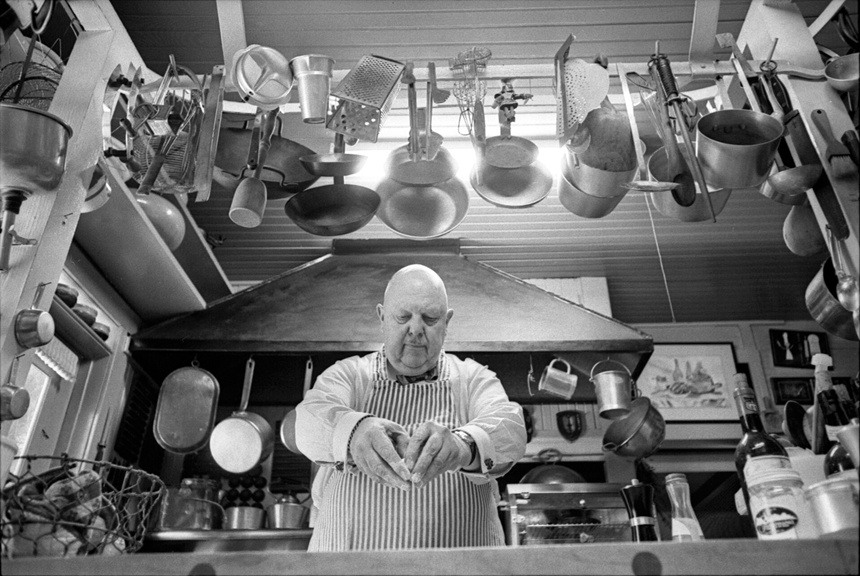
This turn of the century success of Chinese restaurants likely contributed to another culturally significant and enduring effect: the proliferation of Chinese chefs for well-to-do families and prominent Americans. No such chef had more of an influence on American cooking and culinary history than did Jue-Let, the business partner and personal chef for Elizabeth Beard, the mother of James Beard. “I was brought up by the Chinese,” Beard later noted in recordings released posthumously, and his godfather Jue-Let’s legacy remained with the iconic chef and food critic (for whom the prestigious awards are named) for the rest of his life.
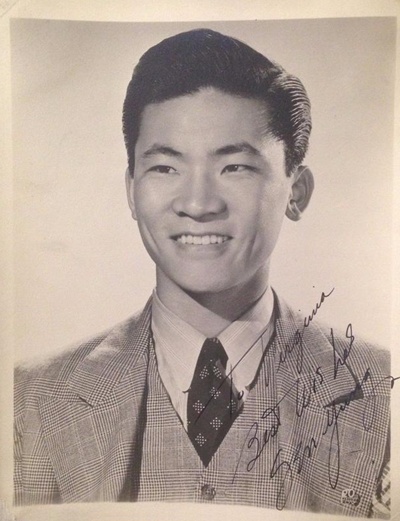
And some of the most famous Chinese American characters in 20th century popular culture were defined by this culinary role, from Lee in John Steinbeck’s novel East of Eden to Hop Sing, actor Victor Sen Yung’s cook and housekeeper on the long-running Western TV show Bonanza.
Chinese restaurants and food haven’t been immune from the anti-Asian racism that has reemerged in multiple moments over the last half-century of American history: from longstanding, bigoted nonsense about “cooking cats” in restaurant kitchens; to the exaggerated and racist health concerns that triggered the 1960s-’70s “MSG panic”; to the ubiquitous prejudices and attacks that defined the Covid era. But none of those narratives have done anything to dislodge the Chinese restaurant from its prominent place in the American culinary landscape — a spot that was only cemented with the rise of take-out and delivery as favorite options for city dwellers (and eventually all Americans), with the iconic Chinese restaurant square white box becoming a defining symbol of that more recent dining innovation.
We’ll have to find another Chinese restaurant for our own dining options — and just this week our favorite Indian restaurant in town announced its closure as well, so that’ll be a frustratingly multilayered quest. But our lasting love for these two excellent eateries reminds us of the diverse feast that is and always has been America’s cross-cultural cuisine — and for that I’m very thankful.
Become a Saturday Evening Post member and enjoy unlimited access. Subscribe now