
Considering History: The Troubling Story of Scalp Bounties
A powerful new film models how museums can engage our hardest histories.
A powerful new film models how museums can engage our hardest histories.

The histories of the U.S. and Czechia are linked by multiple presidents of both countries.

Across its more than 75 years of history, the Celtics have exemplified some of the best and the worst of professional sports in Boston and America, particularly in the context of race and racism.

This 1969 film offers a compelling context for queer cinema and culture prior to the 1970s.
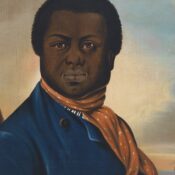
Paul Cuffe was the first Black American to formally meet with a sitting president at the White House, but his contributions to American society reverberate far beyond this brief encounter.

Looking to the past reminds us that our campuses have always been intertwined with issues of protest and free speech.

The late 1950s quiz show scandals have much to tell us about truth, trust, and American history in the mid-20th century.
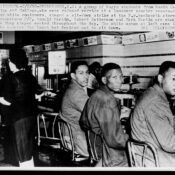
A powerful exhibit of the civil rights movement’s lunch counter sit-ins is an opportunity to truly connect with and understand what our fellow Americans have experienced.

Ben Railton celebrates five Black women chefs who have significantly influenced not just food but all of our culture.

This month, Amache National Historic Site near Granada, Colorado, has officially joined the ranks of America’s national parks. Ben Railton suggests some other national historical parks that commemorate the displacement of American communities.

African American artists have long used satire to call out and challenge frustrating elements of their society.

Many of America’s most prolific and successful authors were women who have been almost entirely lost to our 21st century collective memories.

The 100th anniversary of the exclusionary Immigration Act of 1924 offers an opportunity to remember two other 1924 moments that modeled a more inclusive vision of America.

While Santa Claus did not originate in the U.S., his story was enriched across the writings and illustrations of these 19th century Americans.

The Monroe Doctrine, Édouard Glissant, Henry Clay, and the Organization of American States have all shaped the United States’ relationship with the rest of the Western Hemisphere.

Even amidst one of the most divided and destructive moments in American history, President Abraham Lincoln argued for the value of giving thanks. Here are six inspiring figures from our history who remind us of the best of our community and ideals.